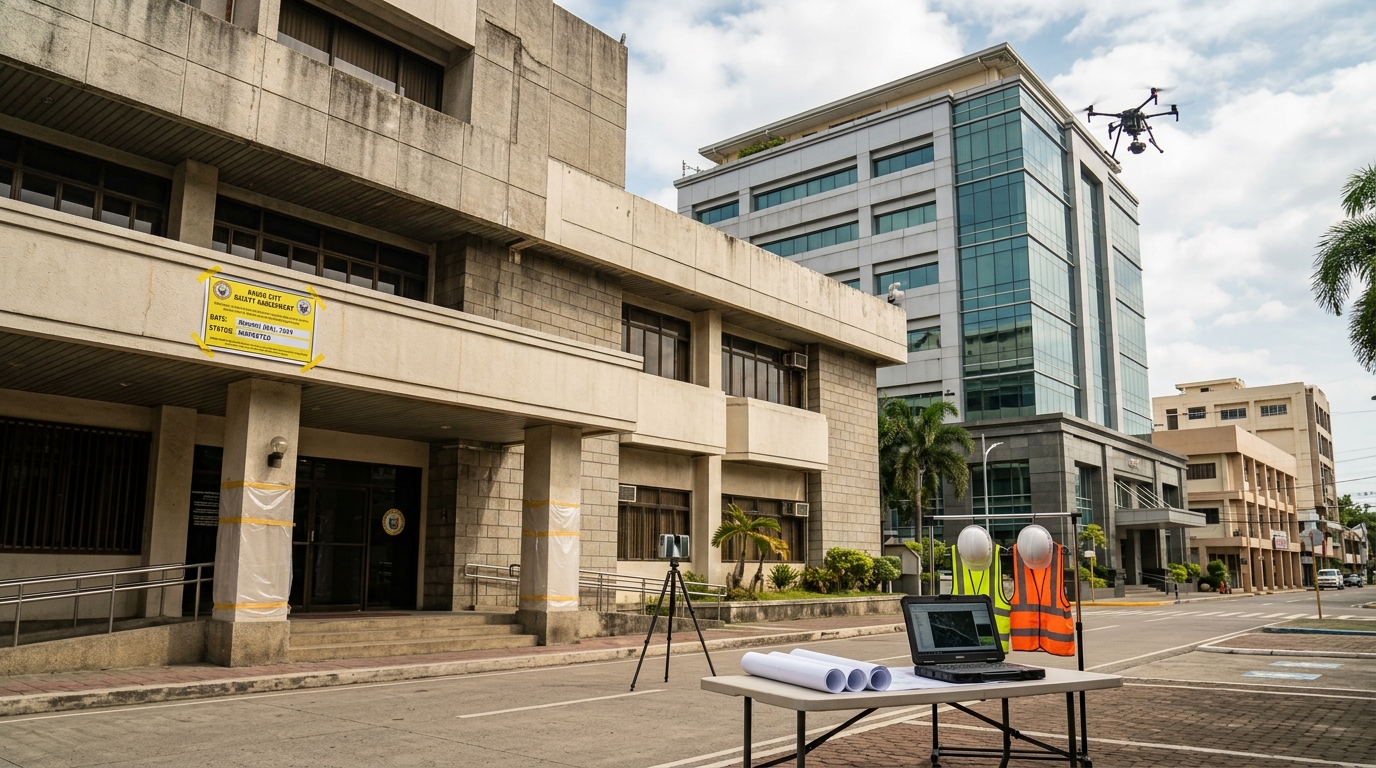
Davao — The City Government of Davao remains focused on the rigorous safety assessment of all public and private structures following the recent seismic activity in the region. The Office of the City Building Official (OCBO) is leading the charge, working alongside disaster management offices to evaluate the integrity of buildings across the city. Property owners have been actively engaged in reporting potential concerns, facilitating a comprehensive overview of the city's built environment. This ongoing process is designed to ensure that the city’s infrastructure is safe and resilient, reflecting a commitment to public welfare and the careful management of urban growth.
Systematic Evaluation of City Infrastructure
The assessment protocol is highly detailed, involving inspections of both residential and commercial buildings to identify any potential damage or risks. By utilizing professional engineers and structural specialists, the city government aims to provide reliable evaluations that give residents and business owners peace of mind. The process is being conducted with a focus on transparency, with building owners encouraged to communicate directly with the OCBO for expert guidance. This methodical approach is vital for maintaining the safety standards that keep the city’s dense urban center functioning securely.
Empowering Property Owners with Data
A key part of the current efforts is the dissemination of clear information regarding building tags and safety statuses. By keeping property owners informed through dedicated channels, the city enables them to take the necessary steps to secure their homes and workplaces if any issues are identified. The government’s proactive communication ensures that the public remains informed about the safety of their daily environments, reducing uncertainty. This collaborative process between the local government and the public is a hallmark of the city’s resilient approach to disaster management.
Commitment to Long-Term Urban Resilience
Looking ahead, the data gathered from these assessments will be instrumental in updating urban planning and structural codes to better handle future events. The city’s dedication to this task shows that long-term safety is a top priority that guides every decision made by local officials. By learning from the recent tremors, the administration is reinforcing its infrastructure foundation and fostering a culture of preparedness. This continuous improvement ensures that the city not only recovers from the recent challenges but also becomes stronger and more prepared for the future.