CEBU CITY — The Cebu Provincial Government led a massive province‑wide tree‑growing campaign from June 24 to 27, 2026, planting 4,200 fruit‑bearing and mangrove seedlings across five local government units. The initiative invited communities, businesses, and even children to dig in, strengthening the island’s natural shield and its appeal as a sustainable travel destination.
A Week of Growing Together
The campaign moved through Tuburan, Talisay City, Naga City, Dalaguete, and San Fernando, each location offering a different piece of Cebu’s ecological puzzle. About 280 volunteers turned out despite the season’s heavy rains, proving that a little mud could not dampen community spirit. The Provincial Environment and Natural Resources Office led the charge, partnering with local environment offices and private firms.
Preparations included careful consultations with permit holders to pinpoint the best sites for planting and rehabilitation. The campaign was guided by Provincial Ordinance No. 2016‑21, which provides the legal backbone for sustained environmental action. Governor Pamela Baricuatro’s administration has made such collaborations a cornerstone of its climate resilience strategy, linking government, business, and civil society.
Fruitful Hillsides for Farmers and Visitors
In Talisay City, the Jaclupan Farmers Association received fruit‑bearing seedlings including guyabano, lanzones, and rambutan for their demonstration farm. Vice President Ponciano Silva pledged his group’s commitment to nurturing the trees, noting that the farmers had previously received tilapia fingerlings from the Capitol. The support cycle builds both food security and agri‑tourism potential.
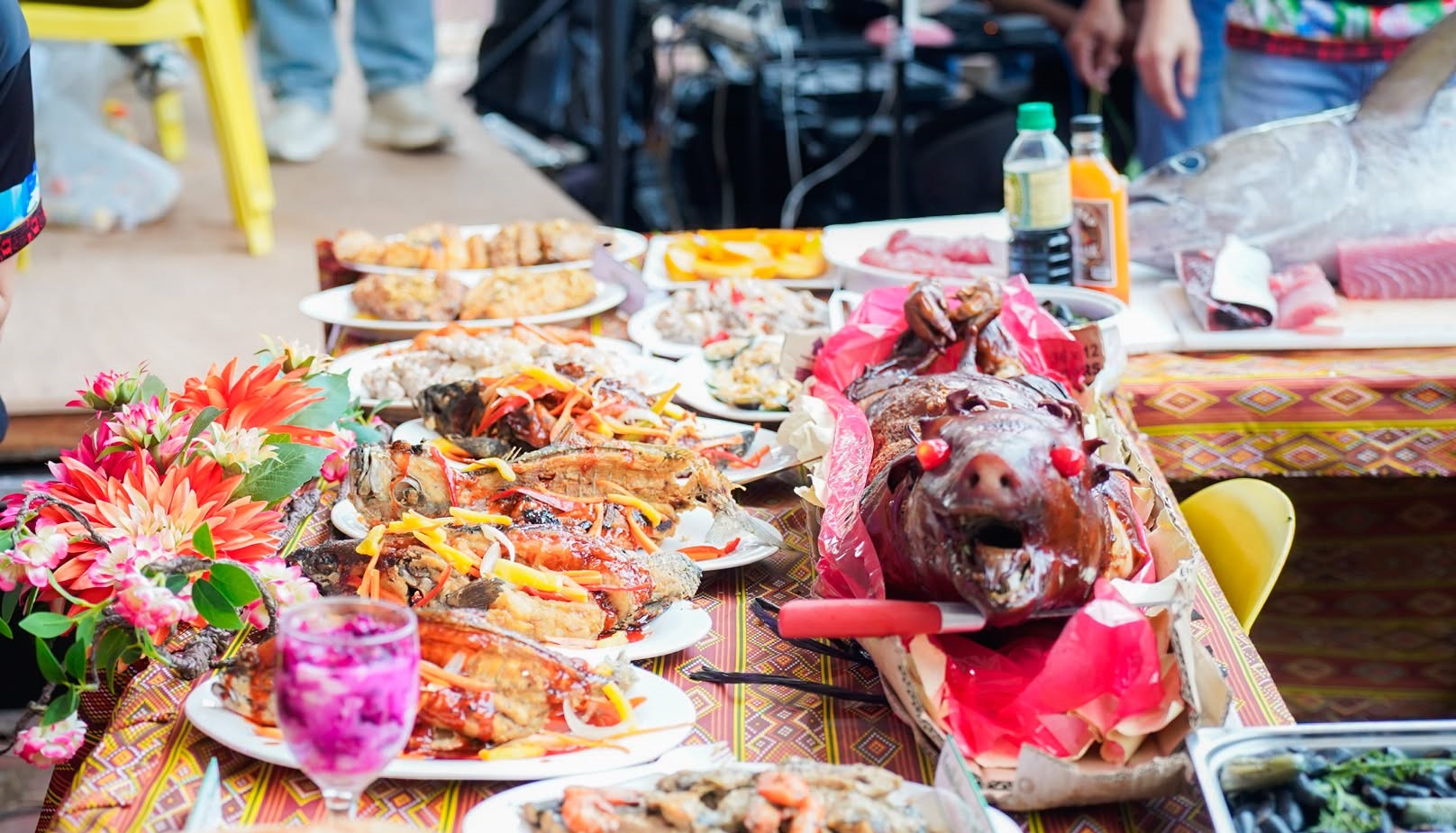
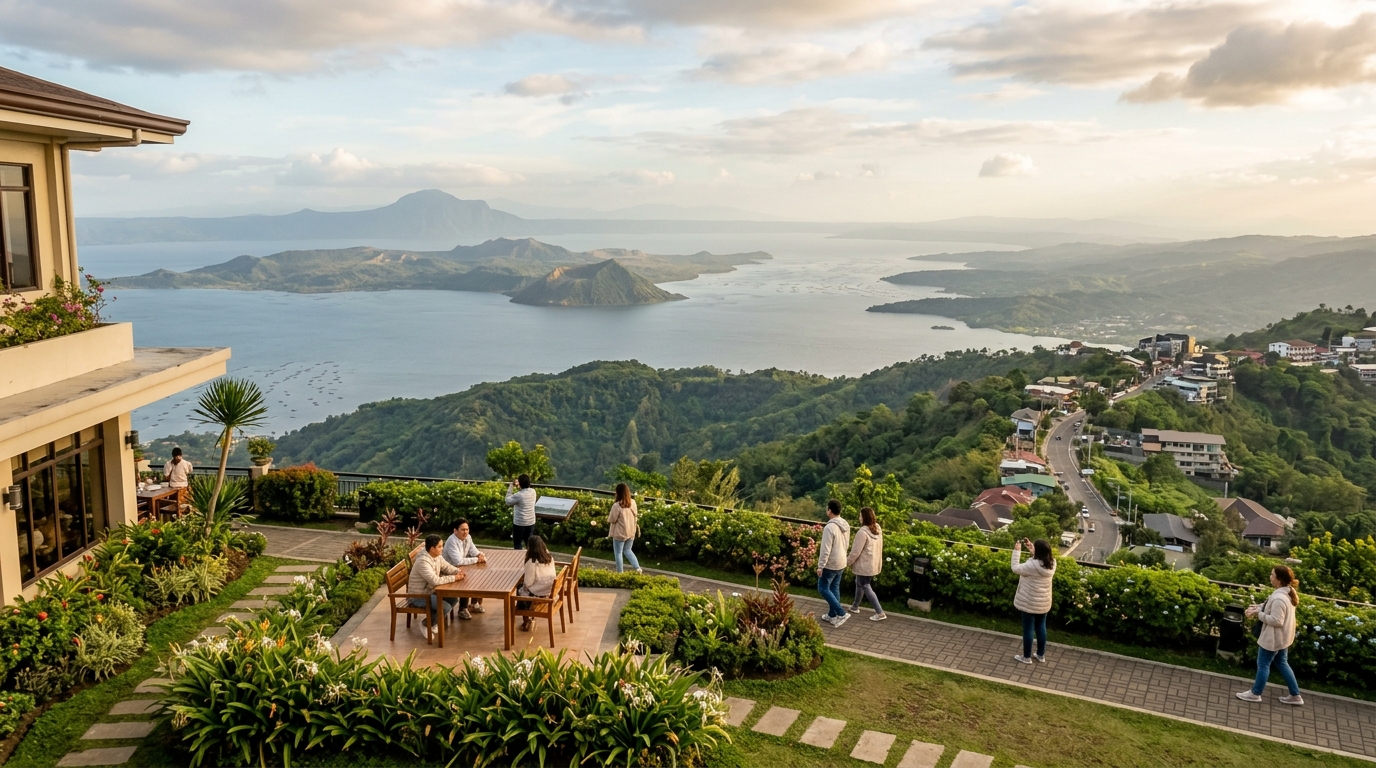
For travelers, these growing orchards promise future farm‑to‑table experiences unique to Cebu’s highlands. The mix of tropical fruits adds another layer to the island’s culinary tourism, which already draws visitors for its lechon and seafood. A hillside dotted with lanzones and rambutan trees becomes not just a food source but a scenic route for eco‑tourists exploring rural Cebu.
Mangroves as Coastal Guardians
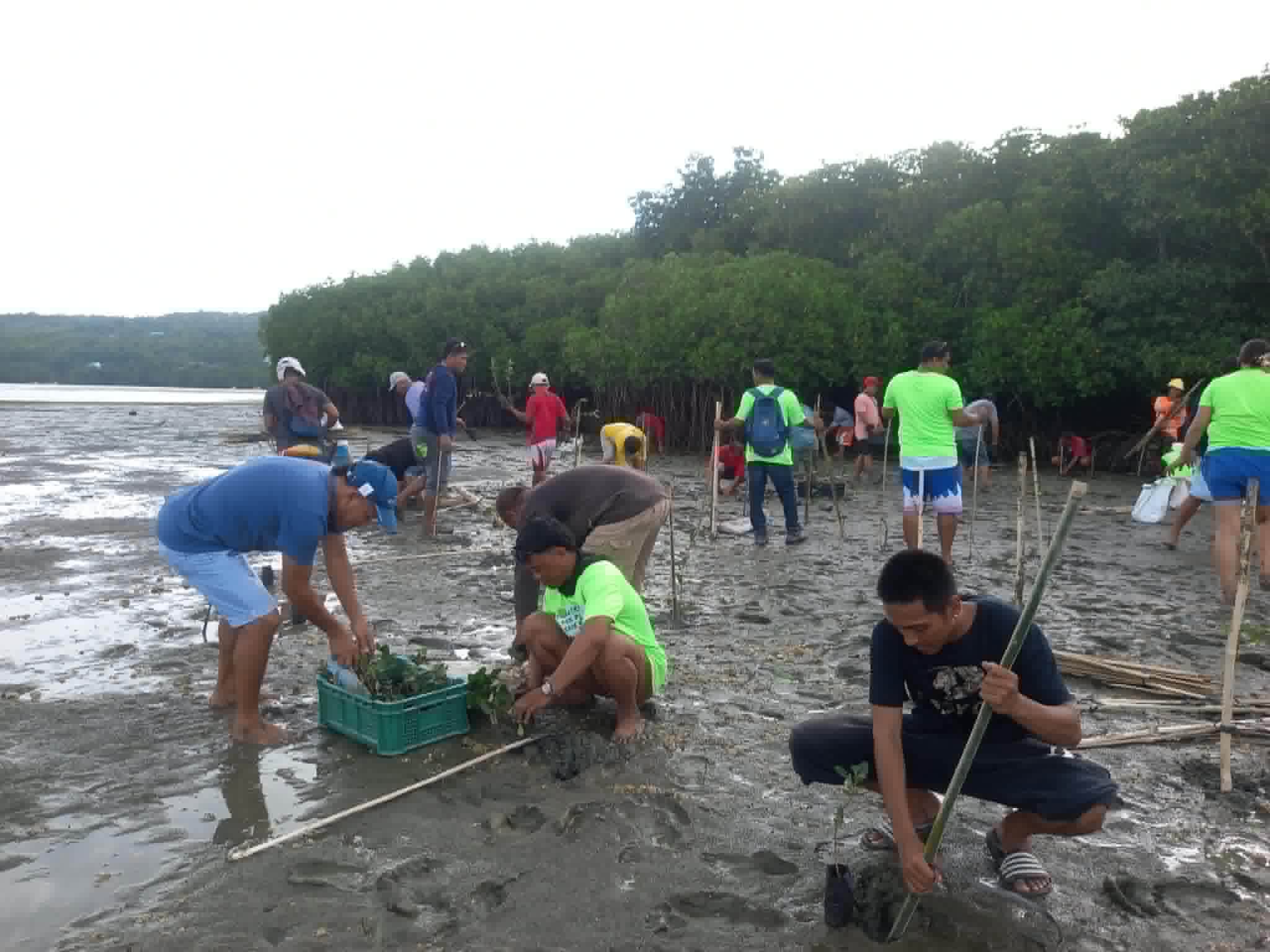
Along the coasts, the story shifted to mangroves. In Barangay Cawayan, Dalaguete, Councilman Felix Villahermosa thanked the province for bringing mangrove rehabilitation directly to his community. He said the trees will shield coastal homes from storm surges and strengthen climate resilience, a message that resonated deeply with residents who live by the sea.
In San Fernando, members of the San Isidro Farmers and Fisherfolks Association planted mangroves in the rain, with some parents bringing their children along. Rowena Fernandez, a person with disability, shared that the mangrove ecosystem provides both food and livelihood for her family. For tourists, thriving mangrove forests mean richer marine biodiversity, better kayaking trails, and healthier reefs for snorkeling and diving.
A Coalition of Public and Private Hands
The campaign drew support from a diverse roster of private partners. Juga Builders, Mabuhay Cement, PREMCO, Nokk Quarrying, Quirante Construction Corp., and Bengcolita Enterprises all contributed manpower and resources. Representatives from the office of Provincial Board Member Julius Anthony Corominas and the Provincial Disaster Risk Reduction and Management Office also joined the efforts.
This blend of corporate responsibility and government action created a model that the Capitol intends to replicate across more municipalities. The long‑term strategy aims to protect ecosystems, reduce disaster risks, and make communities more resilient against climate change. For the tourism sector, these investments in green infrastructure translate into a more beautiful, secure, and welcoming destination.