A City Where Many Stories Meet
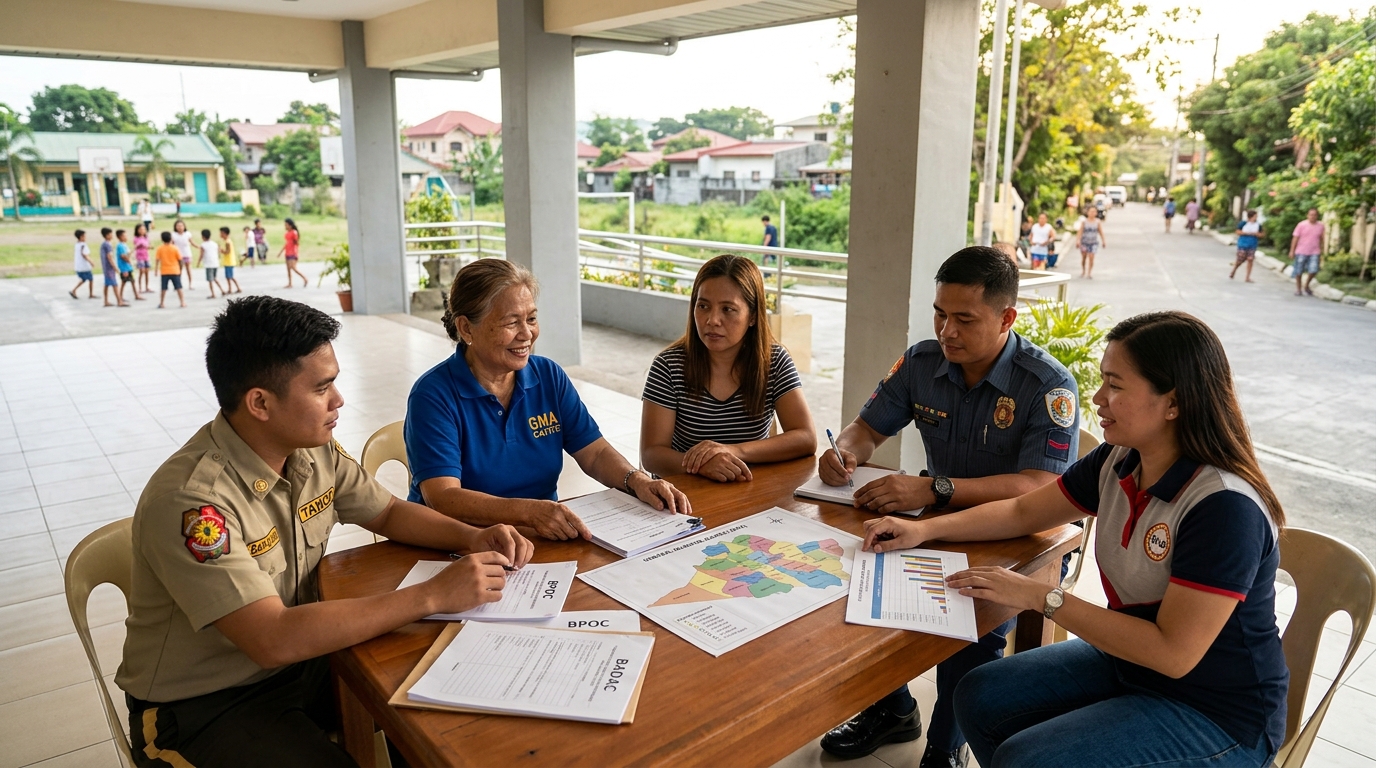
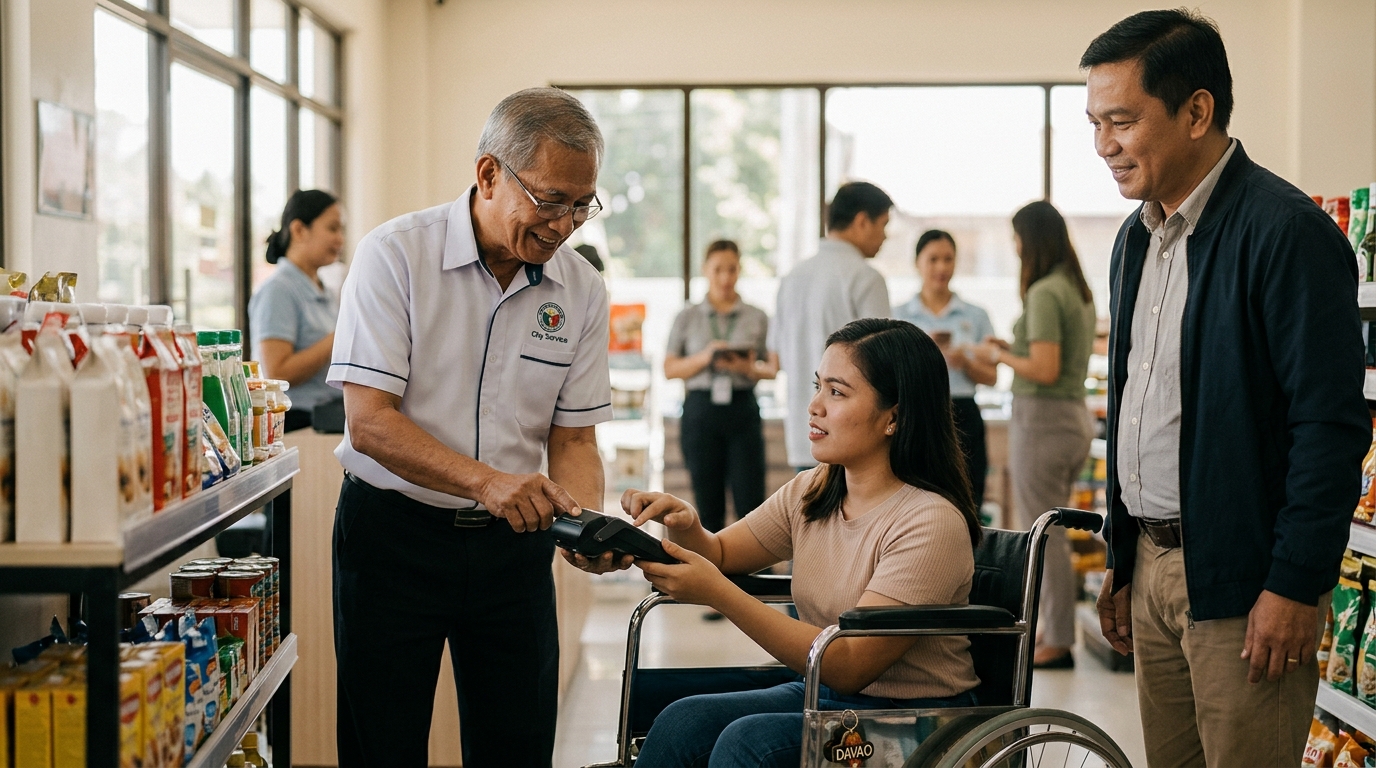
GENERAL SANTOS CITY - Walking through General Santos City reveals more than busy streets and commercial districts. Conversations shift naturally between different languages and dialects, while neighborhoods reflect generations of families with varied cultural backgrounds. Indigenous groups such as the Blaan have long been part of the area's history, while Moro communities and migrants from the Visayas and Luzon have contributed their own customs and traditions. Instead of existing separately, these communities have gradually woven their practices into everyday life, creating a city where diversity is experienced naturally rather than reserved for special occasions or cultural exhibitions.
Traditions That Continue Beyond Festivals
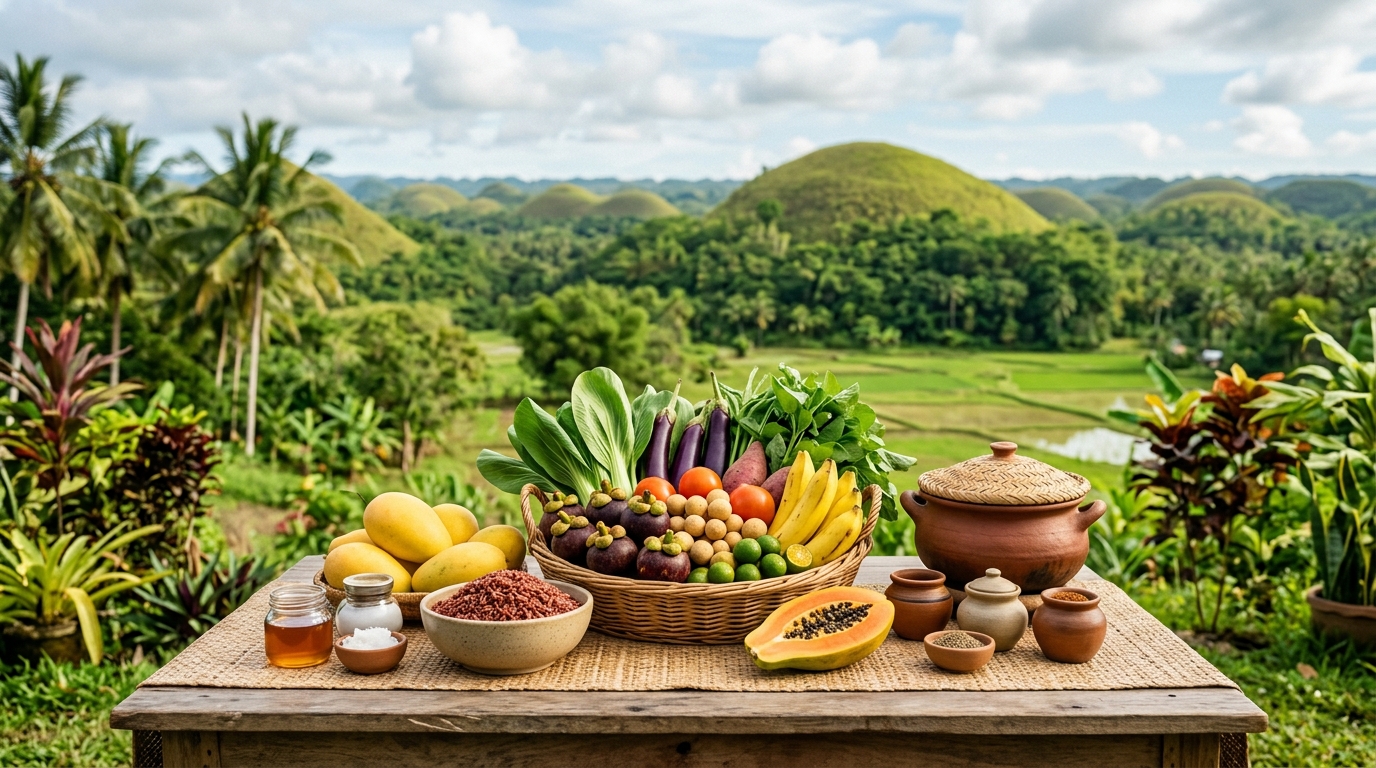
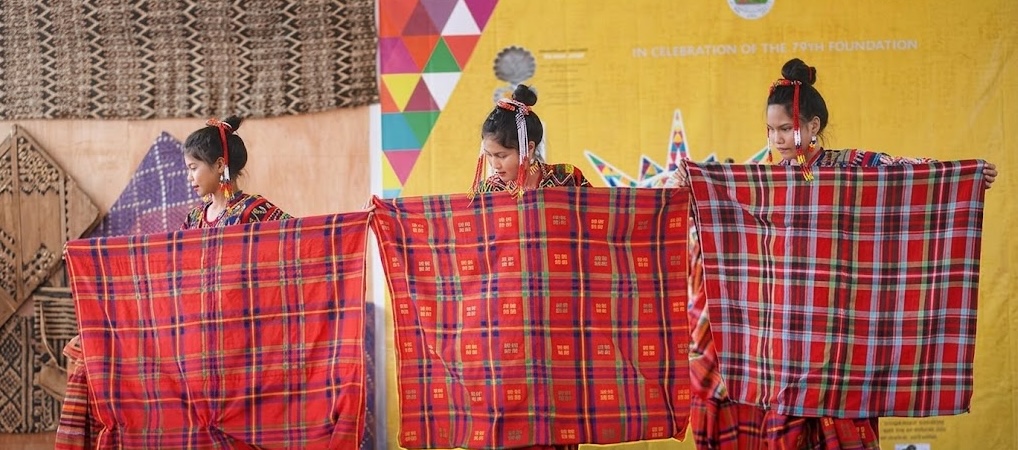
Culture in General Santos is not limited to scheduled events or public performances. It appears in recipes prepared at home, handcrafted items displayed in local markets, family celebrations, and the values passed from one generation to another. Traditional weaving, music, storytelling, and indigenous craftsmanship remain important expressions of identity for many communities. At the same time, shared schools, workplaces, and public spaces encourage interaction among people from different backgrounds. This steady exchange has allowed traditions to remain relevant while adapting to the realities of an expanding and increasingly connected urban center.
Understanding the City Through Its People
Visitors often remember General Santos City for its seafood or commercial activity, but its greatest strength lies in the people who have shaped it over time. Every community has contributed knowledge, skills, and traditions that continue to influence local cuisine, entrepreneurship, education, and neighborhood life. Appreciating these contributions encourages a more meaningful way of experiencing the city—one that goes beyond sightseeing and recognizes the stories carried by its residents. In the end, General Santos is best understood not only through its landmarks but through the diverse communities that continue to call it home.