
ILOILO CITY — Three years ago, only three out of every ten Grade 3 learners in Iloilo could read at their grade level. Today, that figure has climbed to 98 percent across 12 pilot municipalities, a turnaround so dramatic that the Second Congressional Commission on Education (EDCOM II) is now pushing to replicate the model nationwide. The program, a partnership between the provincial government, the Synergeia Foundation, and the Department of Education, has drawn praise from Education Secretary Sonny Angara and Sen. Bam Aquino as a scalable solution to the country’s reading crisis.
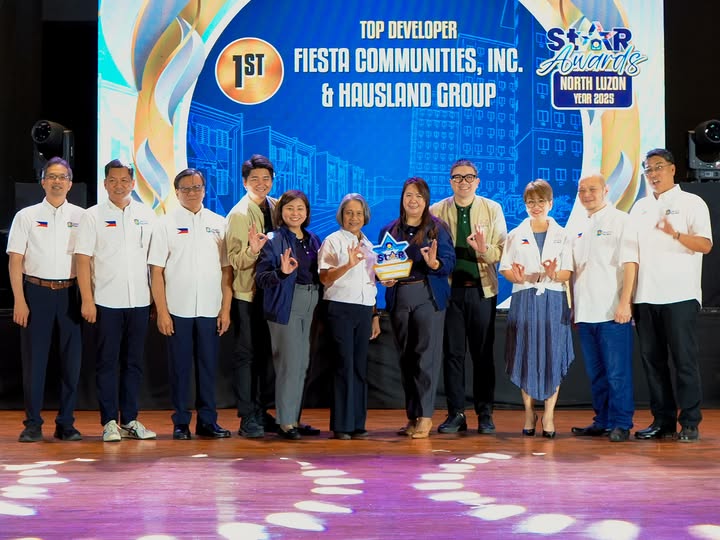
Governor Arthur Defensor Jr. presented the results at the 2026 W. SyCip National Education Summit in February, where several Iloilo municipalities also received national education awards. “We treat education as a core responsibility and function, notwithstanding that it is not a devolved function,” Defensor said. By March, nine more municipalities had signed agreements to adopt the program, with the province aiming to cover all 43 local government units.
Five Reforms That Changed the Classroom
The program’s architecture rests on five systemic shifts. First, the province transformed local chief executives into “education mayors” who viewed literacy as their core mandate rather than merely financing school buildings. Second, it restructured local school boards to include students, NGOs, and businesses in policy planning. Third, the province held regular public summits where communities could weigh in on education outcomes.
Fourth, mayors were given access to real‑time reading proficiency data, allowing them to track whether their spending was producing results. Fifth, the province tapped its own best teachers and parents to develop training manuals and deliver one‑on‑one tutoring rather than relying on outside consultants. “Sa problemang ito we need to engage the whole community,” Defensor said. “We did this together with the DepEd and the community.”
From 11 Municipalities to a Provincial Movement
Locally known as BES Basa under the Bulig Eskwela sang Probinsya program, the initiative launched across 11 pilot municipalities in 2024, including Guimbal, Igbaras, Leganes, Pavia, Maasin, Cabatuan, Mina, Sara, Lemery, Batad, and Barotac Viejo. Iloilo City was later added, forming the 12 pilot LGUs that achieved the 98 percent proficiency rate. The program funds reading modules written by local teachers, which parents and community volunteers use to tutor children one‑on‑one at school and at home.
In March 2026, nine additional municipalities signed agreements to adopt BES Basa: Banate, Estancia, Ajuy, Bingawan, Badiangan, San Dionisio, Alimodian, Santa Barbara, and Tigbauan. Board Member Jason Gonzales, who chairs the education committee at the Sangguniang Panlalawigan, said they will attempt to cover all municipalities in the province. “It does not infringe on our creativity and innovation. We can build around it,” he said.
A National Model in the Making
During a Senate hearing on March 3, Sen. Aquino said EDCOM II is studying how to bring the model to other local governments. “Mahalaga siguro to really look at this proof of concept and see how we can roll it out kasi nasa crisis level na tayo eh,” he said. He stressed that fixing the reading crisis cannot fall on DepEd alone. “The local chief executives and the national government should be there.”
Education Secretary Angara hailed the province as a model for nationwide reform. “Nakakatuwang makita ang malaking pag‑angat ng literacy sa Iloilo, mula 28 percent naging 90 percent,” he said. He attributed the success to sustained teacher training, strong community involvement, regular monitoring, and accountability mechanisms. The national government is now looking to expand similar initiatives, ensuring more Filipino children learn to read.