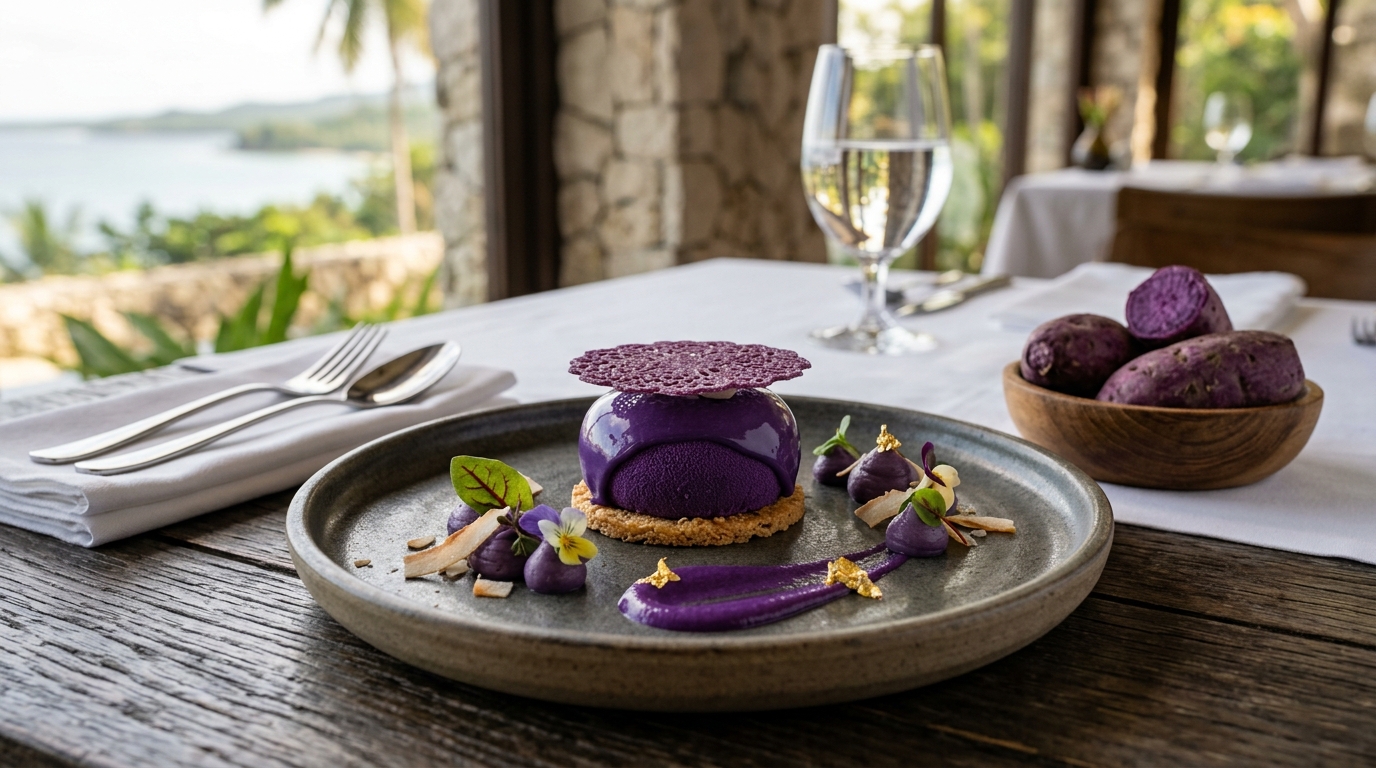
Bohol — The island's premium Kinampay ube is gaining newfound fame beyond the island’s borders, being celebrated by top-tier chefs for its distinct fragrance and sticky texture. On June 28, 2026, culinary experts highlighted the role of this "sacred" tuber in elevating both sweet and savory dishes, even in high-end destination restaurants in Manila and Tagaytay. Chef Rhea Castro SyCip, a former Bohol resident, continues to champion the use of Kinampay in her signature cakes and even in traditional savory recipes like Nilubihang Kagang. This culinary trend reflects the growing appreciation for high-quality, indigenous ingredients that are unique to Bohol’s soil.
The Science of the Sacred Tuber
Kinampay is not just any variety of yam; it is a fragrant, purple-hued treasure that grows exclusively in Dauis and specific areas of Bohol. Its earthy, almost perfume-like aroma when steamed is what makes it highly sought after by pastry chefs who want to create truly unique desserts. Unlike common varieties, Kinampay offers a chewy consistency that is perfect for delicate cakes and pastries, making it a favorite for those aiming to provide a premium dining experience. The labor-intensive nature of its cultivation makes it a rare and highly valued commodity in the culinary world.
Reinventing Traditional Savory Dishes
While most people associate ube with sweets, the Boholano tradition of using it in savory dishes like Nilubihang Kagang (a crab-based stew) is an eye-opening revelation for many food critics. This dish, which pairs the sweetness of the ube with the savory richness of coconut and fresh crabs, represents the innovative spirit of Boholano cooking. Chefs who discovered this recipe while living on the island are now bringing these flavors to a national audience, bridging the gap between humble provincial recipes and fine dining. It is a testament to the versatility of Bohol’s agricultural heritage.
Preserving Culinary Heritage through Commerce
The rise in demand for Kinampay is helping to preserve the traditional farming practices that keep this specific variety alive. By using such high-value ingredients in their menus, restaurants are creating a sustainable demand that encourages local farmers in Dauis to continue their work. As diners become more curious about the origins of their food, the story of Bohol’s ube serves as a powerful connection between the island and the global table. It turns every bite of these dishes into an experience that honors the history and culture of the Boholano people.