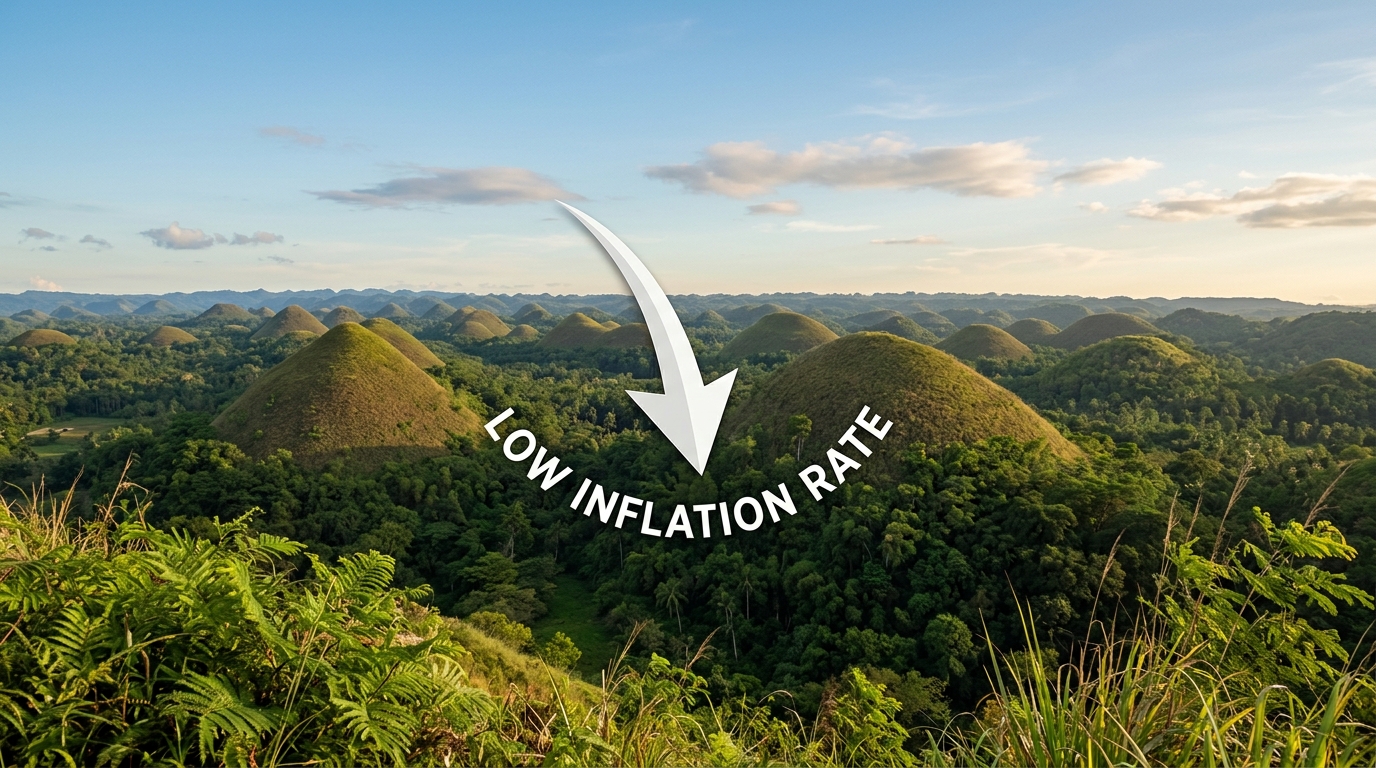
A comprehensive economic report presented by the Philippine Statistics Authority (PSA) has revealed a remarkable financial trend, establishing Bohol as a stable haven against regional inflation. While consumer prices across the wider Central Visayas accelerated sharply to 10.8 percent in April due to expensive imported food and fuel costs, Bohol maintained the lowest inflation rate in the region. Presented by PSA Regional Director Wilma Perante during an analytical briefing, the data proves that the island’s local food networks have successfully insulated everyday consumer baskets from external market shockwaves. This steady pricing environment provides immediate relief to working-class families navigating a tough national economy.
How Local Food Independence Shakes Off Global Price Spikes
The island’s ability to resist the severe price inflation affecting neighboring provinces stems from its strong agricultural foundations and direct farm-to-market trade loops. Because local public markets buy their vegetables, rice, and meat directly from interior farming cooperatives, they avoid the heavy shipping fees that drive up food costs on other islands. This close-knit distribution model ensures that neighborhood grocery stores and public dining markets can keep their daily retail prices stable for consumers. Agriculture experts note that supporting smallholder farms creates a powerful economic shield that protects local dining tables when international supply chains break down. It proves that food self-reliance is the best defense against global inflation.
Protecting the Everyday Consumer from Housing and Utility Hikes
The stable inflation metrics also reflect the success of local regulatory boards in managing real estate fees and basic utility costs across the urban districts. By monitoring rental adjustments and freezing unnecessary service add-ons, local councils prevent speculative real estate bubbles from pricing regular workers out of their own neighborhoods. This price discipline helps small tourism businesses, transport operators, and retail workers maintain their standard of living without demanding sudden wage increases that could cause further market instability. The balanced real estate landscape demonstrates that smart local monitoring can successfully keep a city liveable during regional economic crises. It provides a solid blueprint for sustainable urban management.
Building Long-Term Appeal for Value-Conscious Travelers
Maintaining a low cost of living gives the province a distinct competitive advantage in attracting domestic vacationers and budget-conscious lifestyle travelers. When local restaurants, transport services, and boutique homestays remain reasonably priced, visitors stay longer and spend more money directly within the community. This steady flow of travel revenue helps small, family-owned businesses expand their operations safely without relying on expensive bank financing. The province's economic planners are using this period of price stability to design long-term development strategies that prioritize community welfare over rapid, unregulated commercial growth. Bohol continues to demonstrate that economic resilience is built from the ground up.