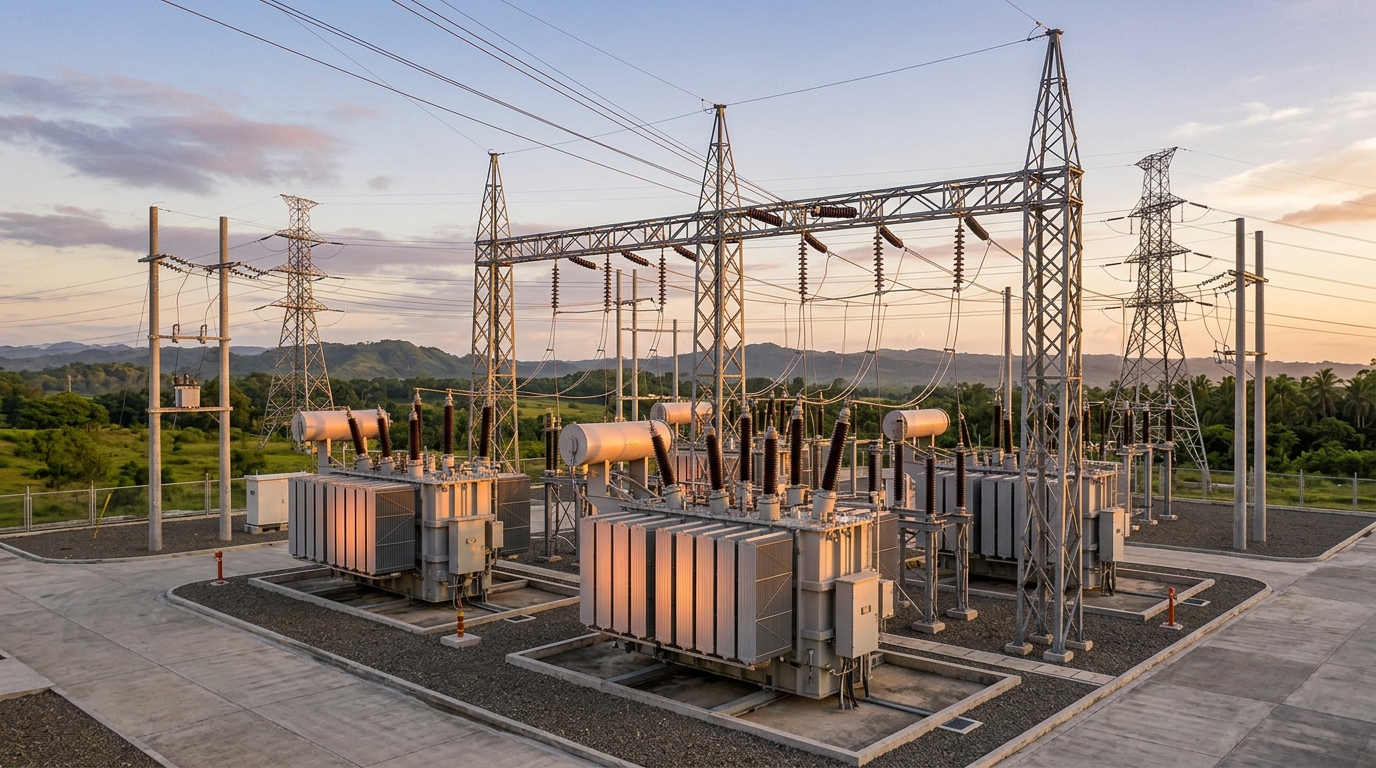
Bohol — The National Grid Corporation of the Philippines has been working to stabilize the Visayas grid following a series of forced outages affecting power plants across the region. As of late June 2026, the Bohol Diesel Power Plant has been navigating operational contingencies that necessitated adjustments to the regional grid’s capacity. These challenges are being met with proactive management to ensure that households and businesses across the island maintain a consistent energy supply. The coordination between grid operators and local power providers remains a critical focus as the region works to maintain a stable operating margin during periods of peak demand.
Managing Energy Contingencies
The recent adjustments to the Visayas power grid were prompted by the forced outage of several major power units, including those within the Bohol Diesel Power Plant. Such events trigger alerts designed to alert stakeholders to the need for careful energy distribution during high-demand hours. By reallocating available capacity and optimizing the performance of active plants, grid managers are working to bridge the gap and meet the contingency requirements. This technical oversight is crucial for minimizing the risk of supply interruptions for the island’s residents and commercial centers.
Collaborative Grid Maintenance
Maintaining a reliable energy flow involves constant communication between the regional grid operator and the individual facilities that generate electricity. When multiple plants face outages simultaneously, the entire network must adjust its load to prevent larger-scale instability. These efforts are part of a larger, ongoing maintenance strategy intended to modernize the regional energy backbone and reduce the frequency of forced shutdowns. The goal is to build a more resilient energy infrastructure that can better withstand the fluctuations caused by aging plants or seasonal environmental stressors.
Ensuring Reliability for Growth
Reliable energy is the fundamental prerequisite for the continued expansion of the island’s tourism and real estate sectors. Every effort to stabilize the power grid serves as a silent support to the hospitality industry, which relies on consistent electricity for its resorts, MICE facilities, and guest services. As the island continues to attract more international travelers and investors, the importance of this behind-the-scenes grid management cannot be overstated. By successfully navigating these supply constraints, the region ensures that its development momentum is not hindered by infrastructure volatility.