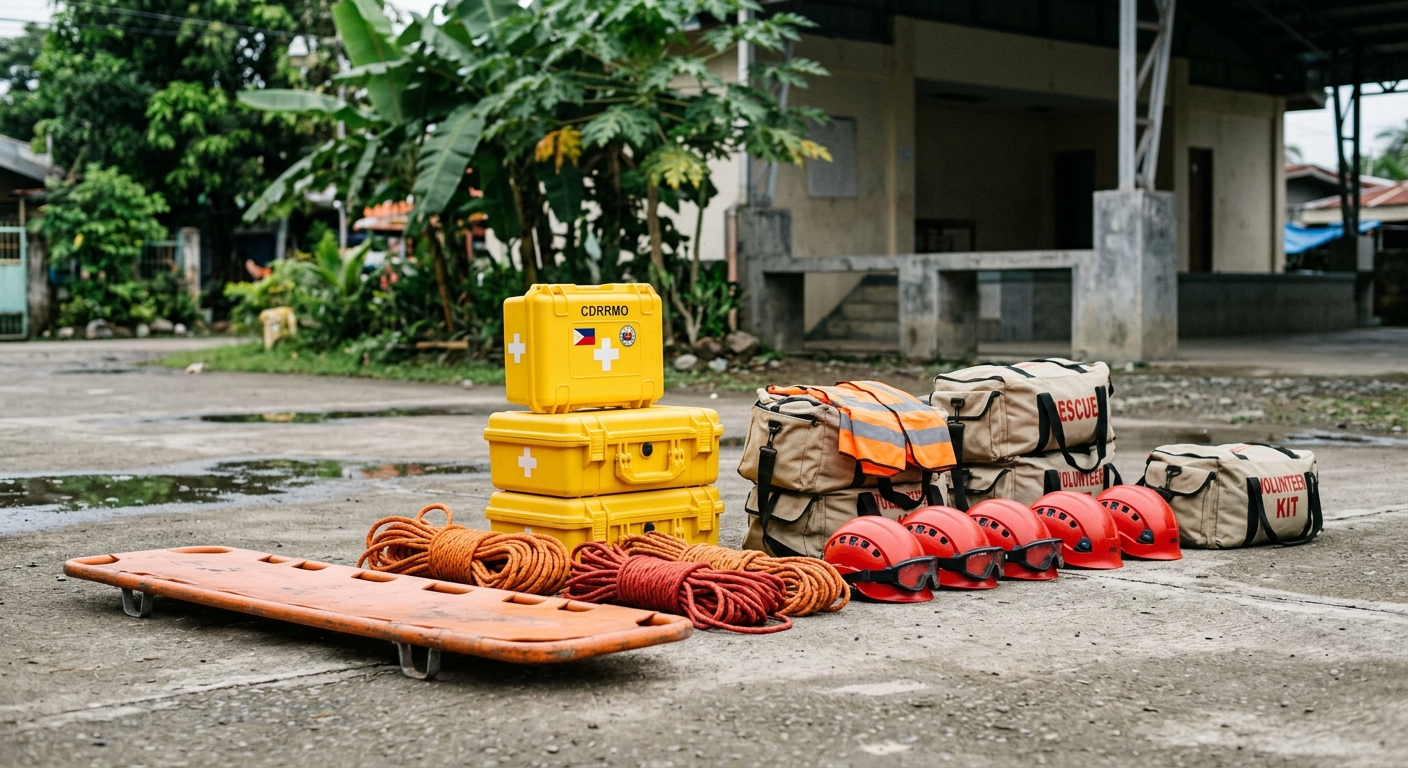
Davao — As July approaches, the Davao City Disaster Risk Reduction and Management Office (CDRRMO) is shifting its focus toward a more localized approach to emergency preparedness. By organizing training programs specifically for purok (neighborhood) disaster volunteers, the city aims to create a rapid-response network that can provide immediate assistance during unforeseen events. This initiative is designed to complement existing barangay-level committees by placing trained individuals directly on the ground where they are needed most. The city government emphasizes that these volunteers are the key to building a more proactive culture of safety across all residential sectors.
Empowering the Neighborhood Core
The strategy involves identifying and training residents who are willing to serve as the first point of contact during emergencies. Training modules will cover essential skills like basic first aid and coordination tactics, ensuring that volunteers can function effectively until professional responders arrive. By going down to the purok level, the office acknowledges that local residents are often the most capable of managing initial situational assessments. It is a practical application of the city’s broader goal to decentralize and strengthen emergency services.
Collaborative Planning for July
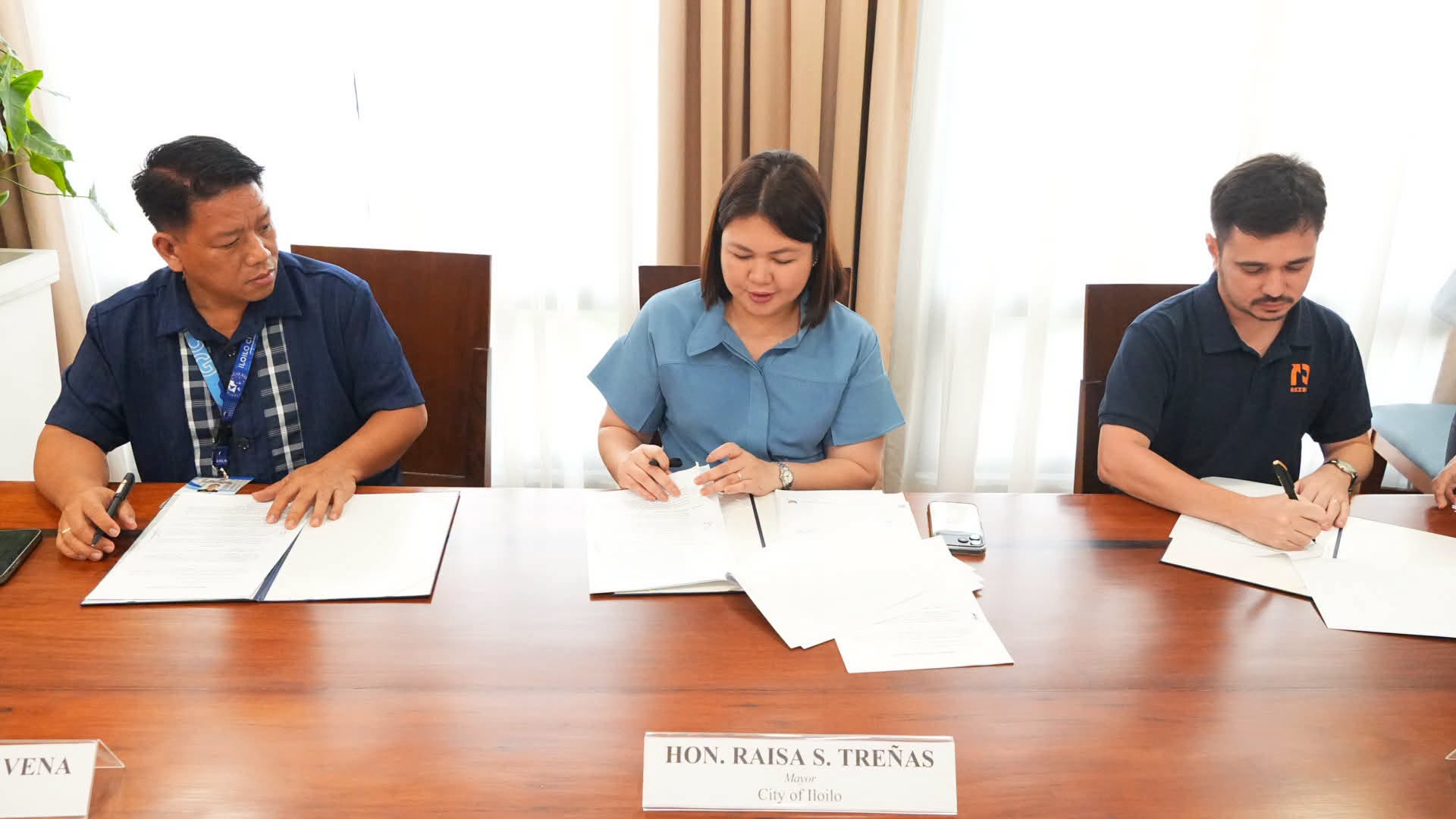
The month-long observation of National Disaster Resilience Month will feature a series of key activities, starting with a town hall meeting involving barangay leaders and local officials. This session will serve as a platform to address concerns and refine the strategies currently in place for managing calamities. Subsequent events include a mobile blood donation drive and a showcase of specialized disaster response vehicles to ensure that the public is aware of the available resources. The focus remains on transparency and coordination, ensuring that all city stakeholders are aligned with established disaster-saving guidelines.
Sustainability in Preparedness
The city’s planning committee has taken care to ensure that these activities remain consistent with energy and fuel-saving mandates. By integrating the training program into the wider calendar of city events, the government effectively highlights the importance of resilience without exceeding resource allocations. As the city moves into the second half of 2026, the focus will remain on refining these local response systems to ensure they remain functional and ready. This commitment to continuous training underscores the city’s goal of creating a safer environment for every household.