
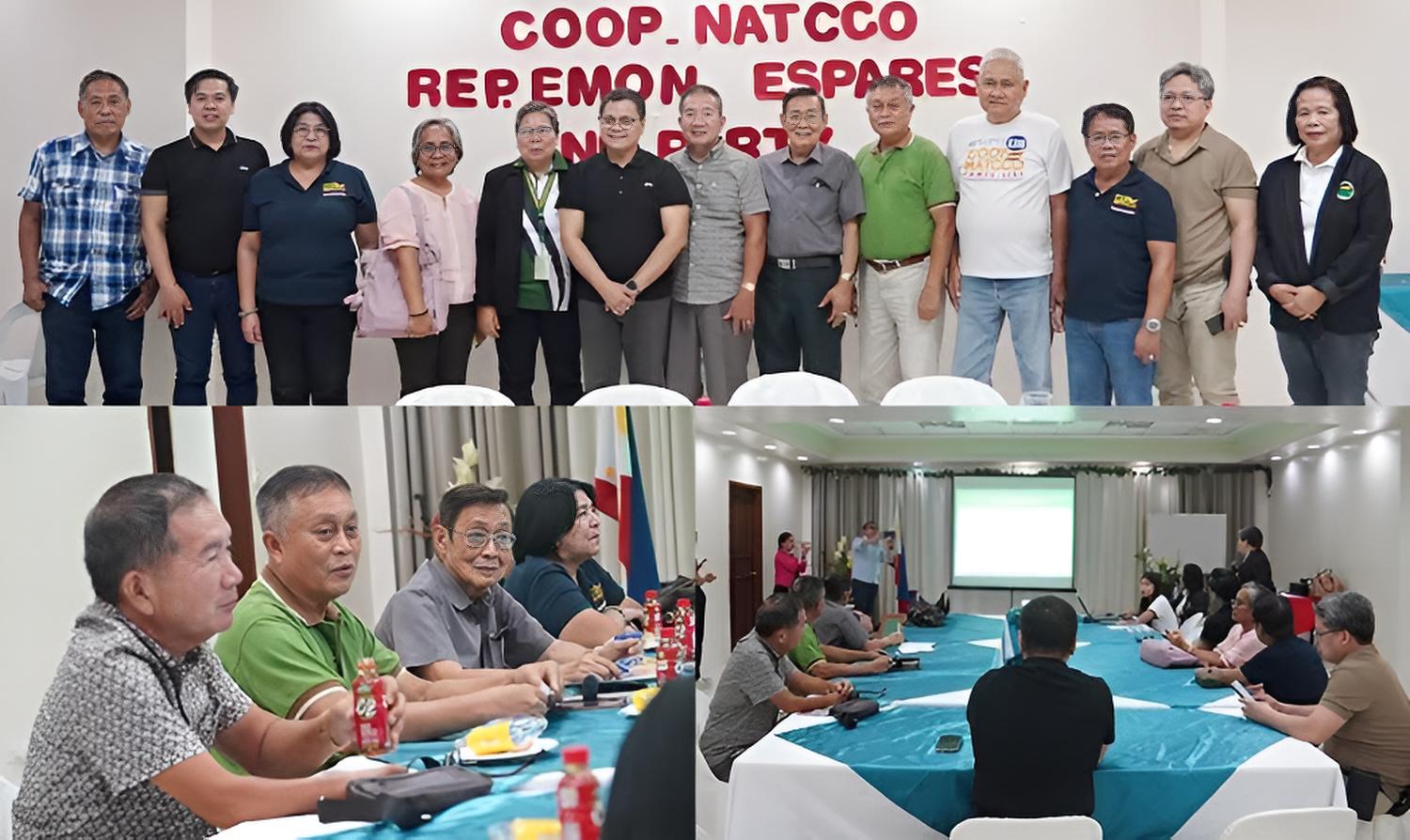
BOHOL — Cooperative leaders across Bohol sat down with Rep. Felimon “Emong” Espares on June 22, 2026, to push for legislative reforms that could reshape their future. The House Committee on Cooperatives Development chairperson visited multiple co‑ops to discuss the proposed Revised Cooperative Code, a bill that promises to modernize the country’s decades‑old framework.
A Nationwide Consultation Reaches Bohol
The Bohol leg of the consultations, facilitated by the Provincial Cooperative Development Office (PCDO) under Ma. Conrada Fuentes, drew cooperatives from transport, agriculture, coconut farming, and employee‑based sectors. Governor Aris Aumentado’s administration threw its full support behind the dialogue. The goal was to ensure that the voices of local co‑ops are embedded in the final version of the law.
Rep. Espares updated the gathering on House Bill No. 9584, which has already been approved on second reading and is poised for a third‑reading vote before transmission to the Senate. He assured the attendees that the bill is a top priority for the House and that their input would be carried into the final deliberations.
Proposed Reforms to Modernize Cooperatives
The proposed Revised Cooperative Code seeks to overhaul the 2008 law in several critical ways. Most notably, it removes the 50‑year operational limit on cooperatives, granting them perpetual existence like regular corporations. This change alone would end the uncertainty of periodic charter renewals and allow long‑term strategic planning.
Another major provision raises the tax‑exemption reserve fund threshold from ₱10 million to ₱100 million. Because the original cap was set in 1990, inflation has pushed many small and medium cooperatives past the old limit, causing them to lose their tax‑exempt status unfairly. The new ceiling would protect their financial viability and allow them to reinvest more in members and communities.
The bill also revamps the Cooperative Education and Training Fund (CETF) remittance system, giving primary cooperatives the option of an 80‑20 split instead of sending all training funds to unions. It additionally permits cooperatives to use reserve funds for capital investments and operational scaling, subject to general assembly approval. These changes are designed to free up idle capital and make cooperatives more agile.
Sector‑Specific Benefits for Farmers and Drivers
Agricultural and coconut cooperatives stand to gain from provisions that allow them to process and market value‑added products directly—such as turning raw coconut meat into commercial oil—rather than being restricted to selling raw produce. This could open new revenue streams for Bohol’s farming communities, which form the backbone of the province’s rural economy.
Transport cooperatives, meanwhile, have lobbied for lower‑interest loan facilities from state financial institutions to modernize their fleets under the public utility vehicle modernization program. The revised code includes language compelling banks like LandBank to provide such financing, easing the burden on drivers and operators who are often the first to feel the pinch of rising fuel and maintenance costs.
Local Cooperatives Voice Concerns
During the consultations, cooperative leaders presented their organizational profiles, financial performance, and key operational challenges. They raised regulatory bottlenecks and sustainability concerns, which Rep. Espares addressed directly. The interactive format allowed representatives from the Bohol Transport Cooperative, Alburquerque SCFO MPC, and Bohol Diocesan MPC, among others, to engage the lawmaker on issues specific to their sectors.
The presence of top officials from COOP‑NATCCO, including its national treasurer and regional coordinator, underscored the importance of the Bohol visit. These leaders noted that cooperative development is strongest when national policy aligns with grassroots realities, and they praised the provincial government for its active role in the consultation process.
Capitol Backs Grassroots Economic Empowerment
Governor Aumentado’s administration views cooperative development as a pillar of inclusive economic growth under its Strategic Governance Roadmap. The PCDO continues to provide technical assistance and capacity‑building programs to ensure that cooperatives can fully leverage the upcoming legal reforms. The Capitol’s support aligns with Bohol’s status as a UNESCO Global Geopark, where economic progress must go hand in hand with sustainable and equitable development.
As the Revised Cooperative Code advances through Congress, the Bohol consultations serve as a model for how national legislation can be shaped by the very communities it intends to serve. The event closed with a shared commitment to push the bill forward and unlock the full potential of the province’s cooperative movement.