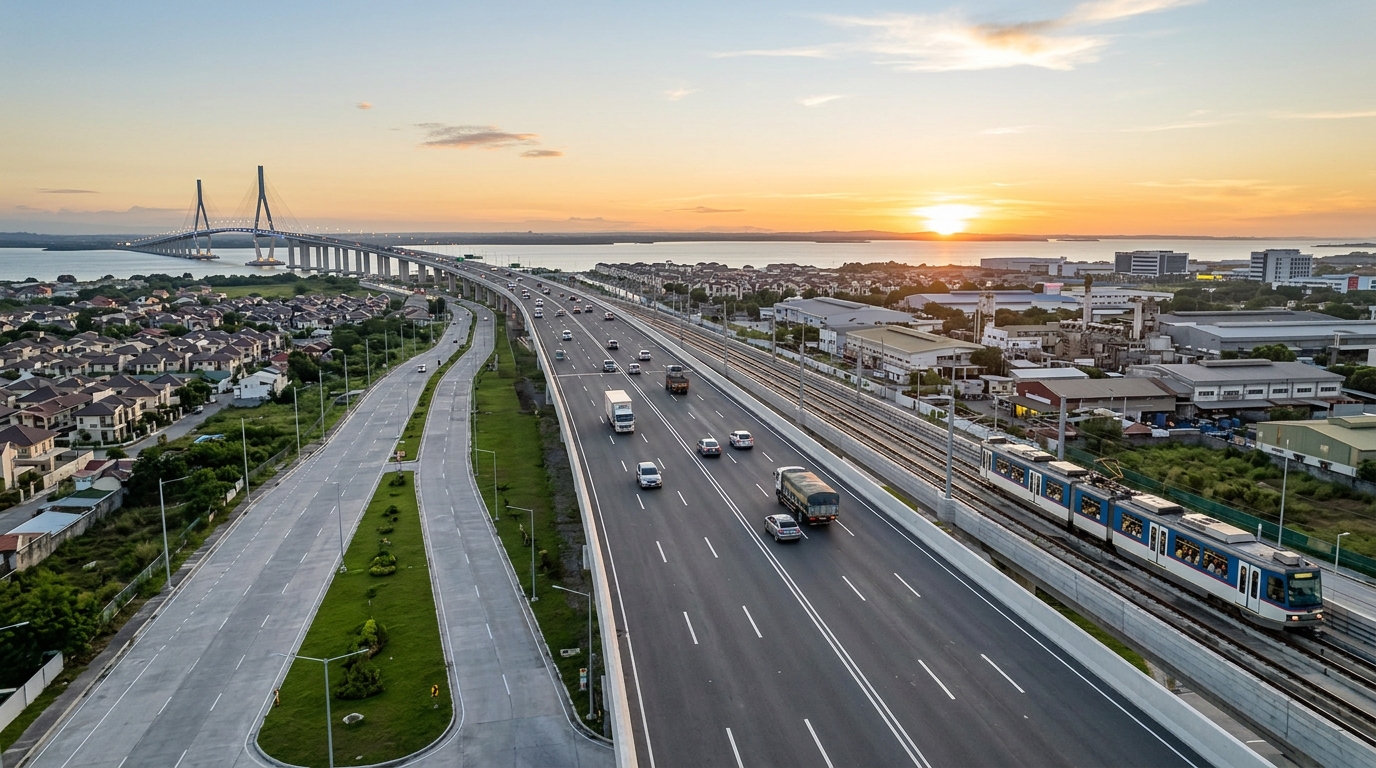
TAGBILARAN CITY, Bohol — The provincial government is advancing a plan to convert 29 provincial roads into national highways, a strategic move designed to unlock national funding and accelerate economic growth across the island. Governor Erico Aristotle Aumentado formally raised the proposal during a meeting with Department of Public Works and Highways Secretary Vince Dizon in Manila on May 5, 2026. The initiative, which has already been endorsed by the Sangguniang Panlalawigan, covers strategic routes spanning all three congressional districts.
Governor Aumentado emphasized that the conversion would directly ease the province's financial burden. "Our meeting with DPWH Secretary Vince Dizon here in Manila was productive, where we pushed for the conversion of several provincial roads in Bohol into national roads," he said. By shifting responsibility for improvement, rehabilitation, and maintenance to the national government, the province can reallocate substantial funds currently locked into road maintenance toward other critical programs like health, education, and social services. This fiscal flexibility is central to the proposal's economic rationale.
Unlocking National Funds, Freeing Local Budgets
Once classified as national roads, these routes become eligible for DPWH funding. Governor Aumentado explained, "Kung mahimo na kining national roads, makagahin ang nasudnong pangagamhanan, pinaagi sa DPWH, og pondo alang sa pagpa-improve niini nga mga kadalanan, lakip na pag-mintinar niini." The financial implications are significant. Road maintenance consumes a large portion of the provincial budget. The proposed conversion would release millions of pesos annually, money that could be reinvested into livelihood programs, healthcare, and educational infrastructure.
This strategy aligns with President Ferdinand R. Marcos Jr.'s directive to accelerate infrastructure development nationwide. DPWH Secretary Dizon has been fast-tracking delayed and stalled projects and emphasizing quality and timeliness. The national government has the capacity to allocate funds for these roads, and their improved condition will reduce vehicle operating costs, facilitate smoother transport of goods, and enhance overall economic productivity across all 47 towns and one city of Bohol.
Boosting Tourism and Local Commerce
The 29 roads are not just local connectors; many serve as vital arteries for Bohol's tourism and agriculture sectors. Area 1 includes roads linking Corella, Balilihan, Baclayon, and Loon, connecting key interior towns to the provincial capital. Area 2 covers road networks linking San Miguel, Ubay, Danao, Inabanga, and Pres. Carlos P. Garcia, including access roads to ports and wharves essential for inter-island trade and the movement of agricultural products like rice and fish.
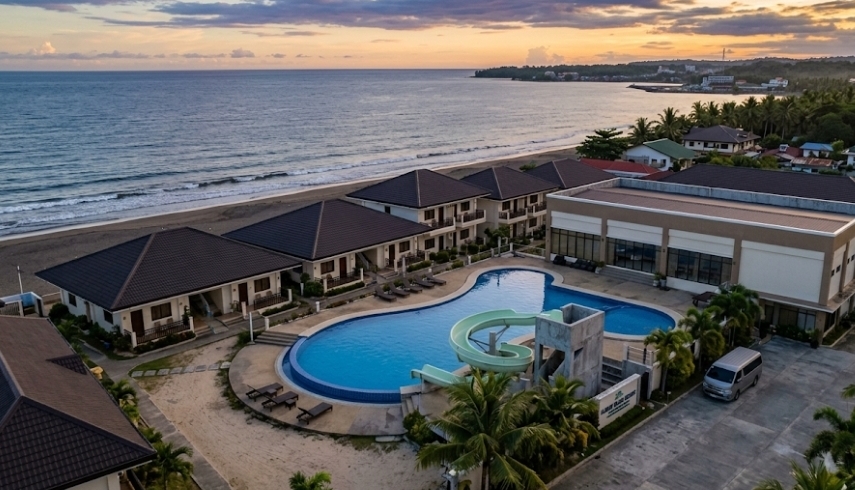
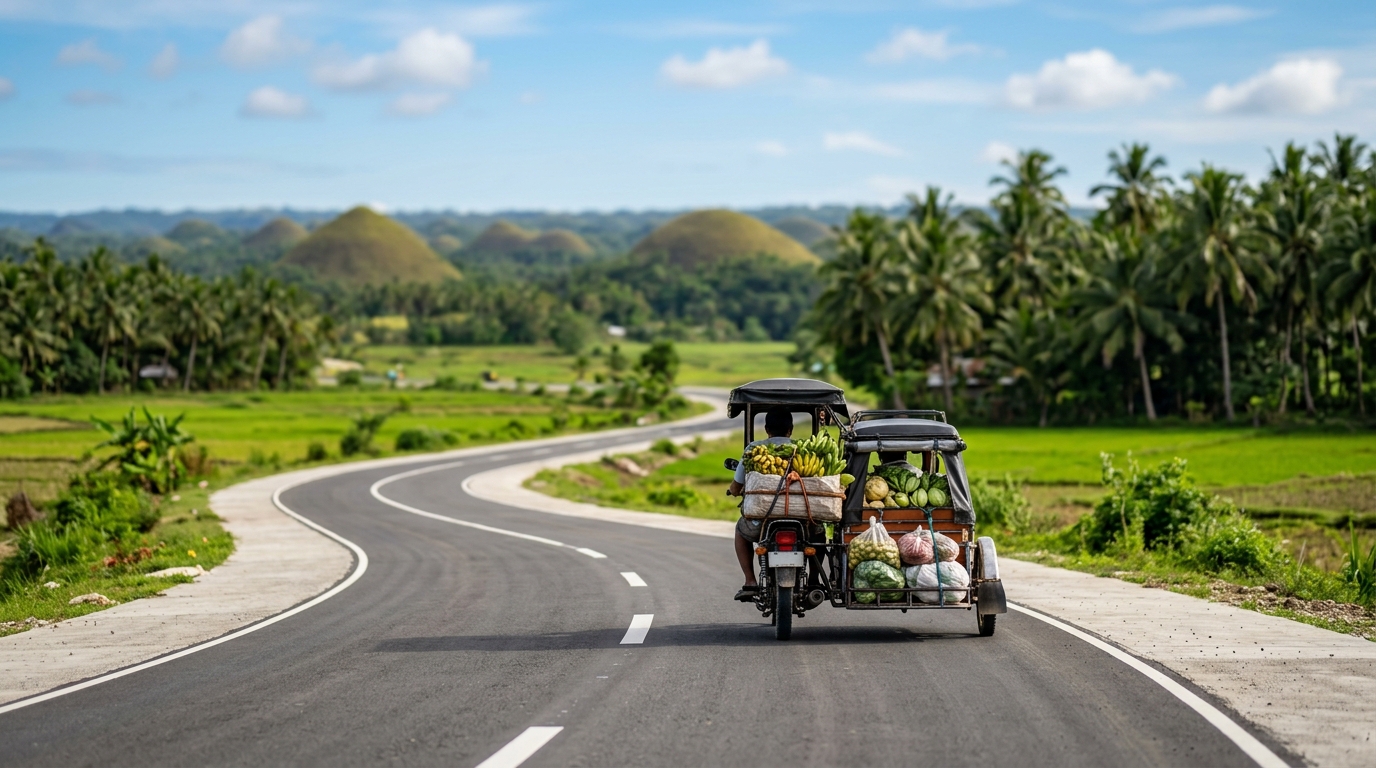
Area 3 includes routes connecting Loboc, Sevilla, Candijay, and Anda, which are critical for transporting tourists to the Chocolate Hills, tarsier sanctuaries, and beach destinations. Improved road conditions directly translate to shorter travel times for visitors, boosting the visitor economy. The Bohol Island State University Balilihan Campus, with its over 2,500 students and the planned Sen. Ed Angara Sports Complex, is also served by one of the proposed roads, underscoring the national significance of these corridors. Better roads mean increased commerce, easier access to markets for farmers, and a more seamless experience for tourists, all of which contribute to a more vibrant local economy.
Addressing the Right-of-Way Challenge
The conversion faces a known hurdle. The Corella-Balilihan Road remains stalled by an unresolved right-of-way dispute in Corella, where the LGU has yet to acquire land from private owners along the proposed corridor. DPWH has stated it cannot endorse or approve the nationalization until both the provincial government and Corella LGU comply with right-of-way requirements.
Former Rep. Edgar Chatto had previously submitted justifications citing high traffic volume and the presence of institutions of national significance along the route, but the measure has not moved forward. Officials are coordinating on next steps with provincial and 1st District leadership. For the proposal to succeed, swift action on land acquisition is essential. The province is exploring both legislative routes through Congress and the administrative process under Administrative Order No. 113, which grants the DPWH Secretary the power to declare local roads as national roads. The conversion of all 29 roads would mark a transformative shift in Bohol's infrastructure landscape, catalyzing broad-based economic growth for years to come.