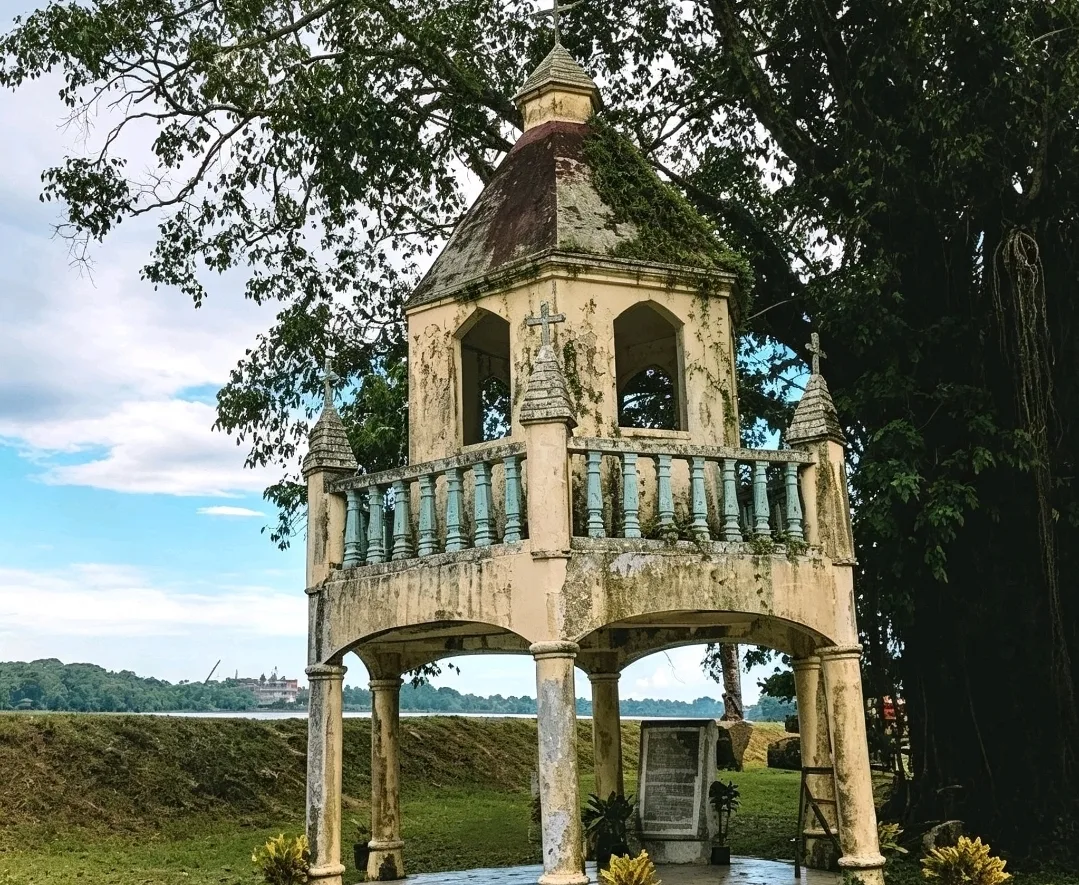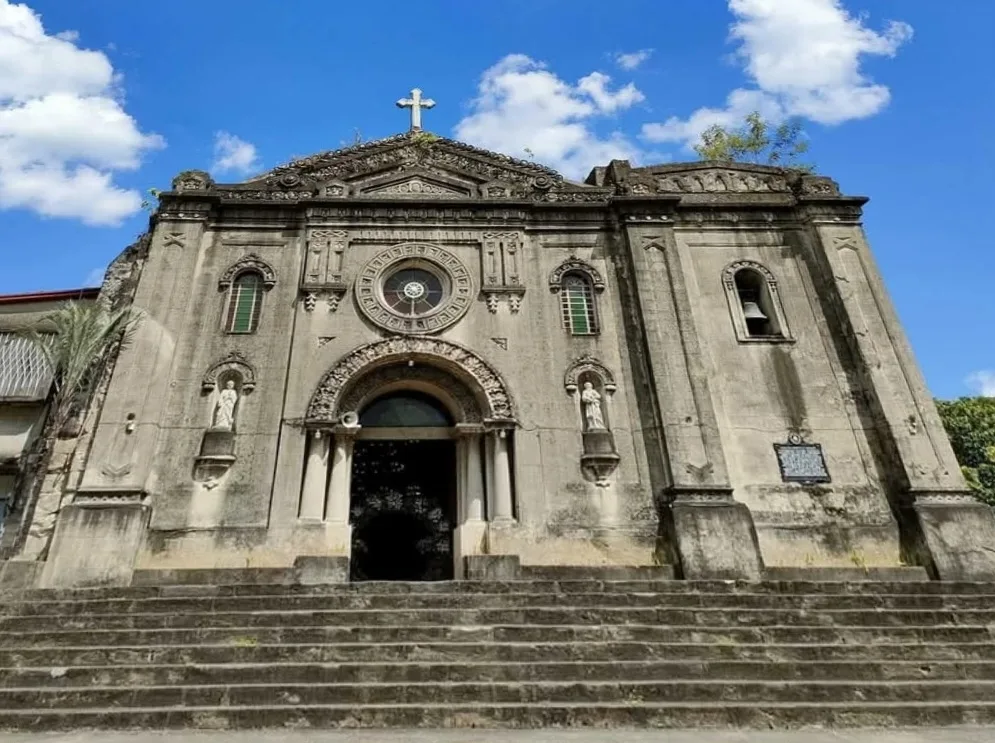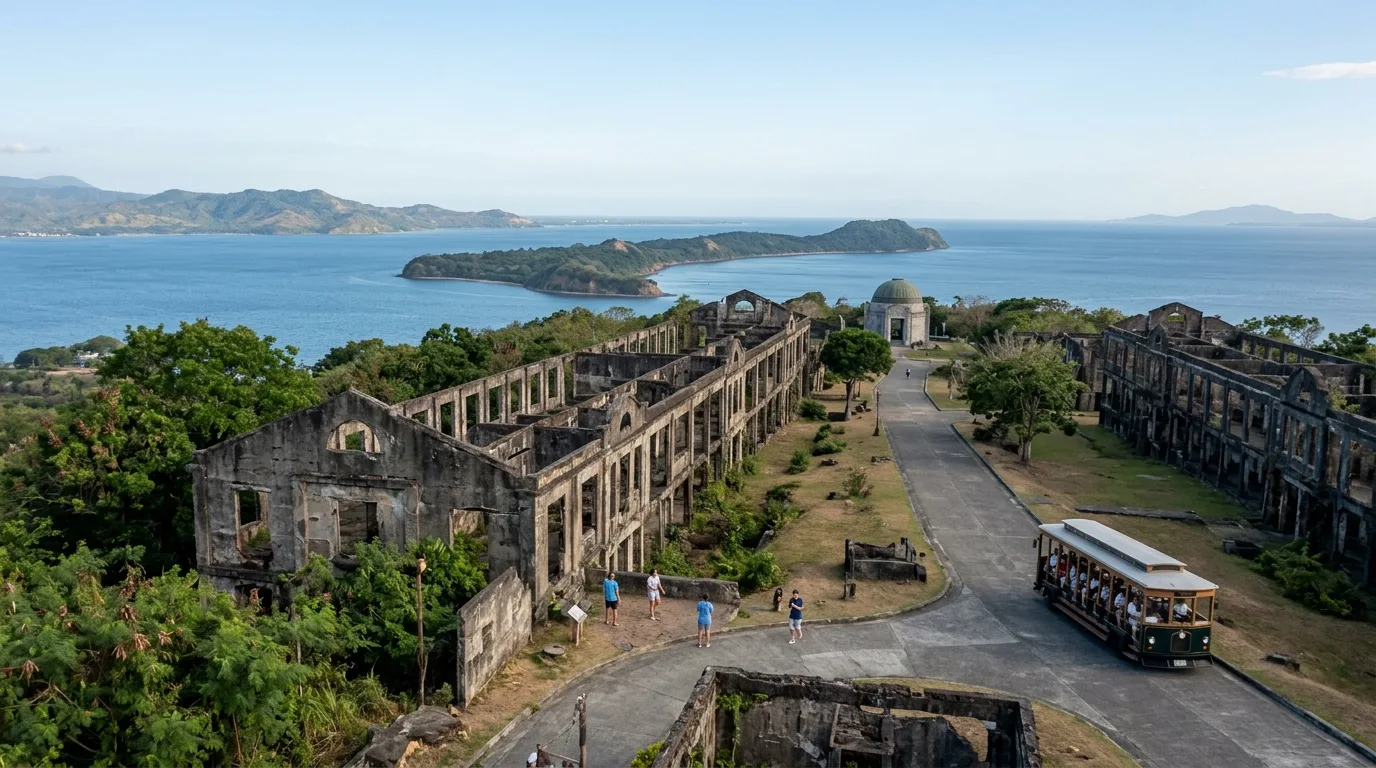
Corregidor Island is a 5.5-square-kilometer natural fortress located 42 kilometers west of Manila, at the entrance to Manila Bay. It served as the strategic headquarters for Gen. Douglas MacArthur and the stronghold where Allied forces endured heavy bombardment during World War II . Today, the tadpole-shaped island draws history enthusiasts who explore its extensive fortifications and memorials, offering a powerful journey into the heart of Filipino and American courage.
Exploring the Island's Iconic Landmarks
Corregidor, officially known as Fort Mills during the American era, is the largest of the fortified islands defending Manila Bay . A full-day guided tram tour takes visitors to key sites, including the skeletal remains of the Mile-Long Barracks on Topside, the longest military barracks in the world, which now stands as a poignant reminder of the war . Visitors also explore Battery Way and Battery Hearn, featuring massive 12-inch mortars and long-range guns used to defend against Japanese attacks . The Malinta Tunnel, a bomb-proof underground complex, once served as a hospital, headquarters, and shelter for thousands of troops and civilians .
The Pacific War Memorial Complex on Topside honors American and Filipino soldiers with its Memorial Dome and Eternal Flame of Freedom Monument . Complementing these are the Filipino Heroes Memorial and the Japanese Garden of Peace, a serene area with a Buddha statue symbolizing reconciliation . The Spanish Lighthouse also offers panoramic views of Manila Bay.
Plan Your Visit and Practical Tips
Corregidor is part of the municipality of Cavite City . As of 2026, the most reliable way to visit is via Bataan: a 3-hour drive from Manila followed by a 20-25 minute outrigger boat ride . It is recommended to book ferry tickets at least 3 days in advance, as slots are limited, and wearing comfortable walking shoes is essential . The best time to visit is during the cool, dry season from November to February . Sun Cruises continues to be a major tour operator, providing tram tours on the island . As a national shrine and protected area, visitors are asked to respect the ruins and refrain from taking artifacts.