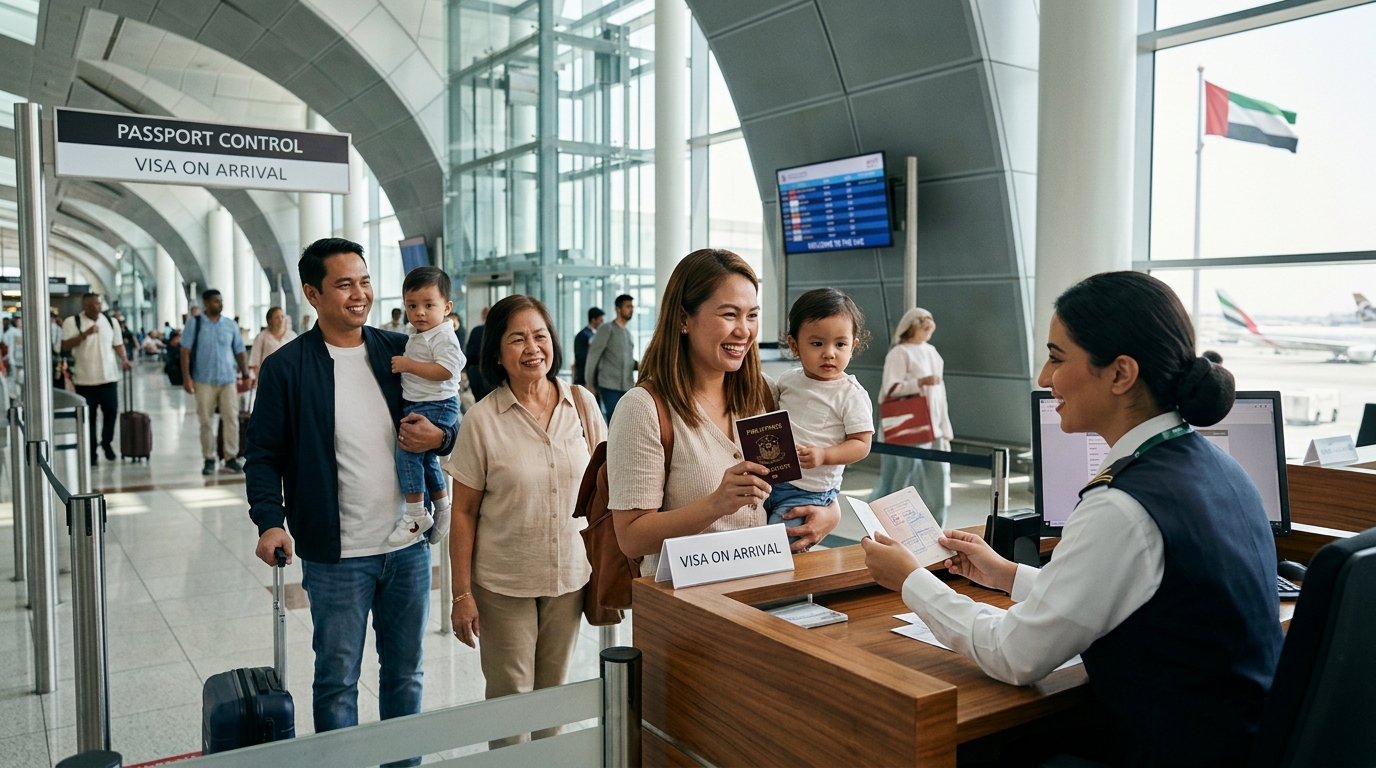
Filipinos planning travel to the United Arab Emirates are once again directed to important information regarding visa-on-arrival options, a topic of consistent interest for the vast global Filipino community. While specifics of the policy, such as exact eligibility criteria, duration, or required documents, were not detailed in the initial report from Gulf News, the mere reaffirmation of its existence underscores its significance for individuals from the Philippines seeking to enter the UAE.
Streamlining Family Visits and Auditing Baseline Capital Entry Mandates
This arrangement holds particular relevance for hundreds of thousands of Overseas Filipino Workers residing in the Emirates and their families, as well as those looking to explore the dynamic Gulf nation. The concept of a visa-on-arrival typically streamlines the entry process for eligible nationalities, potentially reducing the lead time and paperwork associated with pre-arranged visas. For Filipinos, this could mean greater flexibility in visiting relatives, attending events, or exploring tourist attractions across cities like Dubai and Abu Dhabi. However, it is crucial for every Filipino traveler to understand that visa-on-arrival schemes are often subject to specific conditions, which can include minimum passport validity, proof of onward travel, and sufficient funds for their stay.
Distinguishing Spontaneous Leisure Entry From Prohibited Job-Seeking Activity
The availability of visa-on-arrival contributes significantly to the ease of movement between the Philippines and the UAE, fostering stronger social and economic ties. For the extensive population of Filipino expatriates, easier access for family members to visit provides invaluable emotional support and strengthens community bonds. From an economic perspective, simplified travel can boost tourism from the Philippines to the UAE, benefiting both nations. It also impacts business visitors who might need to make quick trips for meetings or conferences. However, it is paramount that Filipino travelers never mistake a tourist visa, including one acquired on arrival, for a work permit. Attempting to seek employment on a tourist visa can lead to severe legal repercussions, including fines, deportation, and potential bans from re-entering the UAE.
What Filipinos Need to Know
Given the broad nature of the initial report, all Filipino citizens considering travel to the UAE are strongly advised to proactively seek the most current and comprehensive information directly from official sources. This includes the website of the UAE’s Federal Authority for Identity, Citizenship, Customs & Port Security (ICP) or the nearest UAE embassy or consulate in the Philippines. Key aspects to verify include:
1. Eligibility: Confirm if your passport type and purpose of visit qualify for visa-on-arrival.
2. Required Documents: Understand what specific documents, such as passport validity, photographs, or return tickets, you must present upon arrival.
3. Duration of Stay: Clarify the maximum period allowed under the visa-on-arrival and if extensions are possible.
4. Cost: Inquire about any fees associated with the visa. Adhering to these guidelines ensures a smooth and compliant travel experience for all Filipinos heading to the United Arab Emirates.