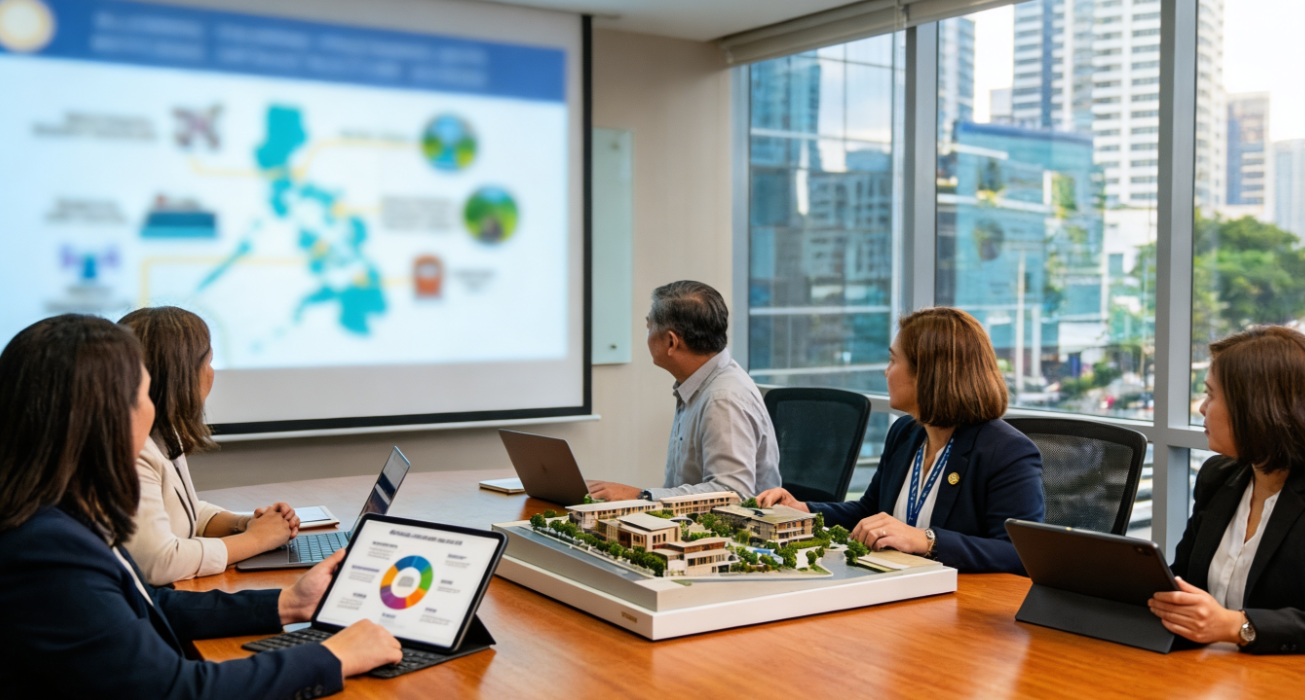
MAKATI CITY — A high-level meeting held last April 2026, at the Department of Tourism (DOT) Central Office in Makati, brought together the heads of the agency’s attached bureaus and corporations to synchronize the country’s tourism programs with the national infrastructure agenda. The gathering signaled a more coordinated and investor-friendly direction for the sector, with a clear focus on streamlining infrastructure rollout, destination enhancement, promotions, and niche market expansion under a single, coherent strategy.
Breaking Down Silos for a Cohesive Investment Pitch
Key officials from the Tourism Infrastructure and Enterprise Zone Authority (TIEZA), the Tourism Promotions Board, the Intramuros Administration, the National Parks Development Committee, and other attached offices participated in the discussions. The meeting underscored the importance of presenting a unified front to potential investors, ensuring that infrastructure projects, destination development, and marketing efforts are aligned. By breaking down silos, the tourism sector aims to become more attractive to both local and foreign capital, particularly for projects that improve connectivity, accessibility, and visitor experience.
Aligning Tourism with National Growth Priorities
The gathering was described as a strategic move to ensure that tourism development supports broader economic goals. Participants reviewed priority initiatives designed to fast-track tourism-related infrastructure, such as transport links, digital connectivity, and site development. The meeting also explored ways to integrate sustainable practices and community-based tourism into the infrastructure pipeline. This alignment is expected to create a more resilient and competitive tourism industry, capable of generating livelihoods and opportunities across regions.
A Positive Signal for Investors
For potential investors, the meeting sent a strong message: the Philippine tourism sector is now working under a more coordinated and transparent framework. By presenting a single roadmap, government agencies aim to reduce red tape and accelerate project approvals. This approach is expected to unlock new investments in hotels, transportation, eco-tourism sites, and digital services. The meeting also highlighted the importance of public-private partnerships in delivering world-class tourism infrastructure.