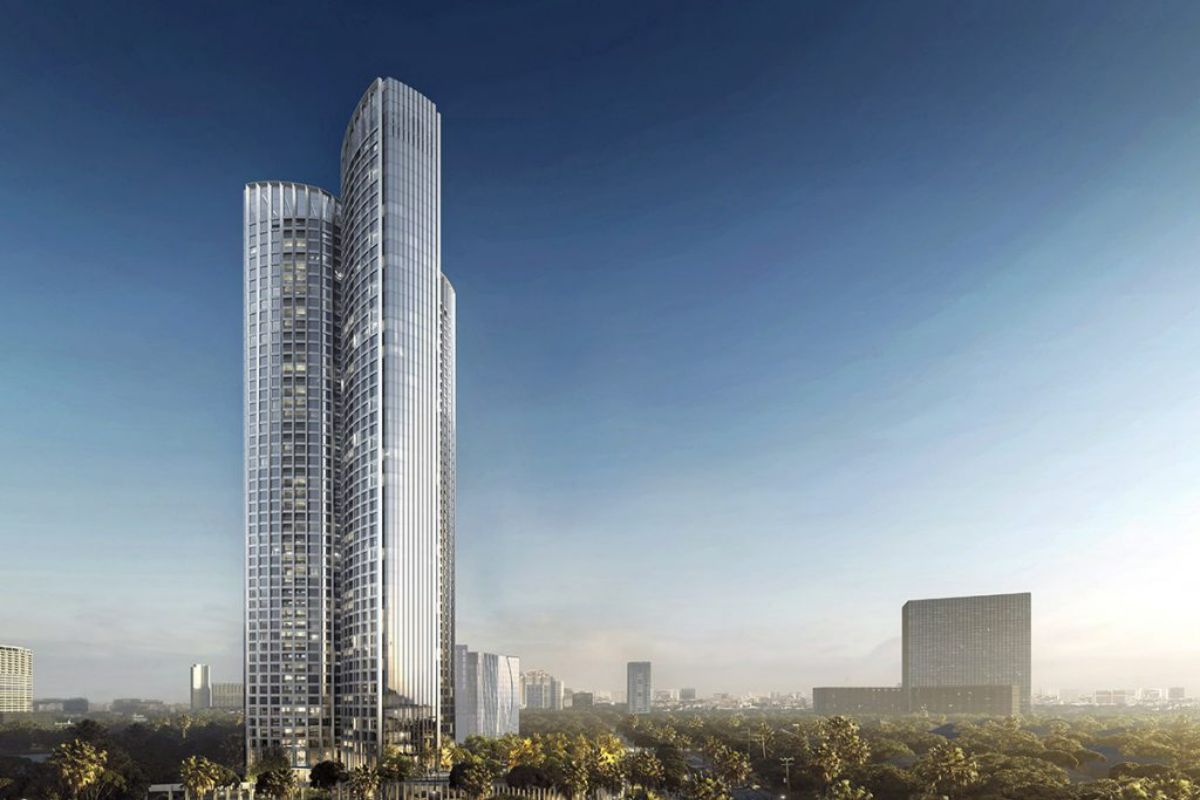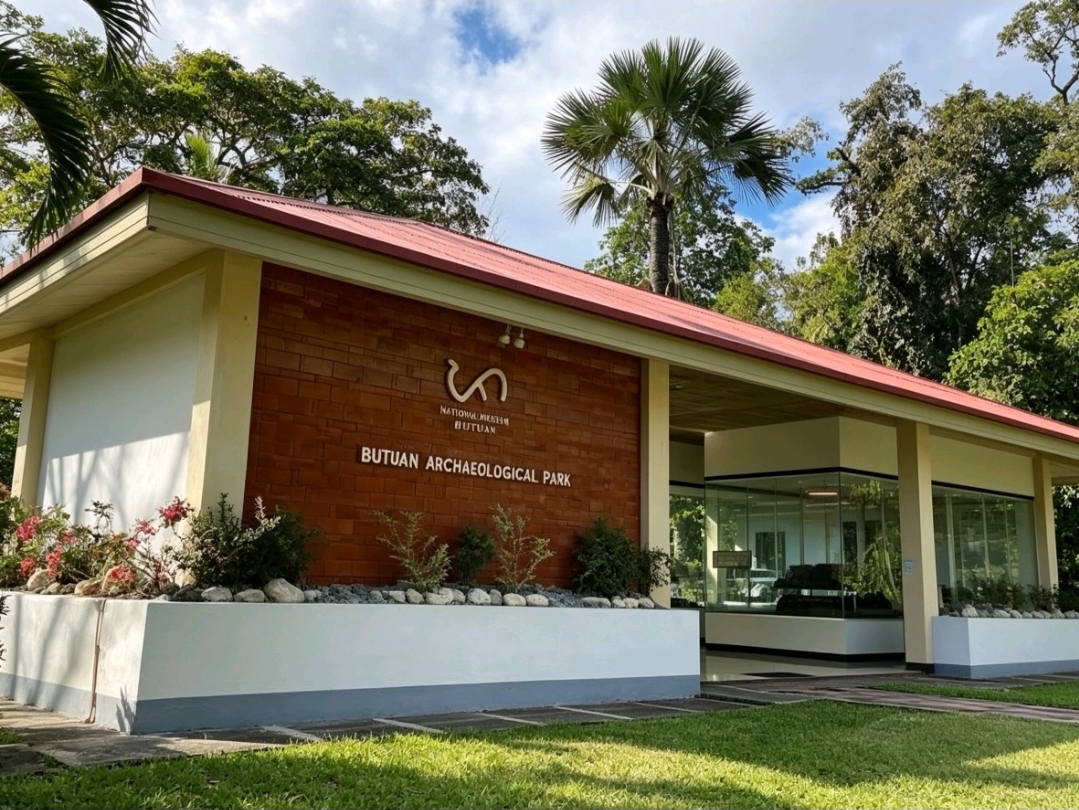
Cagayan de Oro's — vibrant identity extends far beyond its rapid commercial development, anchoring itself as a profound sanctuary for historical preservation in Northern Mindanao. Exploring the city's academic core reveals dedicated spaces where the complex tapestry of regional ancestry is thoughtfully gathered and displayed for travelers and student groups alike.
A Specialized Academic Sanctuary
The Museum of Three Cultures occupies a prominent physical footprint on the sprawling grounds of Capitol University along Corrales Extension. While general tourist sites often focus on natural landscapes, this highly curated gallery functions as an essential, climate-controlled repository dedicated entirely to regional anthropology. The facility provides a beautifully organized, reflective environment where researchers, historians, and tourists can escape the bustling downtown corridors to observe rare artifacts in peace. It serves as an invaluable local anchor for community education, meticulously detailing how different populations organically shaped the contemporary identity of Mindanao.
The Architecture of Tri-People History
The Museum of Three Cultures inside Capitol University is one of Northern Mindanao’s most important cultural landmarks, showcasing the rich history and heritage of the region’s Indigenous peoples, Moro communities, and migrant settlers. Through its well-organized galleries filled with traditional tools, textiles, weaponry, and historical artifacts, the museum gives visitors a deeper understanding of how these different cultures shaped the identity of Mindanao. Known for its peaceful atmosphere and educational value, the museum remains a popular destination for students, researchers, tourists, and anyone interested in exploring the diverse culture and history of Northern Mindanao.
A Reliable Academic Milestone
Operating with excellent consistency from Monday through Friday between 8:00 AM and 5:00 PM, the museum remains a highly accessible landmark within the city's primary institutional zone. The staff—who are often praised for their welcoming hospitality and deep historical knowledge—willingly provide contextual insights that make a simple gallery walk feel like an authentic journey through time. The venue handles university groups and independent travel hoppers with absolute ease, ensuring that educational resources and interactive displays remain perfectly maintained. Whether you are a student finalizing research on local ethnicity or a first-time visitor wanting a mature, sophisticated look into Northern Mindanao's soul, it stands out as a thoroughly enriching d
estination.