Thailand is making an aggressive push to dominate the global wellness tourism market, projecting a massive $40 billion industry with nearly 30% growth. This bold strategy aims to position the Southeast Asian nation among the top five wellness hubs worldwide, potentially surpassing established players like Japan, Malaysia, Singapore, and even the Philippines. The move signals a significant shift in regional tourism dynamics, with direct implications for Filipinos living and working across Asia.
Scaling Specialized Accommodations and Revenue Capture
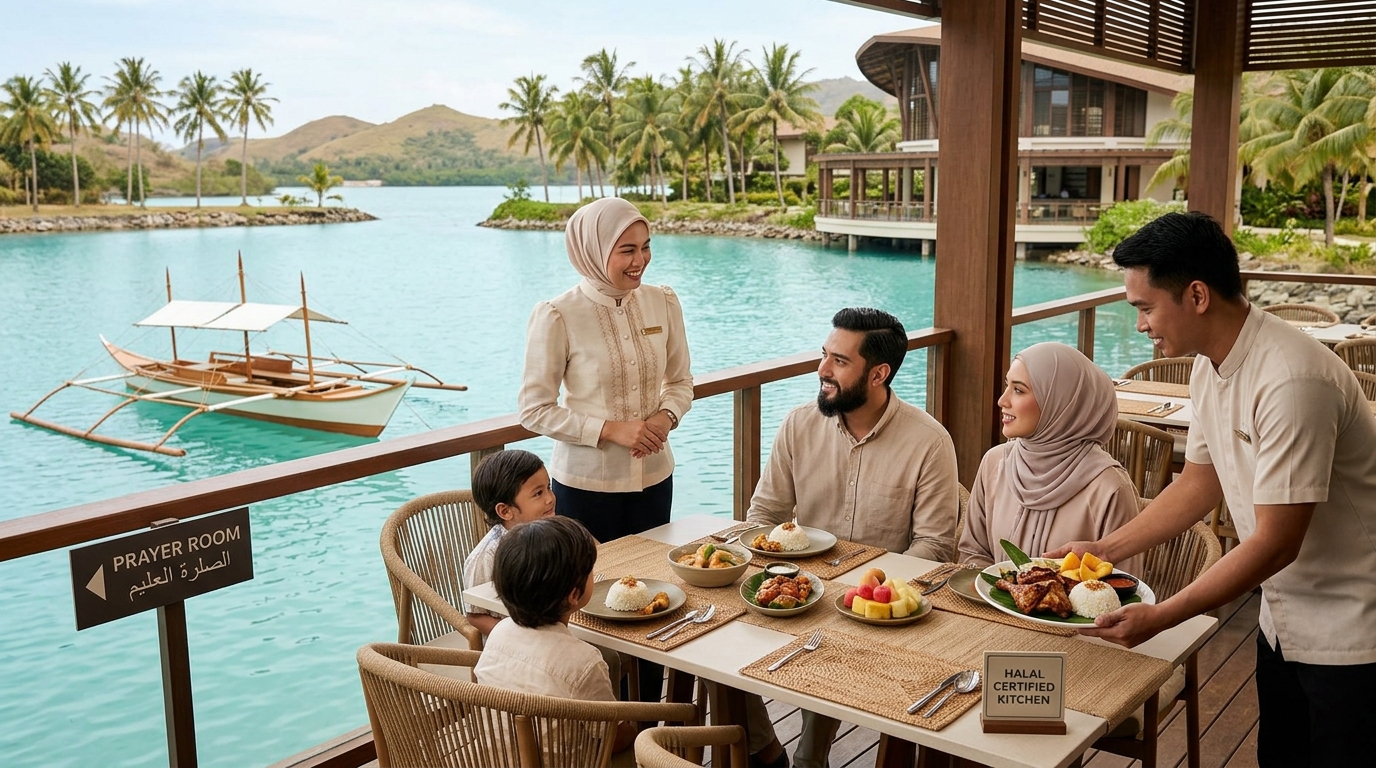
The focus on wellness tourism encompasses a wide array of services, from medical tourism and spa retreats to holistic health and rehabilitation centers. This specialized sector commands higher spending per visitor and longer stays, making it a lucrative target for economic development. As Thailand invests heavily in infrastructure, specialized medical facilities, and trained personnel, it sets a new benchmark for regional tourism competitiveness.
Shifting Labor Reallocations and Export-Market Pressures
For Filipinos, especially those working or considering opportunities abroad, Thailand's ascent in wellness tourism presents a complex landscape. The expansion of this sector will undoubtedly create a demand for skilled labor in hospitality, healthcare, and specialized wellness services. Filipino professionals, renowned globally for their expertise in nursing, therapy, and customer service, may find new avenues for employment in Thailand's burgeoning wellness industry. This could attract a fresh wave of Filipino overseas workers (OFWs) to the country, potentially shifting migration patterns within the region. However, it also intensifies the competitive pressure on other Southeast Asian nations, including the Philippines, which also aims to grow its own tourism sector. While the Philippines boasts unique natural attractions and a strong service industry, Thailand's focused investment in wellness could draw away a significant segment of high-value tourists, impacting the broader regional tourism economy.
Credential Verification and Competitive Positioning Guidelines
Filipinos considering employment in Thailand's expanding wellness tourism sector should research specific job roles, required certifications, and visa regulations. Opportunities may arise in nursing, physical therapy, spa management, hotel operations, and even specialized culinary arts catering to health-conscious travelers. Enhancing skills in these areas, coupled with language proficiency, could prove advantageous. Furthermore, for those in the Philippines, this development underscores the importance of continuous innovation and investment in our own tourism infrastructure and specialized offerings to remain competitive. As regional economies evolve, understanding these shifts is crucial for both individuals seeking overseas careers and for the Philippines' strategic economic planning.