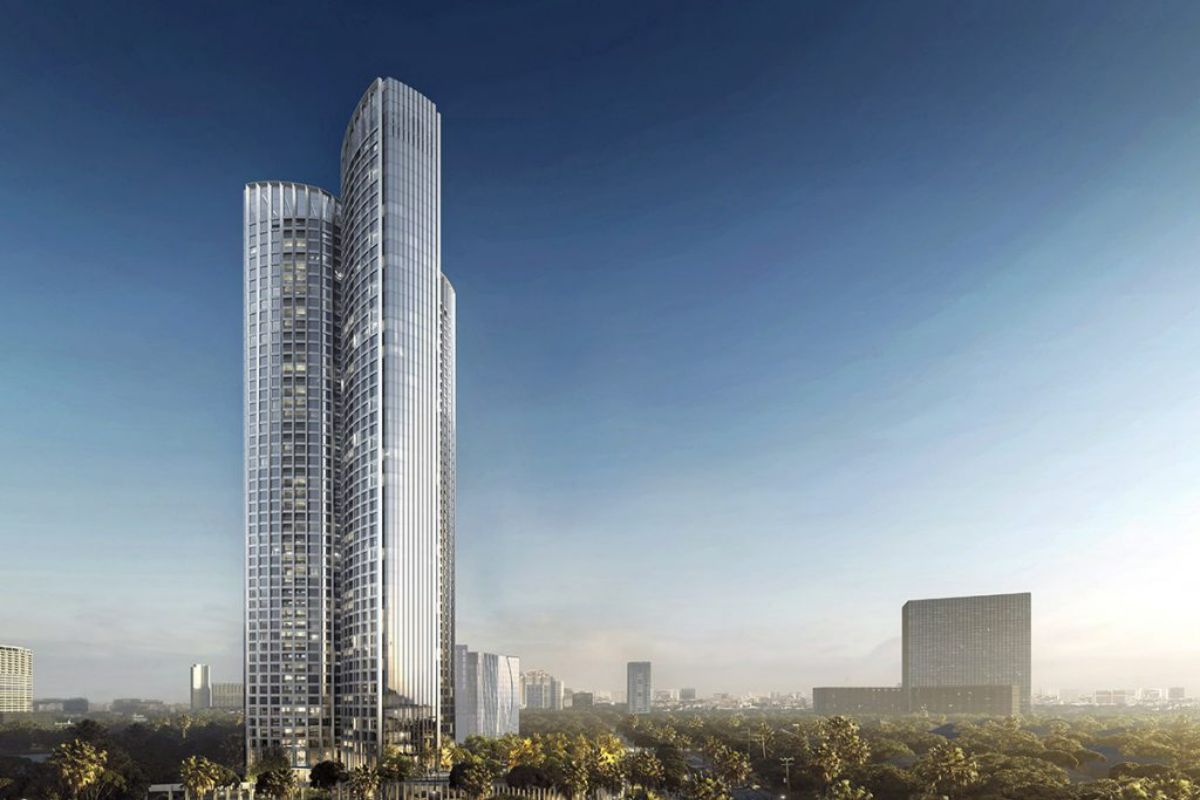
MAKATI CITY — Situated between the upscale boutiques of Greenbelt and the towering offices along Makati Avenue, a six-story museum invites visitors on a thoughtfully curated exploration of Philippine history, culture, and identity. Conceived in the late 1950s by artist Fernando Zóbel de Ayala as a way to preserve and celebrate Filipino heritage, the museum first welcomed guests in 1967. Its current home, an elegant contemporary structure of steel, glass, and granite, was designed by the prestigious firm Leandro V. Locsin Partners, led by Leandro Y. Locsin Jr., and officially opened on September 28, 2004. After undergoing a major renovation completed in late 2021, the museum reopened with redesigned galleries, enhanced accessibility, and a renewed emphasis on visitor engagement. Today, it serves as a peaceful, light-filled retreat amid the energy of Makati’s central business district, offering visitors a refreshing escape from the city's bustle.
Sixty Dioramas That Bring History to Life
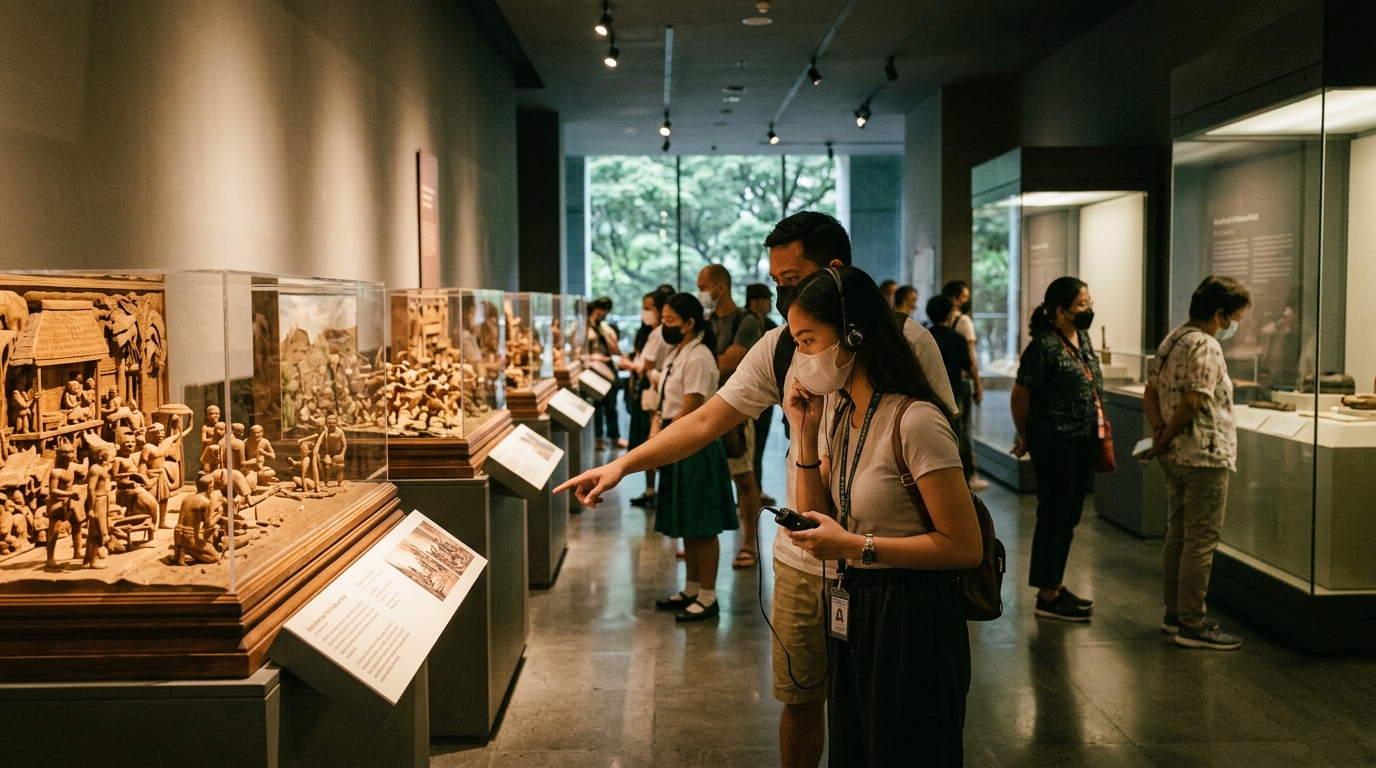
Among the museum’s most popular attractions is the second-floor Diorama Experience, featuring 60 meticulously crafted miniature scenes that chronicle Philippine history from the Stone Age through the EDSA People Power Revolution. Far more than simple scale models, these wood-carved tableaux recreate significant moments in the nation’s past, including the Battle of Mactan, the Gomburza execution, the Propaganda Movement, and the establishment of the First Philippine Republic. Each display is accompanied by informative captions, while an optional audio guide provides additional insights that make the experience both educational and deeply moving.
Gold, Textiles, and Masterworks of Filipino Art
One of the museum’s most striking highlights can be found on the fourth floor in the Gold of Ancestors gallery. Here, visitors can admire more than 1,000 gold artifacts dating from the 10th to 13th centuries, displayed in dramatic low-lit showcases. Intricately crafted ear ornaments, ceremonial chains, and ritual regalia reveal the sophistication and artistry of civilizations that flourished in the Philippine archipelago long before Western contact. Nearby, guests can explore a remarkable collection of indigenous textiles, Asian trade ceramics, and traditional maritime vessels, each offering valuable insight into the Philippines’ rich history of craftsmanship, trade, and cultural exchange. The museum’s permanent collection also features important works by some of the country’s most celebrated artists. Paintings by National Artists Juan Luna, Fernando Amorsolo, and Fernando Zóbel de Ayala are regularly exhibited, allowing visitors to appreciate the evolution of Filipino artistic expression across generations.
Plan Your Visit
The Ayala Museum is located at the corner of Makati Avenue and De La Rosa Street within Greenbelt Park. It is open from Tuesday to Sunday, from 11:00 AM to 7:00 PM, and remains closed on Mondays. Admission is ₱500 for local visitors with full museum access, while foreign tourists pay ₱850. Reduced rates are available for children, students, senior citizens, and persons with disabilities. Visitors are encouraged to reserve tickets in advance through the museum’s official website, as timed-entry slots help ensure a comfortable viewing experience. Allowing at least two hours for a visit is recommended to fully appreciate the exhibits, and the optional audio guide is highly recommended for additional context, particularly during the Diorama Experience. Whether you are visiting the Philippines for the first time or have lived here for years, the Ayala Museum provides an engaging and accessible way to connect with the country’s rich and layered identity. It is a place where history is not only preserved but experienced, leaving every visitor with a deeper appreciation of the Filipino soul.