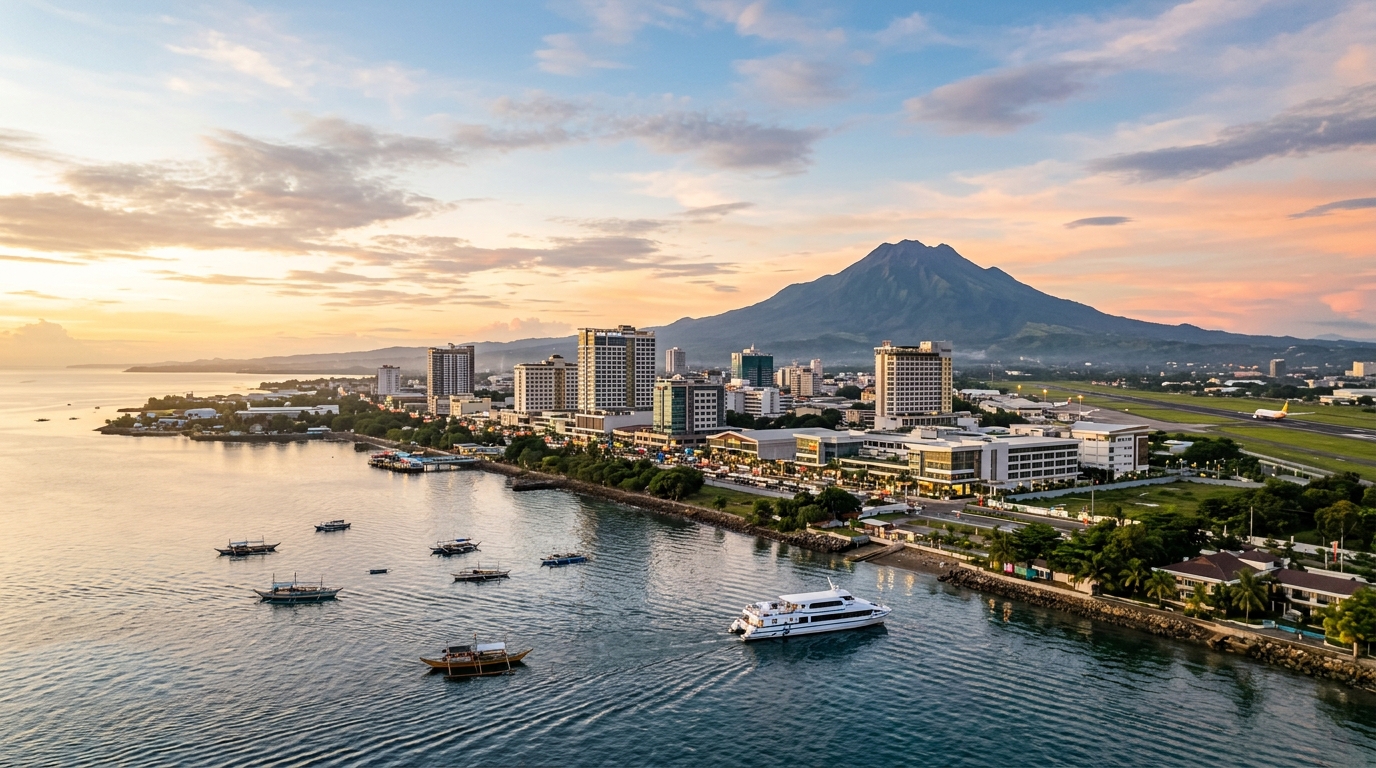
The Philippines is experiencing a remarkable resurgence in its tourism sector, with the Department of Tourism (DOT) reporting a substantial 2,955,014 international visitor arrivals from January 1 to June 16 of this year. This impressive figure highlights a strong rebound, injecting much-needed vitality into an industry crucial for the nation's economic landscape and the livelihoods of countless Filipino families. The consistent flow of visitors underscores a renewed global confidence in the Philippines as a premier travel destination, promising a ripple effect of opportunities across various sectors.
Accelerating Regional Micro-Firms and Securing Provincial Service Contracts
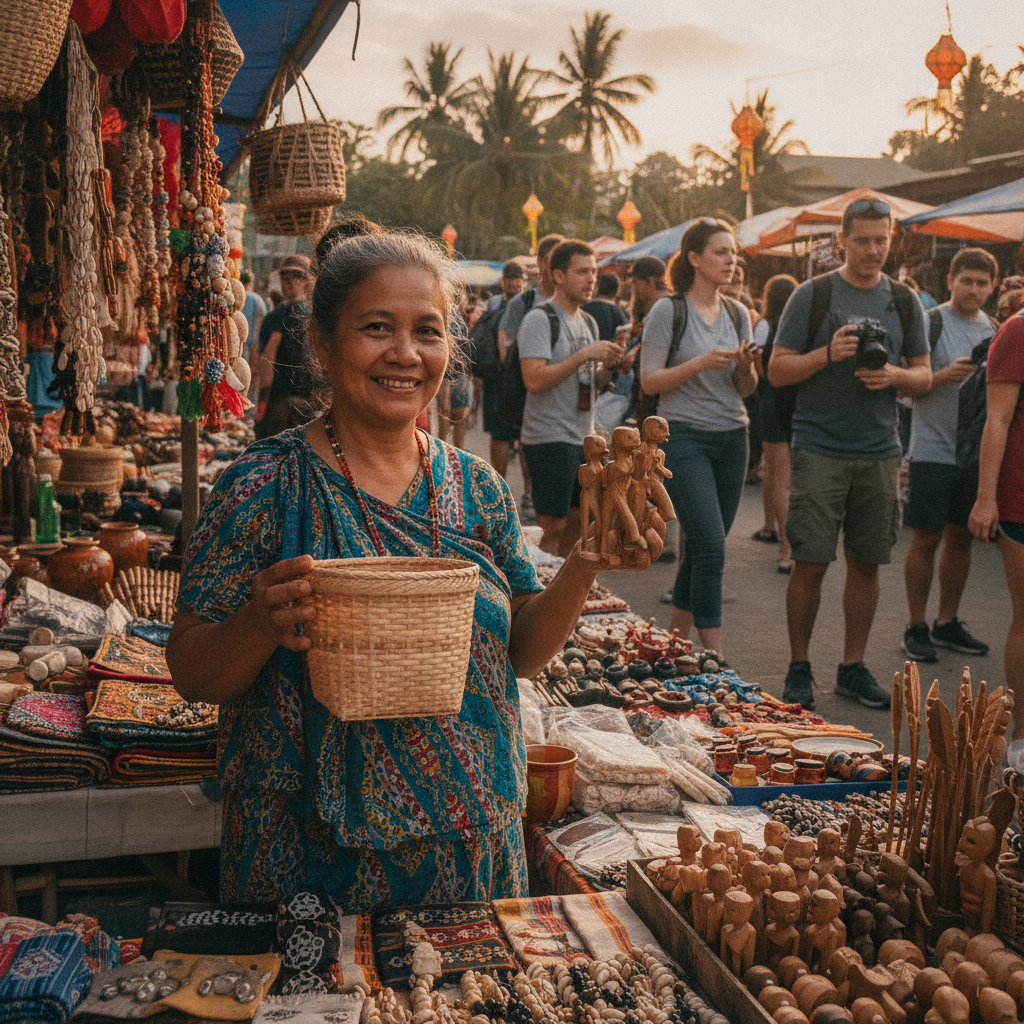
This surge in tourist numbers translates directly into tangible benefits for local communities and the broader Filipino economy. From bustling hotels and resorts to vibrant local markets, transport services, and cultural attractions, the increased demand fuels job creation and strengthens small and medium-sized enterprises. This economic activity is a lifeline for many, providing employment for hospitality workers, tour guides, artisans, and food vendors, all contributing to the financial well-being of families across the archipelago. The positive momentum is not just a statistical win; it represents a pathway to improved living standards and a more stable future for Filipinos.
Generating In-Country Career Tracks to Short-Circuit Compulsory Migration
The revitalization of the tourism industry holds profound implications for the Philippines. A thriving tourism sector can alleviate pressure on the need for Filipinos to seek employment abroad, potentially creating more desirable local job prospects and enabling families to stay together. For Overseas Filipino Workers (OFWs) contemplating a return home, a robust domestic economy, bolstered by tourism, could present viable career alternatives. Furthermore, the influx of foreign currency strengthens the national economy, contributing to overall growth and development initiatives that benefit all citizens.
Upgrading Aviation Connectivity and Transforming Leisure Pipelines Into Capital Platforms
Filipinos, both within the country and abroad, should recognize the significant role this tourism boom plays in national development. It signals a period of economic recovery and potential growth, opening doors for entrepreneurship and skill development in tourism-related fields. As the country continues to welcome more visitors, there will be an increasing demand for quality services, sustainable practices, and innovative offerings. For OFWs, this trend might signify a more optimistic outlook for future reintegration plans, while for those in the Philippines, it underscores the importance of supporting local tourism and maintaining the country's reputation for hospitality and natural beauty.