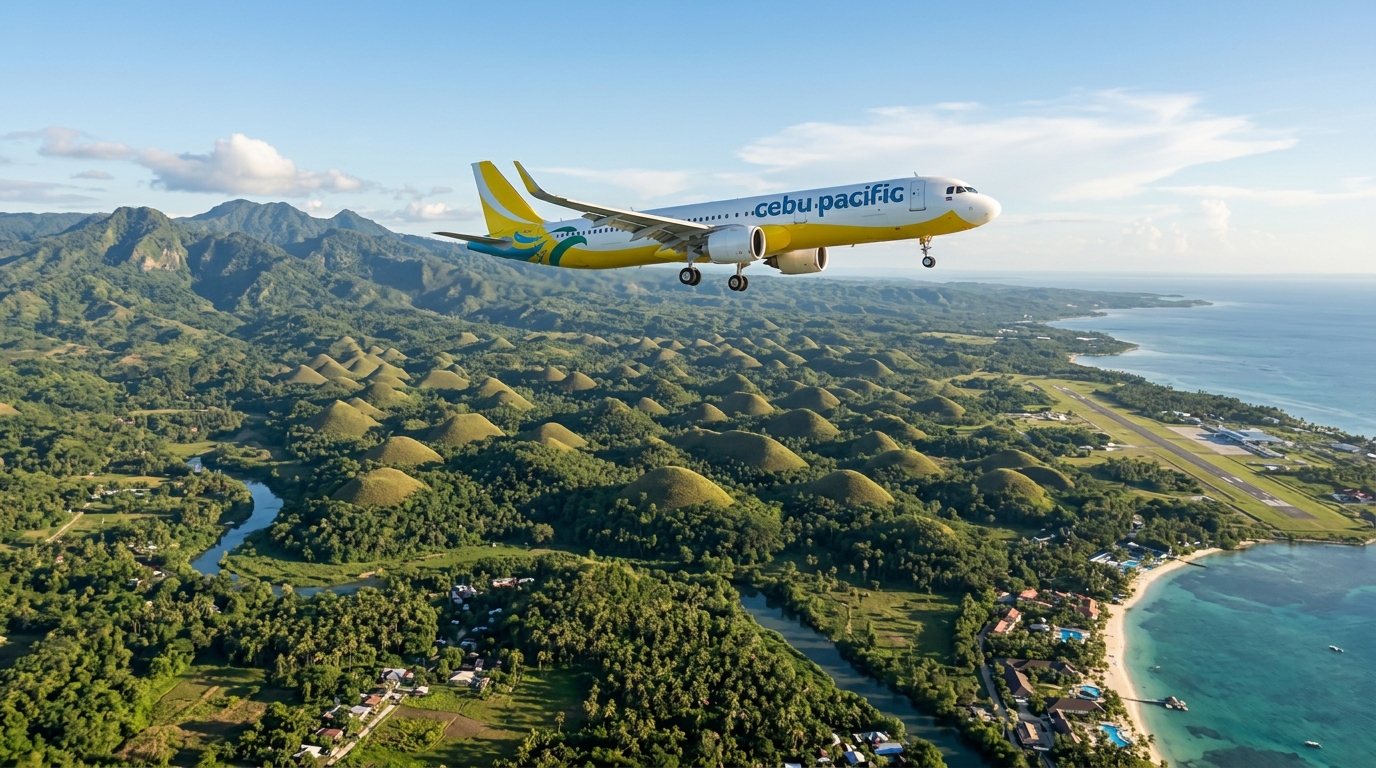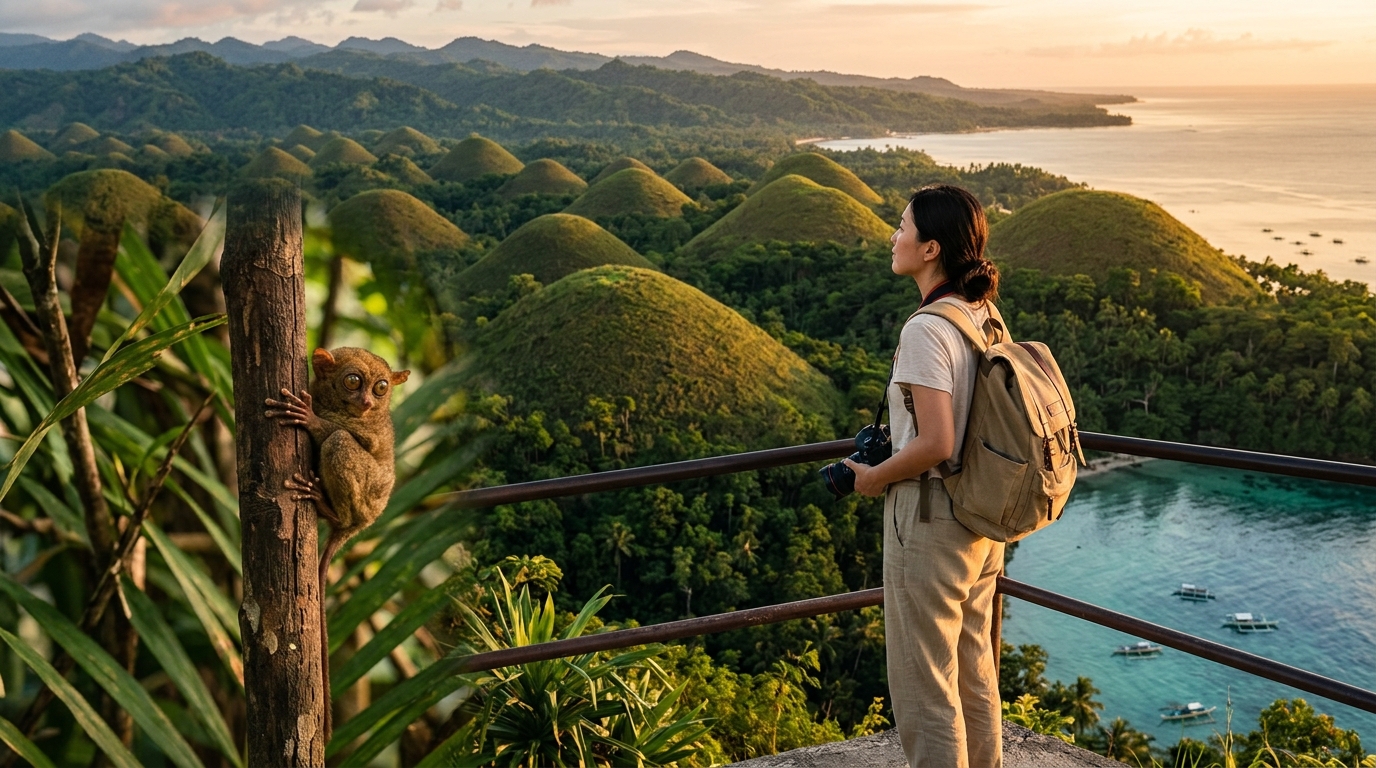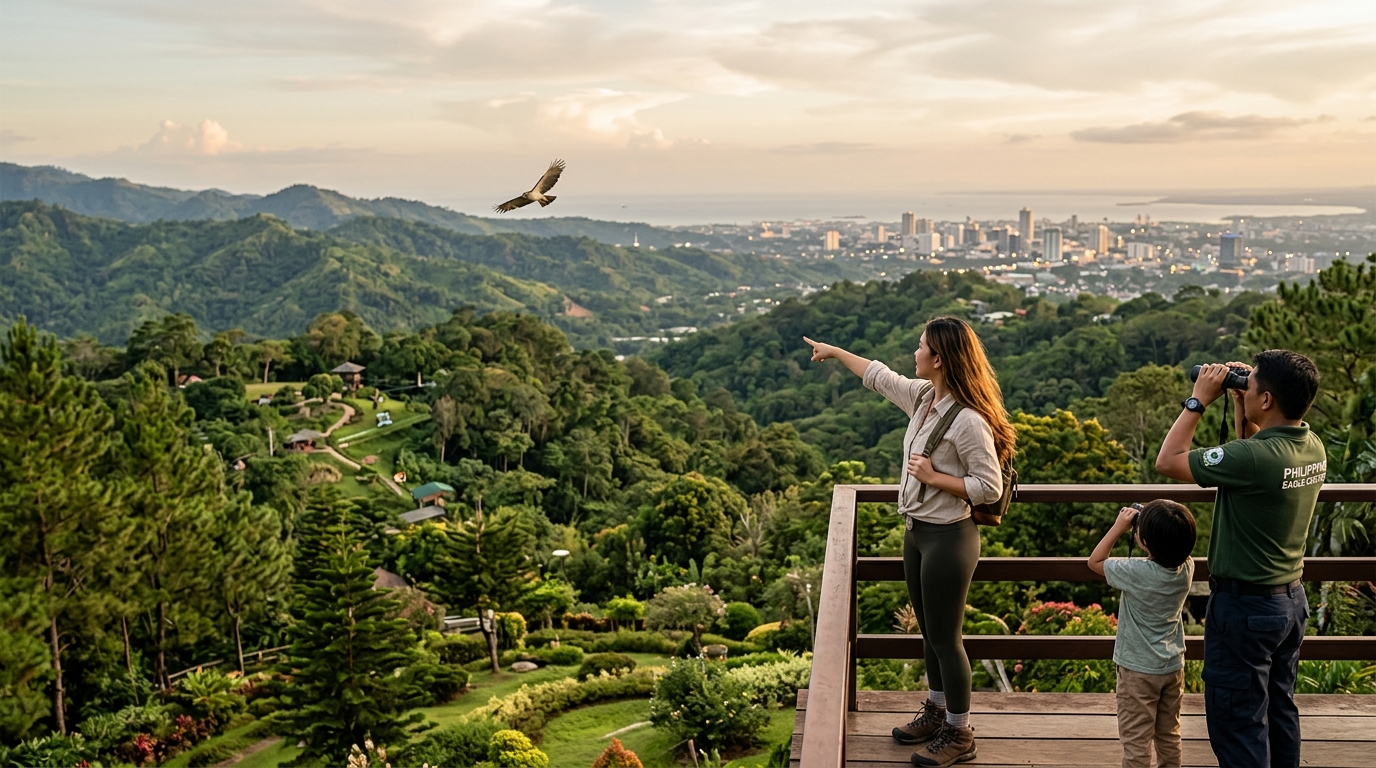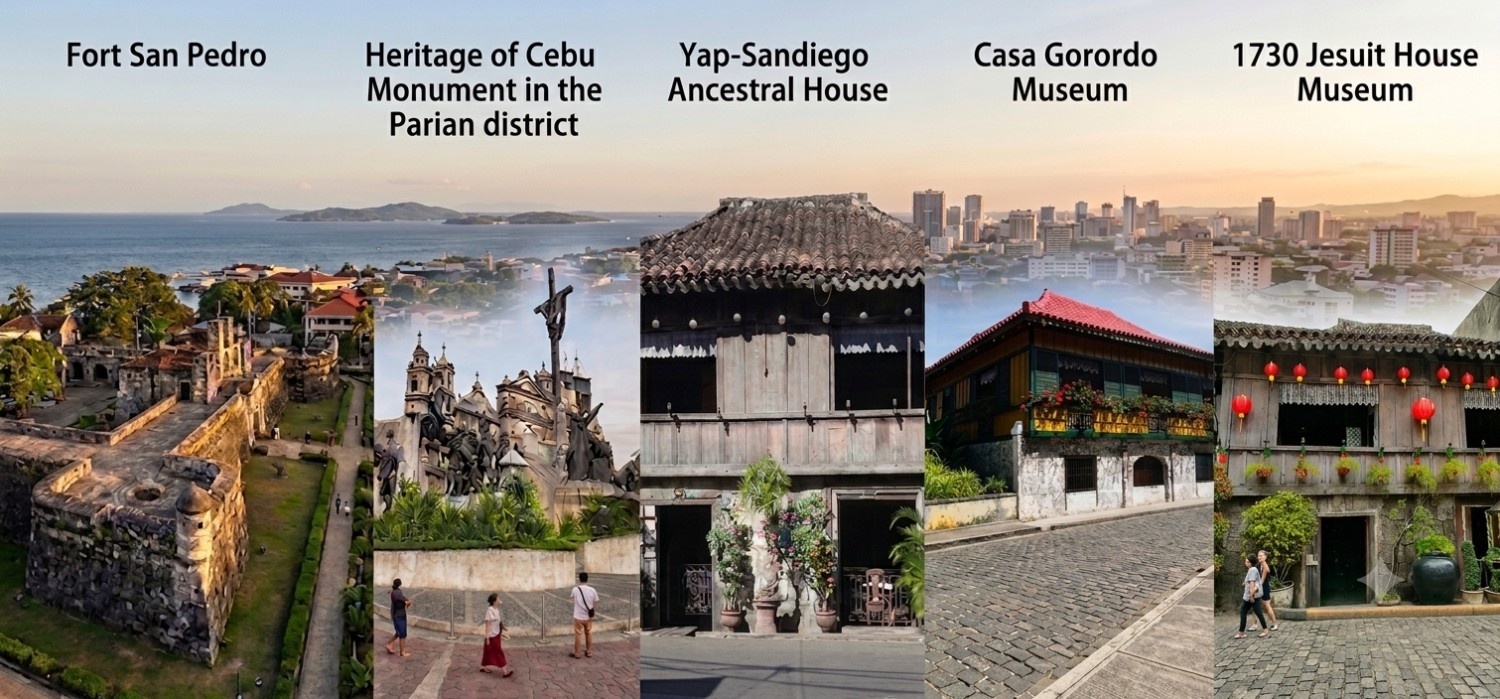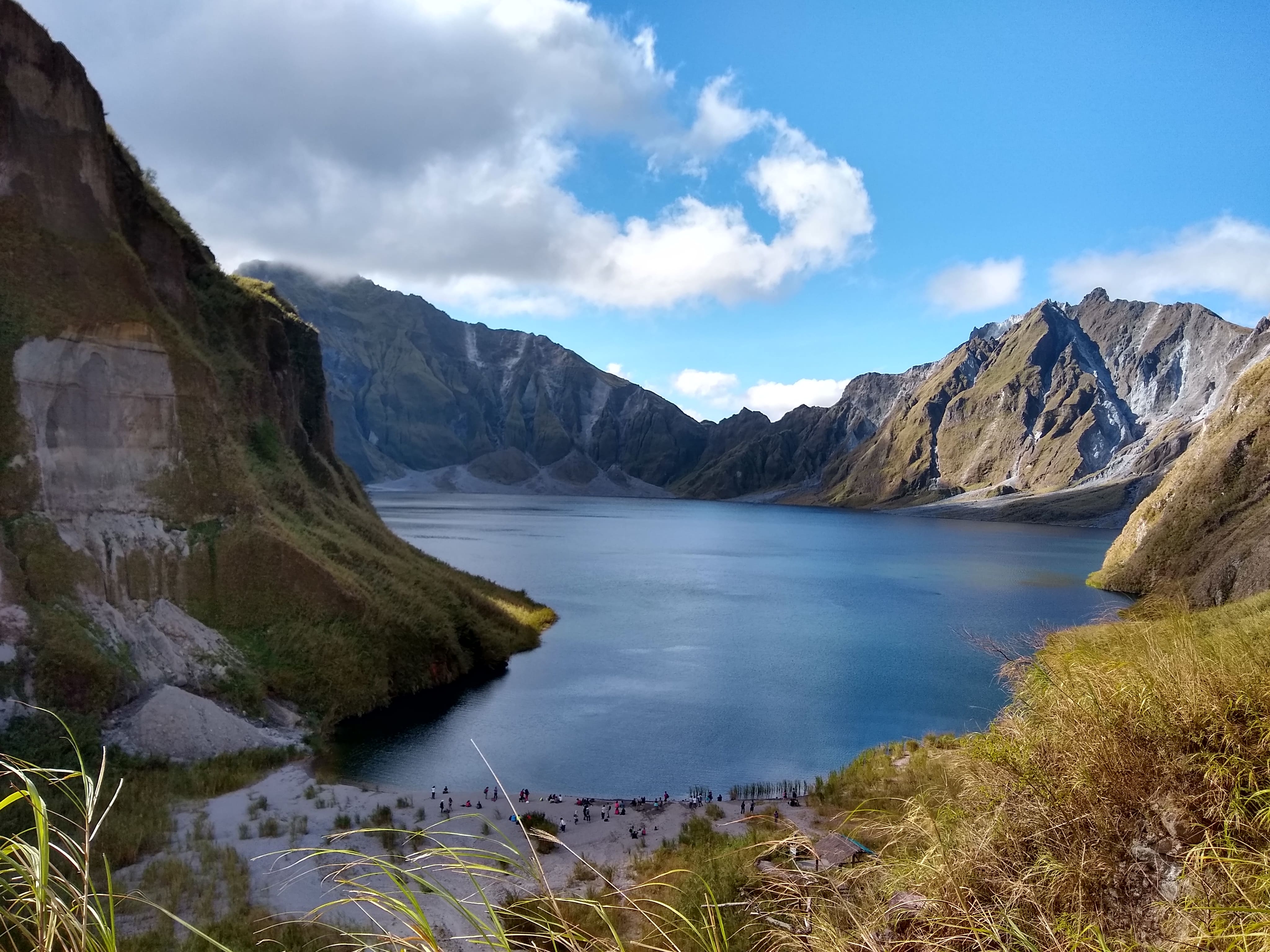
A stunning turquoise lake now sits where a towering peak once stood, drawing thousands of travelers to witness nature's power of renewal. Mt. Pinatubo Crater Lake, formed after the volcano's cataclysmic 1991 eruption—one of the largest volcanic events of the 20th century—has become one of the Philippines' most sought-after geotourism destinations . Accessible from Santa Juliana in Capas, Tarlac, this beginner-friendly adventure offers visitors an unforgettable journey through dramatic volcanic landscapes that have transformed from devastation into breathtaking beauty.
The crater's vibrant blue-green waters, which shift from emerald to sapphire depending on the skies above, are framed by the rugged cliffs of the caldera, creating a scene of profound contrast between barren ash fields and serene waters . What makes this destination special is not just its beauty but its powerful story—a testament to how even the most destructive forces can give birth to something magnificent.
The Journey: Off-Road Adventure Meets Scenic Trek
The adventure begins early. The jump-off point is the Santa Juliana Tourism Center in Capas, Tarlac, with registration closing at exactly 7:00 AM—a hard cutoff that makes late arrivals impossible to accommodate . From Manila, travel time is approximately 2.5 to 3 hours by land . Once registered, visitors board rugged 4x4 jeeps for an exhilarating 1 to 1.5-hour ride through Crow Valley, navigating rivers, volcanic ash plains, and unique lahar formations that feel almost lunar in their otherworldliness.
From the 4x4 drop-off point, the trek to the crater takes about 1 to 2 hours across mostly flat but uneven riverbed terrain . The trail is composed of lahar (volcanic ash), making it feel like walking in a desert, with several river crossings along the way . Despite the unique terrain, the trek is widely considered easy to moderate in difficulty, making it accessible to beginners who come prepared with proper footwear and sufficient water . Upon reaching the crater rim, visitors are rewarded with breathtaking panoramic views of the emerald-to-turquoise lake surrounded by towering volcanic walls.
Planning Your Trip: Fees, Requirements, and Best Time to Go
The dry season, from December to May, offers ideal weather for clear skies and optimal trekking conditions, with December to February providing cooler temperatures . The rainy season (June to November) is generally avoided due to the high risk of lahar floods and trail closures.
For those planning the DIY route, the Capas LGU publishes clear fee structures: 4x4 vehicle rental is ₱3,000 (maximum 5 persons), local guide fee is ₱500 per vehicle, plus a tourism fee of ₱300 per head and a Botolan fee of ₱400 per head . An all-in tour package for a solo traveler would thus cost around ₱4,200 based on these base rates. For comparison, all-in packages from Manila typically range from ₱2,399 to ₱3,000 per person depending on group size and whether van transfers are included.
Important requirements to note: Visitors aged 40 and above must present proper identification, while those 60 and older need a medical certificate in addition to valid ID . Children must be at least 6 years old to join . Foreign nationals may face additional requirements, including advance clearance from the Philippine Army when using the Capas base camp, which is located inside a military reservation . A scanned copy of your passport details page must be submitted to your tour operator approximately 40 days before departure to secure permits.