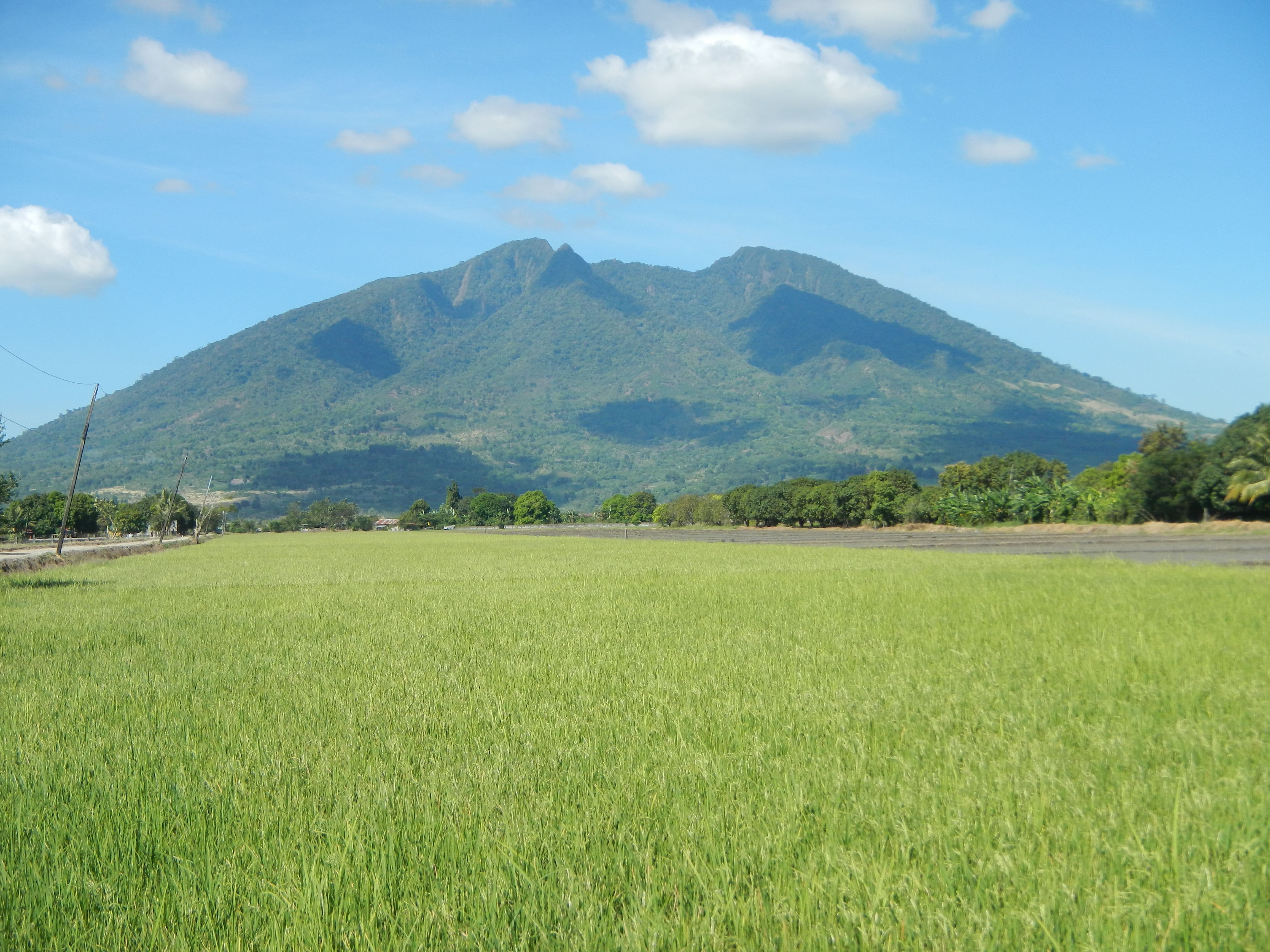
Rising 1,026 meters above the flat agricultural plains of Central Luzon, Mt. Arayat stands as an unmistakable sentinel visible for miles . For northbound travelers on the North Luzon Expressway (NLEX), the volcano emerges on the right side like a green island above a sea of rice fields—a breathtaking view that requires no hiking, no entrance fee, and no special gear .
This accessibility makes Mt. Arayat unique among the Philippines' natural wonders. While many of the country's iconic landscapes demand hours of trekking, the view of this potentially active stratovolcano is available to everyone: families with young children, elderly travelers, those with limited mobility, and even motorists simply passing through. Nature tourism in Pampanga, it turns out, can be inclusive for all.
A Volcanic Giant with a Rich Geological Past
Mt. Arayat is a forested stratovolcano belonging to the Eastern Volcanic Chain, which includes Mounts Balungao, Cuyapo, and Amorong . It features a distinct twin-peak structure: the North Peak reaches 1,026 meters, while the South Peak stands at 920 meters, with a large breached crater on the northwestern side formed by a massive debris avalanche that occurred within the last 500,000 years .
While classified as potentially active by some assessments, the volcano has no recorded historical eruptions. Weak fumarolic activity—small vents releasing steam and gases—has been observed on the northwestern summit, reminding visitors that beneath its lush, forested exterior lies a geologically young mountain . The cone is believed to be built upon an older crater approximately 900 meters in diameter, whose remnants form the two prominent peaks visible from the highway today.
More Than a Mountain: The Legend of Mariang Sinukuan
Beyond its geological significance, Mt. Arayat holds a sacred place in Kapampangan folklore. Known as the legendary home of Apung/Aring Sinukuan, the ancient Kapampangan sun god of war and death, the mountain has been revered for centuries . In pre-colonial mythology, Sinukuan was a powerful male deity who taught early inhabitants metallurgy, woodcutting, rice culture, and the art of war.
During the Spanish colonial period, the narrative was deliberately altered. Spanish friars rebranded the deity as "Maria Sinukuan," a female mountain goddess, in an attempt to subjugate native beliefs and encourage conversion to Roman Catholicism . Despite this, the mountain's mystical reputation endured. Legend tells of Sinukuan leaving food for villagers in need during hard times—until greed led the people to abuse her generosity, causing her to withdraw and hide from human sight forever.
Today, Mariang Sinukuan remains one of the most famous mountain goddesses in Philippine folklore, standing alongside Maria Makiling of Los Baños and Maria Cacao of Cebu.
Two Ways to Experience the Same Mountain
For travelers who want to go beyond the roadside view, Mt. Arayat National Park—established as the first national park in the Philippines on June 27, 1933—offers more immersive experiences . The San Juan Baño Trail in Arayat town provides access to the South Peak, while the Ayala Trail in Magalang leads to the higher North Peak. Both require mandatory local guides, available for minimal fees at jump-off points.
For those who prefer a relaxed experience, eco-parks like Gintung Pakpak offer cafes, viewing decks, and scenic nature strolls with mountain vistas—no climbing required. Visitors have described climbing 208 steps to a panoramic view where they enjoyed coffee and snacks while taking in the landscape .
Whether you choose to admire it from the expressway, explore its forest trails, or enjoy coffee at a nearby cafe, Mt. Arayat welcomes everyone. It is a testament to how Pampanga embraces all visitors—from the casual traveler to the dedicated mountaineer—with the same warm Kapampangan hospitality.