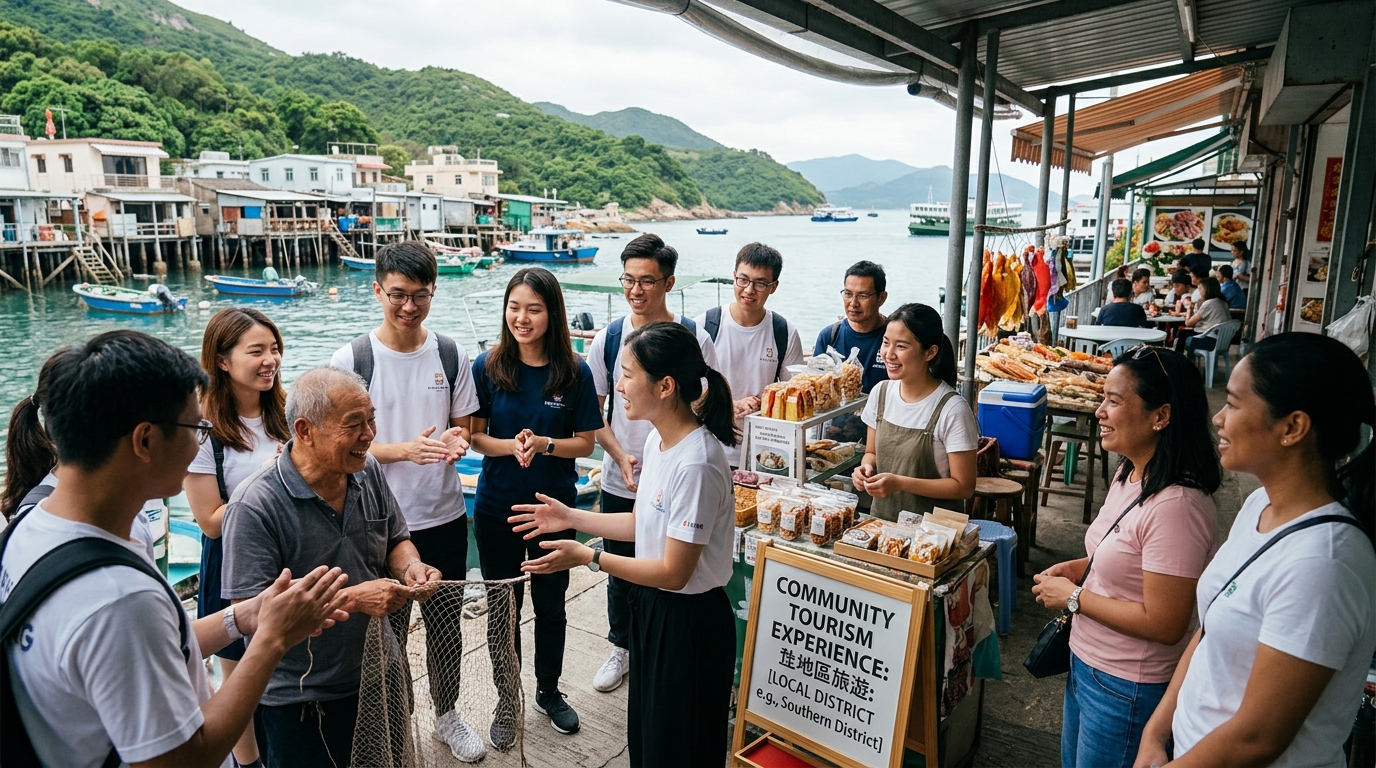
Hong Kong — Hong Kong is embarking on a new tourism strategy, joining regional powerhouses like Singapore, China, Japan, Thailand, and South Korea in championing community-based tourism. This pivot, recently highlighted by a "record-breaking student summit," aims to unveil fresh visitor experiences across lesser-explored districts such as Kwai Tsing, Southern District, and the Outlying Islands.
Decentralizing Traditional Commercial Corridors and Driving Inbound Engagement
For the vast Filipino community residing in or considering work in Hong Kong, this development signals potential shifts and new opportunities in the local economy. The move towards community tourism suggests a diversification from Hong Kong's traditional image of shopping and business hubs. By highlighting unique cultural aspects and local life in districts like Kwai Tsing and the Outlying Islands, the city aims to attract a different kind of traveler, encouraging longer stays and deeper engagement with local communities.
Expanding Outer-District Infrastructures and Generating Niche Service Roles
This strategic expansion is designed to inject vitality into various neighborhoods and create a more dispersed economic impact across the territory. Such initiatives typically generate demand for a range of services, from hospitality and food and beverage to tour guiding and local artisanal product promotion. While the source does not detail specific job numbers or roles revealed by the student summit, the general trend in community tourism points towards an increase in localized employment opportunities.
Elevating Service Sector Resilience and Maximizing Immigrant Labor Security
This strategic shift by Hong Kong is not merely about attracting more tourists; it's about redefining the visitor experience and spreading economic benefits more broadly. As a major employment hub for Overseas Filipino Workers (OFWs), especially those in domestic service, the growth of new tourism segments could indirectly or directly open doors to new types of employment. Increased tourism activity generally boosts the entire service sector, potentially leading to more roles in hotels, restaurants, retail, and even niche cultural services. It also strengthens Hong Kong's overall economic resilience, which is vital for all residents, including the significant Filipino population.
Cultivating High-Value Communications Competencies and Unlocking Independent Micro-Equity Stalls
Filipinos residing in Hong Kong, or those considering employment there, should observe these developments closely. While direct opportunities may not immediately materialize in traditional sectors, the expansion of community tourism could lead to increased demand for English-speaking service professionals across various industries. It might also foster an environment where entrepreneurial Filipinos can find niches, for example, by offering unique cultural insights or services to tourists exploring these new districts. Staying informed about local economic shifts and potential training programs in the hospitality sector could prove beneficial for OFWs looking to diversify their skills or explore new career paths in Hong Kong. The Philippines, as a key source of tourism professionals, stands to benefit from a thriving Hong Kong tourism industry.