Located in the central business district of Makati, the Ayala Museum continues to serve as one of the Philippines’ most respected cultural institutions. It offers visitors a comprehensive journey through Philippine art, history, and identity, making it a key destination for both local audiences and international tourists seeking meaningful cultural experiences near Metro Manila’s urban centers.
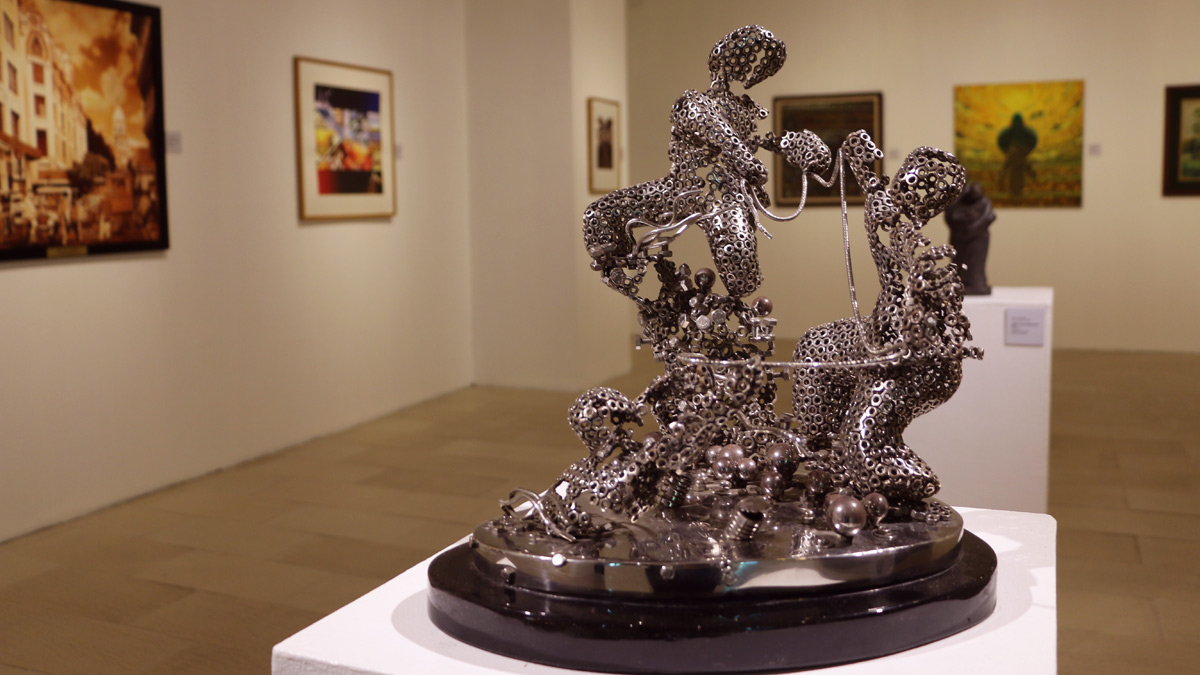
One of the museum’s most notable features is its diverse range of exhibitions that highlight both historical and contemporary Filipino creativity. Visitors can explore classical works from national artists alongside modern and experimental pieces that reflect current artistic movements. Exhibitions such as “Places of Remembrance: Luna, Amorsolo, Zóbel” showcase the evolution of Filipino visual art through time, while “Proto-Saeta: Exploring Abstract Language” introduces audiences to more conceptual and modern interpretations of artistic expression. The Ayala Museum is also well-known for its cultural and historical exhibits that present the richness of Philippine heritage. Collections such as “Mezcla: Interwoven Cultures and the Mantón de Manila” highlight the influence of trade, migration, and cultural exchange in shaping Filipino identity. Meanwhile, artifacts like the Surigao Treasure offer insight into pre-colonial civilization, giving visitors a deeper understanding of the country’s early history and craftsmanship. Beyond traditional exhibits, the museum provides immersive and educational experiences that make learning history more engaging. Its diorama exhibitions depicting key moments in Philippine history remain one of its most iconic attractions. These carefully crafted visual displays help visitors better understand historical events in an accessible and storytelling-driven format. Digital installations and multimedia presentations further enhance the learning experience, making the museum appealing to students, researchers, and casual visitors alike. Another strength of Ayala Museum is its ability to connect culture with its urban surroundings. Situated in Makati’s business and lifestyle district, it is surrounded by shopping centers, cafés, restaurants, and hotels, making it easy for visitors to combine cultural exploration with leisure activities. This accessibility encourages both tourists and working professionals to include museum visits in their city itineraries.
The museum also plays an important role in promoting national identity and cultural awareness. Through its carefully curated exhibitions, it preserves Filipino heritage while also encouraging contemporary interpretations of art and history. This balance between tradition and modernity allows visitors to appreciate the depth and diversity of Filipino culture. As Metro Manila continues to develop as a global urban destination, Ayala Museum remains a vital cultural landmark. It stands as a space where history, art, and identity come together, offering visitors a meaningful escape from the fast-paced city environment while deepening their understanding of the Philippines.