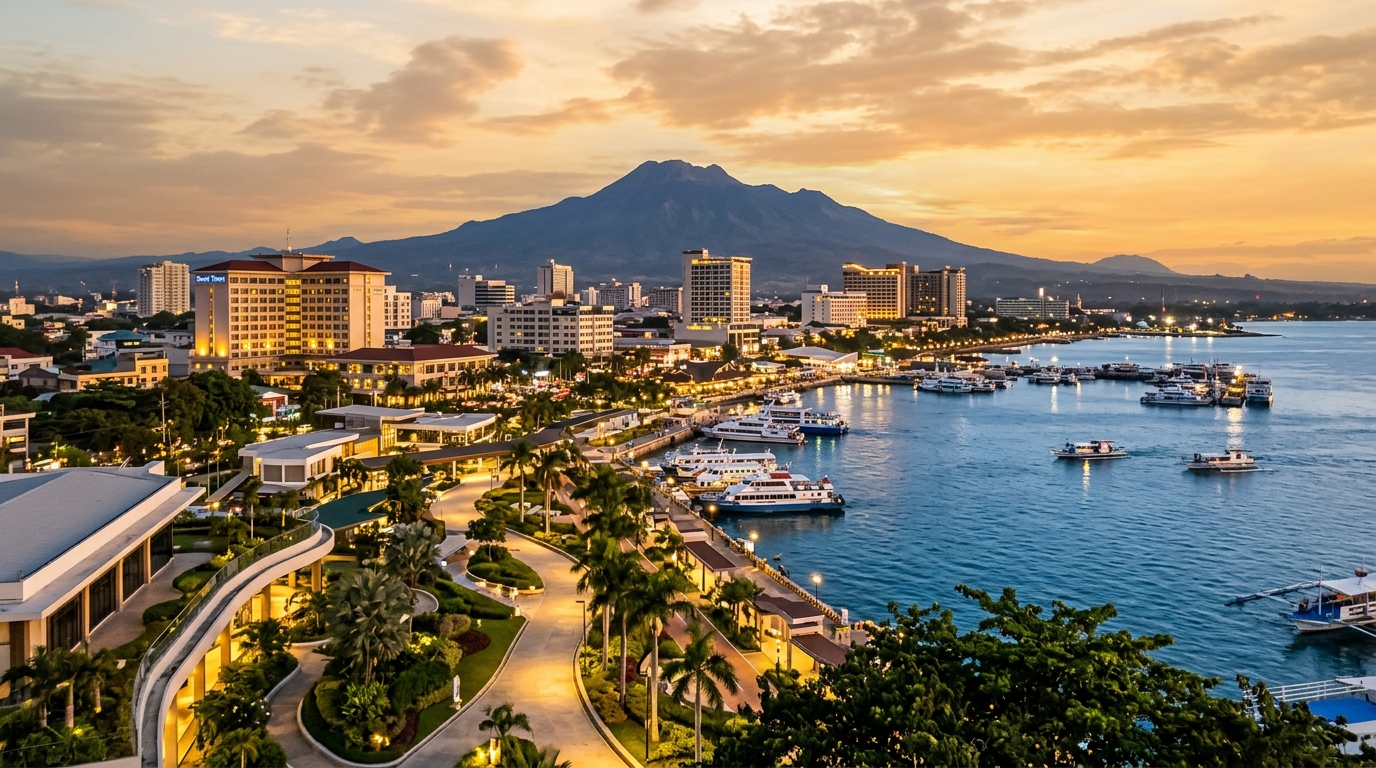
Davao — The city’s tourism sector is maintaining a robust growth trajectory throughout mid-2026, bolstered by a 19 percent increase in visitor arrivals during the first quarter. Data from the City Tourism Operations Office indicates that domestic travel remains the primary engine for this expansion, with the city welcoming over 525,000 visitors between January and March. This positive trend has continued into the second quarter, demonstrating the city’s enduring appeal as a hub for both business and leisure. By leveraging its reputation for safety and infrastructure, the city is successfully attracting a steady stream of travelers even amidst broader economic shifts.
Cultural Festivals Drive Interest
The month-long Duaw Davao festival has become a central focus for the city's tourism strategy, with officials aiming for 250,000 total visitors for the summer season. By offering a diverse calendar of 18 distinct events—ranging from sports tournaments to parades—the city provides a compelling reason for tourists to extend their stay. This strategy of moving away from fragmented, short-term activities toward a longer, integrated celebration is paying off in visitor numbers. As the festival progresses, it serves as a key showcase for local talent and culture, drawing crowds from across the Philippines.
Infrastructure and Accessibility
Ongoing investments in infrastructure and the city’s connectivity have been pivotal in supporting this rise in tourism. The focus on high-quality meetings, incentives, conferences, and exhibitions (MICE) facilities ensures that the city remains a top destination for professional gatherings. These developments are complemented by plans for a new digital "Davao Tourist Passport," designed to simplify the visitor experience by consolidating promotions and travel packages into a single application. By modernizing its approach to visitor management, the city is successfully adapting to the expectations of the modern traveler.
A Resilient Destination
Even when faced with external challenges, such as the geological activity recorded in late June, the city’s commitment to safety and transparency has helped maintain public confidence. Local government units have prioritized thorough venue inspections to ensure that events proceed without compromising the welfare of attendees. This proactive stance is a hallmark of Davao’s governance, where public safety is treated as the foundation for all economic and cultural activities. As a result, the city continues to thrive as a preferred destination, backed by a community that is deeply invested in the city’s collective success.