GENERAL TRIAS, CAVITE — A 3‑hectare bamboo sanctuary in Cavite has earned a distinction no other Philippine destination achieved this year. TIME Magazine named Kaway'an EcoPark to its prestigious World's Greatest Places of 2026, the sole Philippine entry on the annual list of 100 extraordinary destinations. The announcement, made on March 12, put this eco‑themed park on the global tourism map.
Rosie Tsai, president of Citihomes Builder and Development Inc. and the park's developer, said Kaway'an originated from her longtime love of bamboo. She wanted to create a space that would prompt people to love the environment more and encourage social interaction and wellness. The park officially opened in December 2025 after years of development that began in 2019.
A Global Collaboration of Bamboo and Steel
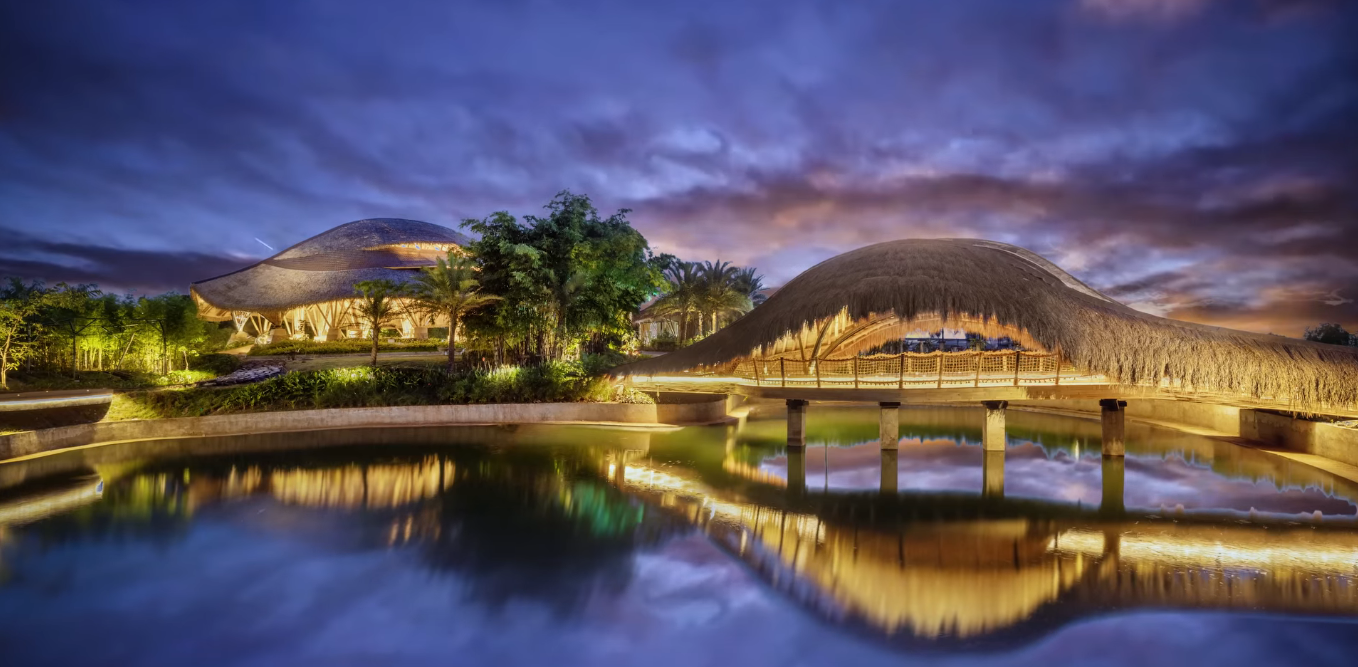
The park is an engineering and design marvel. Filipino architect Christian Salandanan of Sangay Architects led local execution, while Elora Hardy of Bali's Ibuku Studio designed the Marilag Grand Pavilion, the park's defining centerpiece. Structural engineering was handled by London's Atelier One, ensuring the structures withstand Philippine typhoons.
Sixteen Balinese artisans worked alongside local craftsmen on thousands of giant bamboo poles imported from Indonesia. The design marries bamboo with a black steel spine, using geometry instead of weight to create wide, resilient spans. Elizabeth Wang, the park's general manager, explained that carefully engineered slits in the pavilion's soaring roofline allow the structure to "breathe" and reduce wind pressure during extreme weather.
A Sanctuary for Relaxation and Education
TIME travel writer Cynthia Rosenfeld described the park as an oasis featuring a 533‑square‑meter open‑air pavilion engineered to withstand typhoons and a swooping Marahuyo Bridge arching over a lagoon. Activities include horseback riding, bamboo bike rental, boating, fishing, picnicking, birdwatching, and yoga. The park also houses a greenhouse growing hydroponic lettuce and dragon fruit.
The greenhouse serves an educational purpose. Wang noted that many children today have never seen a living chicken, so the park pushes for school tours. Native trees have been planted across the grounds. A composting machine provided by the local government collects biodegradable waste and turns it into fertilizer.
A Testament to Filipino Resilience
Tsai said bamboo represents the Filipino spirit: resilience, perseverance, and strength. "I love how the bamboo bends to the wind and yet it rises again," she said. The park reframes what was once called "poor man's timber" into a foundation for climate‑resilient design and outdoor education.
Department of Tourism Region IV‑A Director Marites Castro attended the press tour, underscoring the national government's recognition of the park as a flagship eco‑tourism asset. The park previously won two LIT Lighting Design Awards in 2025 for its warm, energy‑efficient lighting that accentuates the bamboo columns and creates a gentle radiance on the lagoon waters.
A Growing Destination
Kaway'an EcoPark currently hosts about 1,000 visitors monthly, with an entrance fee of ₱100 per person. Future plans include glamping facilities, a swimming pool, and a potential Airbnb setup. The park is open Tuesday through Sunday and welcomes pets on leashes and in diapers. For Tsai and her team, the TIME recognition is both an honor and a responsibility to represent the best of what the Philippines has to offer.