A significant shift in global energy dynamics is underway, with major Asian economies, including the Philippines, India, Vietnam, Indonesia, Thailand, China, and Middle Eastern hubs like Qatar and the UAE, actively recalibrating their energy strategies. This move comes in response to growing risks in the Middle East energy supply, prompting a collective push towards a renewable energy future. The implications are far-reaching, poised to reshape travel connectivity and long-term economic security across the continent and beyond.
Mitigating the Strait of Hormuz Supply Blockade Amid Operation Epic Fury
This global pivot is not merely an environmental initiative; it is a strategic imperative driven by geopolitical uncertainties and the volatile nature of traditional energy markets. For the Philippines, being part of this group signifies a crucial moment for national development and economic resilience. The transition to renewable energy sources, while promising new industries and jobs, also presents challenges for adapting existing workforces and infrastructure. For millions of Filipinos working abroad, particularly OFWs in energy-rich Middle Eastern nations, these shifts could alter the landscape of their employment, the cost of travel, and the stability of remittances sent home.
Navigating the 2026 National Energy Emergency and Re-Anchoring Domestic Inflation
The reshaping of Asia’s energy future directly impacts the Philippines' economic trajectory. A stable and affordable energy supply is fundamental for industrial growth, job creation, and sustaining the national economy. As countries like the Philippines invest in renewable energy, new sectors requiring specialized skills will emerge, potentially creating opportunities for a skilled Filipino workforce both domestically and internationally. Conversely, a decline in traditional energy sectors could affect the demand for certain types of labor, necessitating a proactive approach to skills development and re-training for current and aspiring OFWs. The cost of energy also influences everything from manufacturing to transportation, directly affecting the prices of goods and services, and thus, the purchasing power of Filipino families.
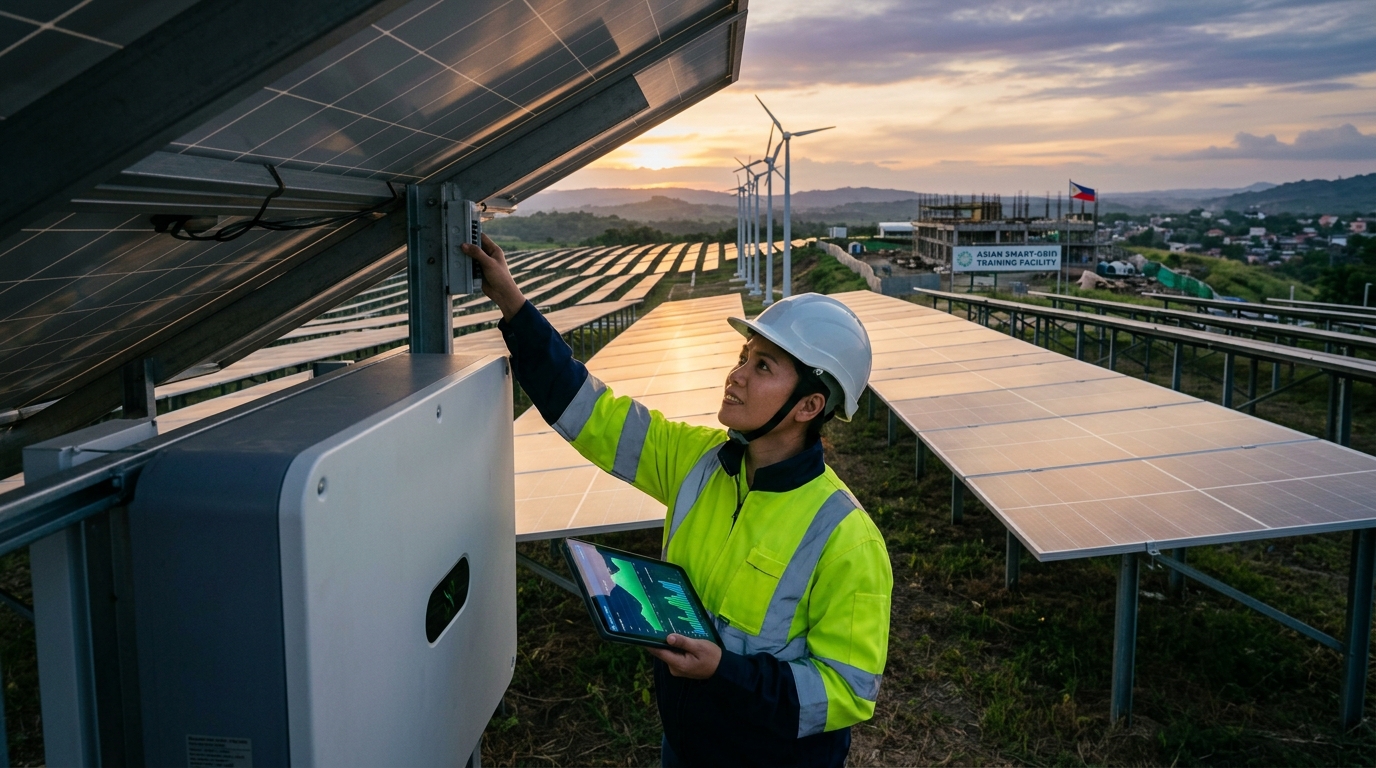
Upskilling the Labor Force for the Emerging Asian Smart-Grid Corridor
Filipinos, whether residing in the Philippines or working as OFWs, should closely monitor these evolving energy landscapes. The push for renewables could open doors for those with skills in green technology, engineering, and sustainable development. OFWs currently employed in traditional energy sectors may need to consider upskilling or reskilling to remain competitive in a changing global job market. Furthermore, changes in travel connectivity and costs, influenced by energy prices and sustainability efforts, could impact the ease and expense of returning home or migrating for new work opportunities. Staying informed about these global economic and energy shifts is crucial for making strategic personal and professional decisions that safeguard long-term economic security for every Filipino.