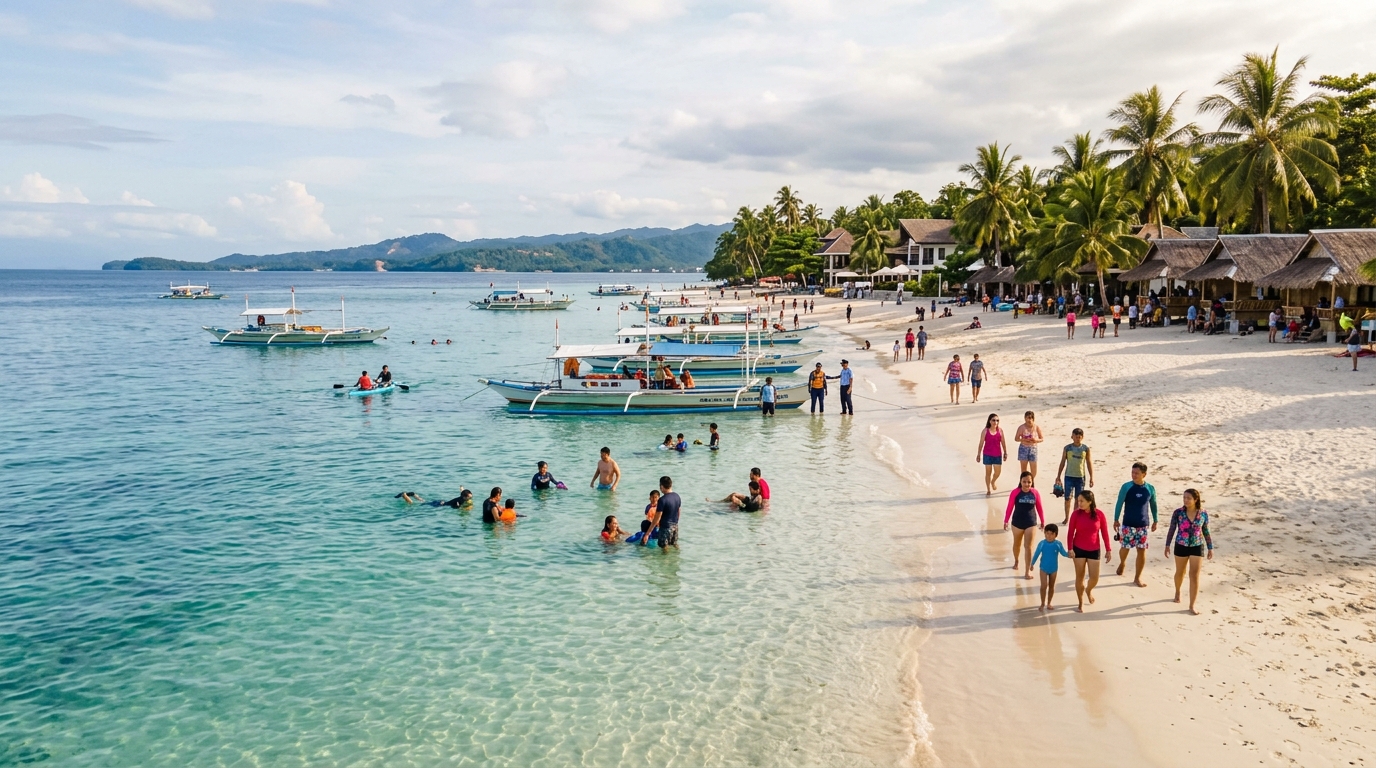
The Island Garden City of Samal (Igacos) is basking in a tourism surge, with nearly 50,000 visitors recorded during the recent peak holiday period. As of late April 2026, the island’s beaches and inland resorts remain at high capacity, driven by domestic travelers seeking a tropical escape. Local authorities reported a safe and orderly environment with zero maritime casualties, reinforcing Samal’s reputation as a reliable family destination. The accessibility from Davao City continues to make it the primary "weekend getaway" for the entire region.
Record-Breaking Foot Traffic at Beach Resorts
The official "Samal Island Tourist Arrival Report" confirms that over 47,000 tourists visited the island’s pristine shores between early April and the current week. While the majority are domestic travelers, there has been a notable uptick in foreign visitors arriving for the 2026 season. Overnight stays have dominated the statistics, indicating that tourists are looking for a deeper, more relaxed island experience. Popular spots like Kaputian and various private resorts are currently reporting high engagement for water-based activities.
Unprecedented Safety and Orderly Travel
Maritime authorities have been highly successful this month, overseeing more than 269,000 passenger movements across regional ports without a single incident. The "OPLAN Biyaheng Ayos" initiative has ensured that all motorbancas and ferries adhere to strict safety standards for the safety of travelers. This rigorous monitoring has boosted traveler confidence, making the short boat ride from Davao City more appealing than ever. Security personnel remain deployed across major tourist hubs to maintain the generally peaceful atmosphere recorded by the police.
Sustainability in an Island Paradise
With the surge in visitors, the Igacos government has stepped up its "Clean Samal" campaign to manage the environmental impact of high-density tourism. Resorts are being closely monitored for waste management compliance to ensure the island’s white sands and clear waters remain pristine. Educational booths at major entry points now provide tourists with guidelines on responsible snorkeling and coral reef protection. This proactive stance is crucial for preserving the natural assets that drive the island's multi-million peso tourism economy.