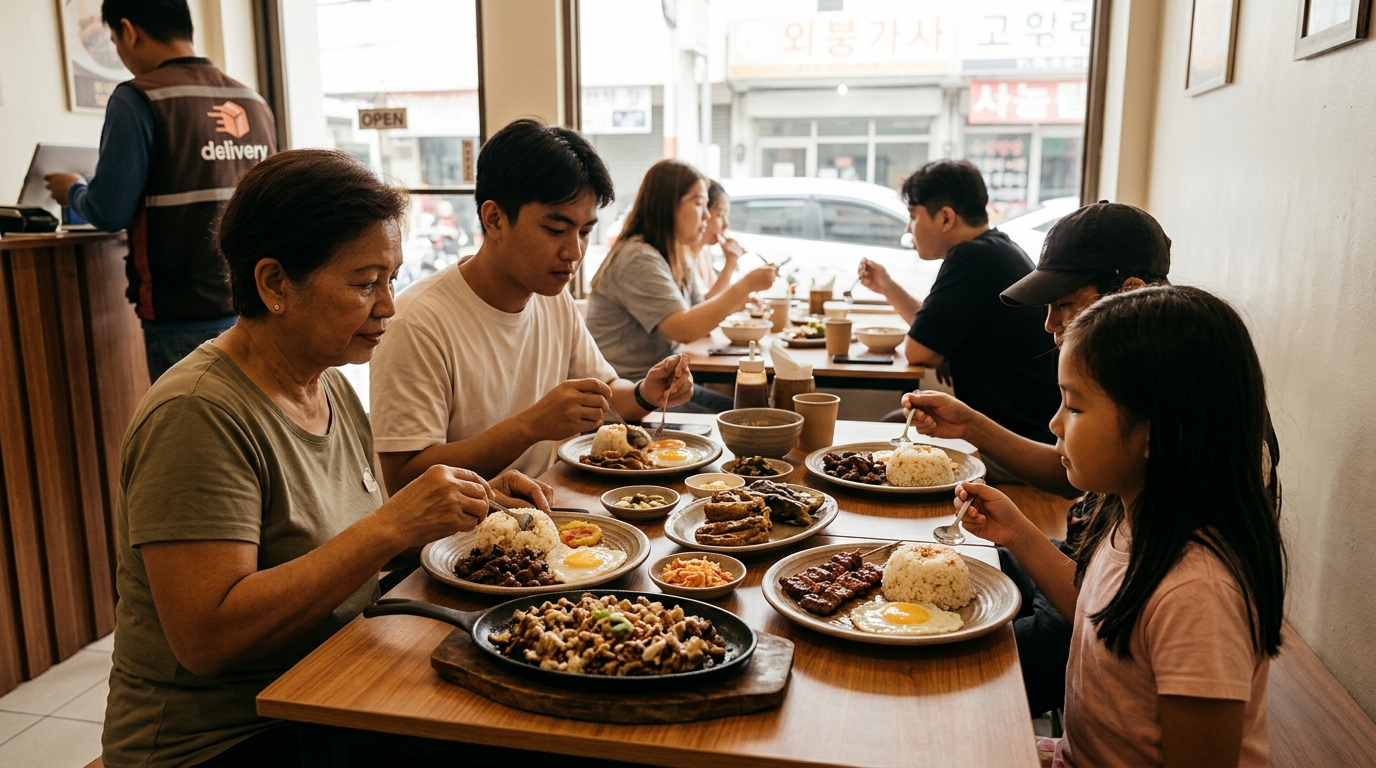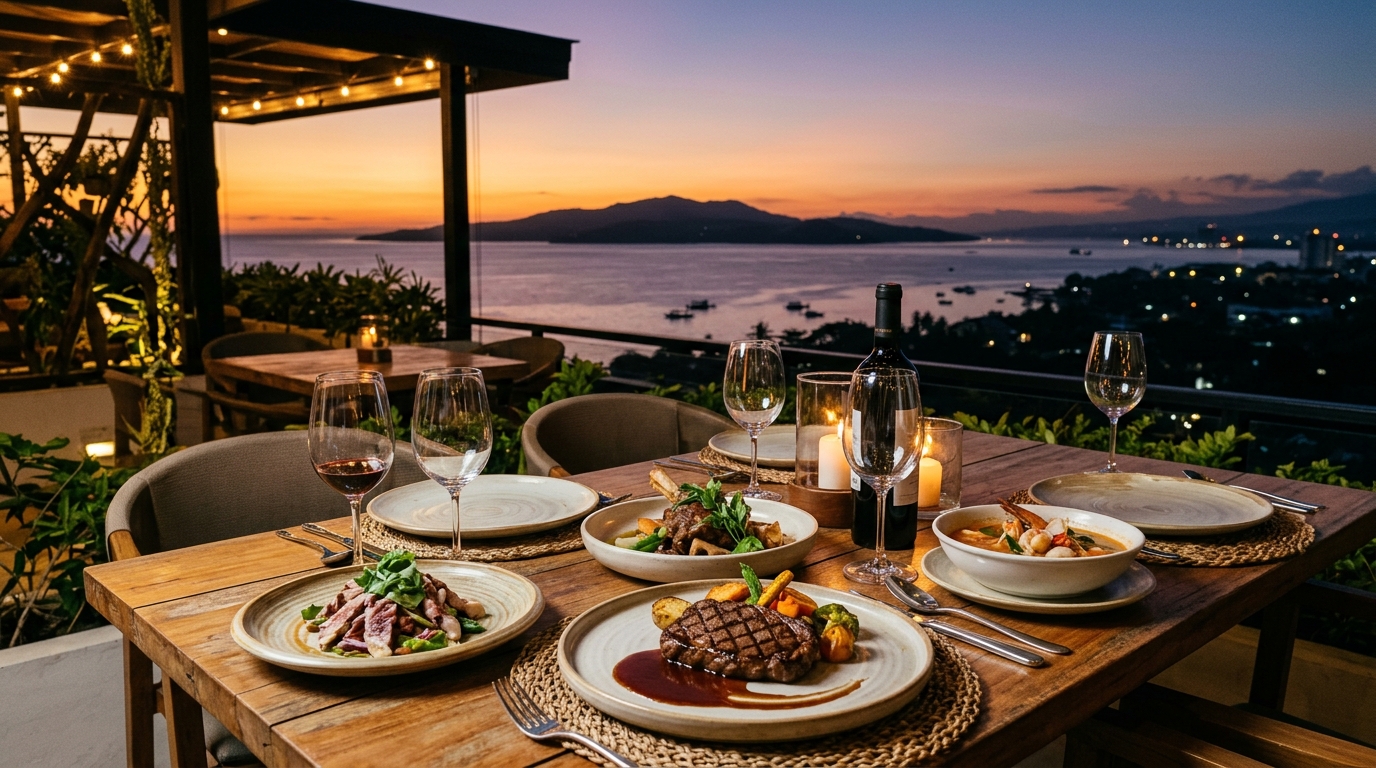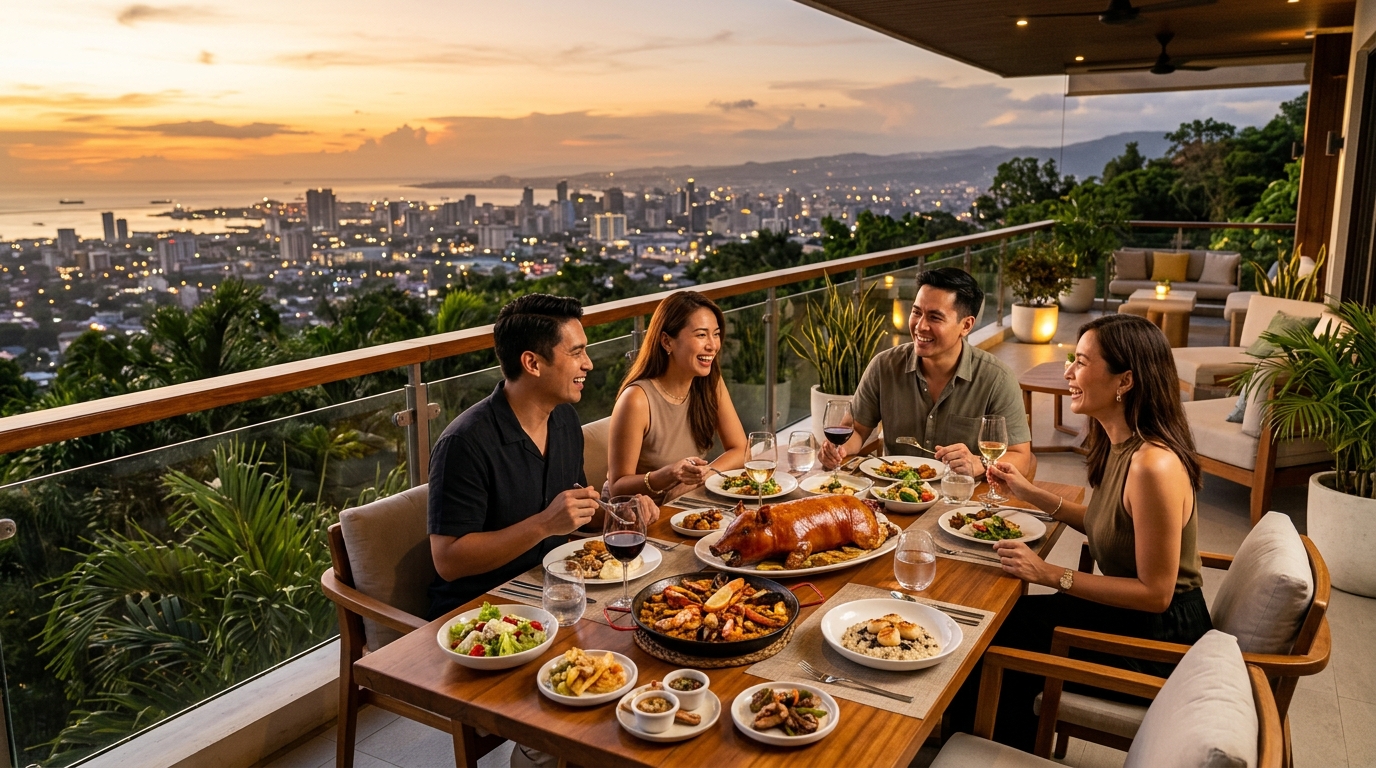
With diverse offerings ranging from Southeast Asian cuisine at Rural Kitchen and Locavore Kitchen & Drinks to traditional Filipino favorites, Cavite is positioning itself as a food tourism destination that appeals to both local foodies and visitors.
A Culinary Tapestry Woven by History
Cavite's cuisine is a living testament to its rich and cosmopolitan past. Between 1565 and 1815, the province was one of the most bustling commercial centers in the world, as galleons from Acapulco and Chinese merchants docked in Cañacao Bay, exchanging goods like silk, porcelain, and precious Mexican silver . This vibrant trade introduced ingredients that would forever shape local cooking—peanut, chili pepper, cacao, corn, and pineapple became staples, and it's believed that quesillo (kesong puti) was brought to Cavite by the Mexicans .
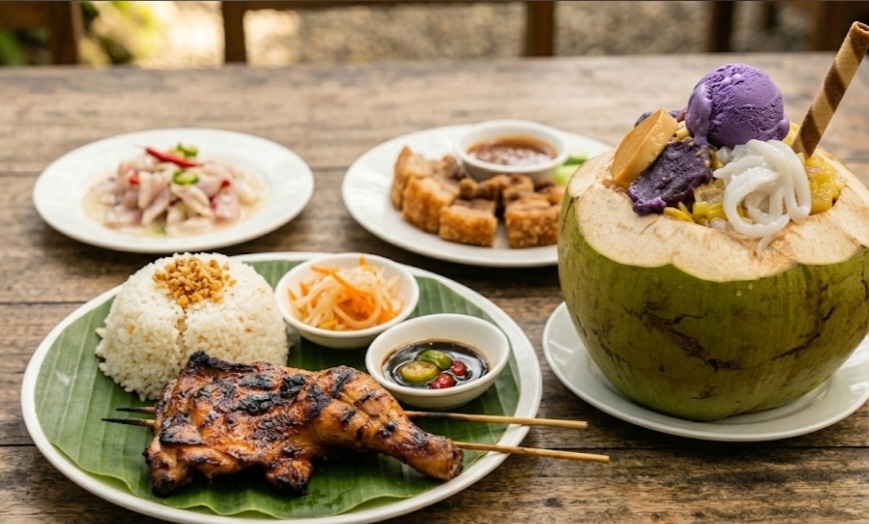
The resulting cuisine is defined by a unique philosophy called terno-terno and tono-tono, where dishes are intentionally paired to create a complex, harmonious flavor profile . For instance, the nutty richness of kare-kare is traditionally complemented by the sour and savory adobong baboy at manok sa achuete, while sinigang na bangus is paired with ukoy . Today, visitors can experience this culinary heritage at beloved establishments like Calle Real in Cavite City, which serves authentic Caviteño dishes using recipes passed down through generations.
Modern Destinations and Heirloom Treasures
While Cavite's heritage cooking forms its foundation, the province's food scene continues to evolve with exciting modern destinations. The city of Tagaytay has firmly established itself as a premier food destination, having attracted over a million domestic visitors and now hosting a diverse range of culinary experiences . The Tagaytay Food Festival brings together the city's best restaurants to showcase the variety and innovation in the area, proving that its gastronomic culture continues to thrive .
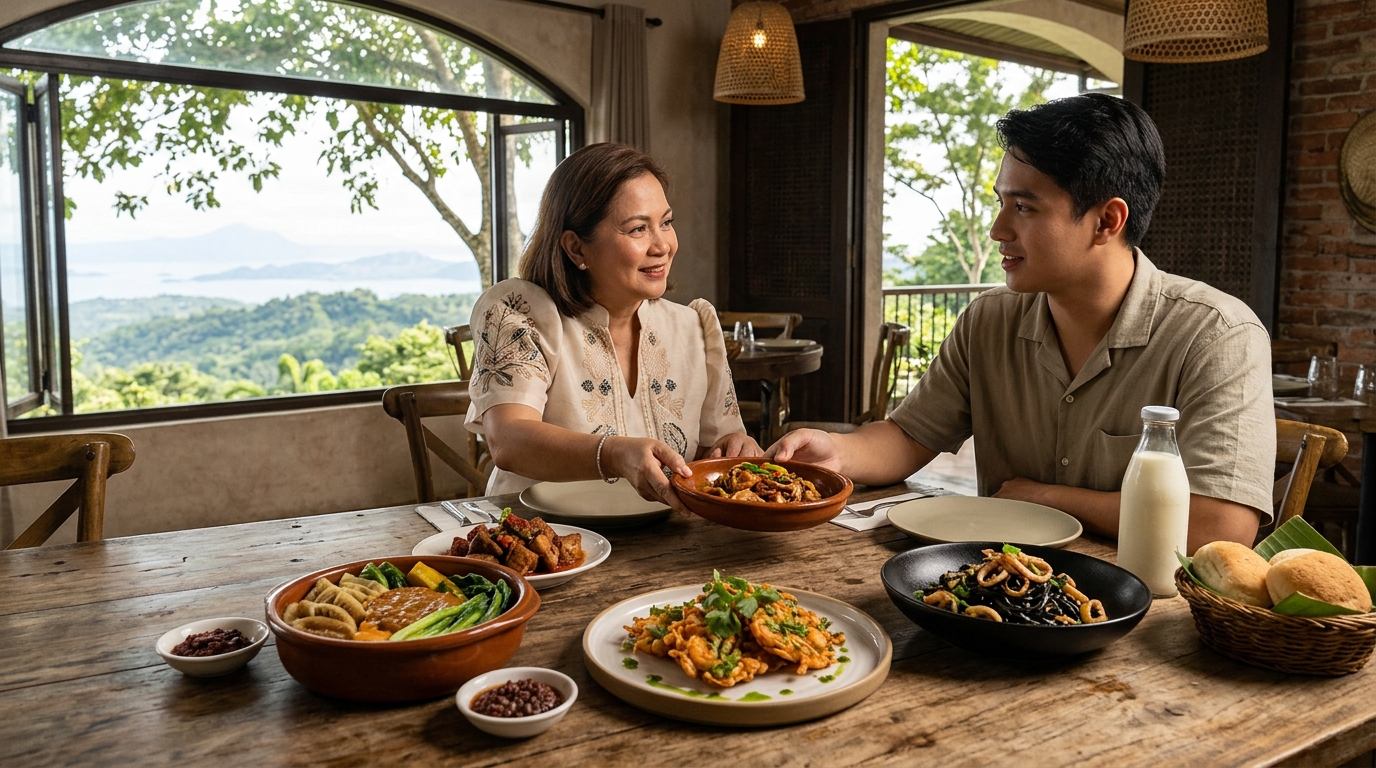
Restaurants like Locavore Kitchen & Drinks in Bacoor put a modern, playful spin on Filipino street food, while Rural Kitchen & Catering presents beautifully plated twists on traditional favorites. For those seeking global recognition, Cavite now boasts MICHELIN-starred and MICHELIN-selected establishments, including Asador Alfonso in Alfonso, which earned a MICHELIN Star less than two years after opening, and Antonio's, a MICHELIN-selected fine-dining restaurant set in a restored Spanish home . These prestigious recognitions place Cavite firmly on the international culinary map.
The Future of Cavite's Food Tourism
Cavite's unique position as a province where history and modernity converge makes it an ideal destination for food tourism. The growing interest in Philippine heritage cooking, driven by a desire to preserve Filipino culinary identity from inauthentic renditions, has brought Cavite's unique flavors into the spotlight . Restaurants like Bernie's Kitchenette in Cavite City and the Abad Heritage House in Tanza offer diners a taste of history through dishes like pansit pusit, pipian, and tinumis .
Meanwhile, younger chefs like Matt Pacumio of Cavite Republic Restaurant are modernizing family recipes to appeal to millennial palates while preserving historical relevance . The province's annual Tagaytay Food Festival and the growing presence of world-class establishments demonstrate that Cavite is not just a stopover—it is a destination worth savoring. As food tourism continues to grow, Cavite is proving that its culinary offerings are as rich and diverse as its history, inviting visitors to taste the stories that have shaped the province for centuries.