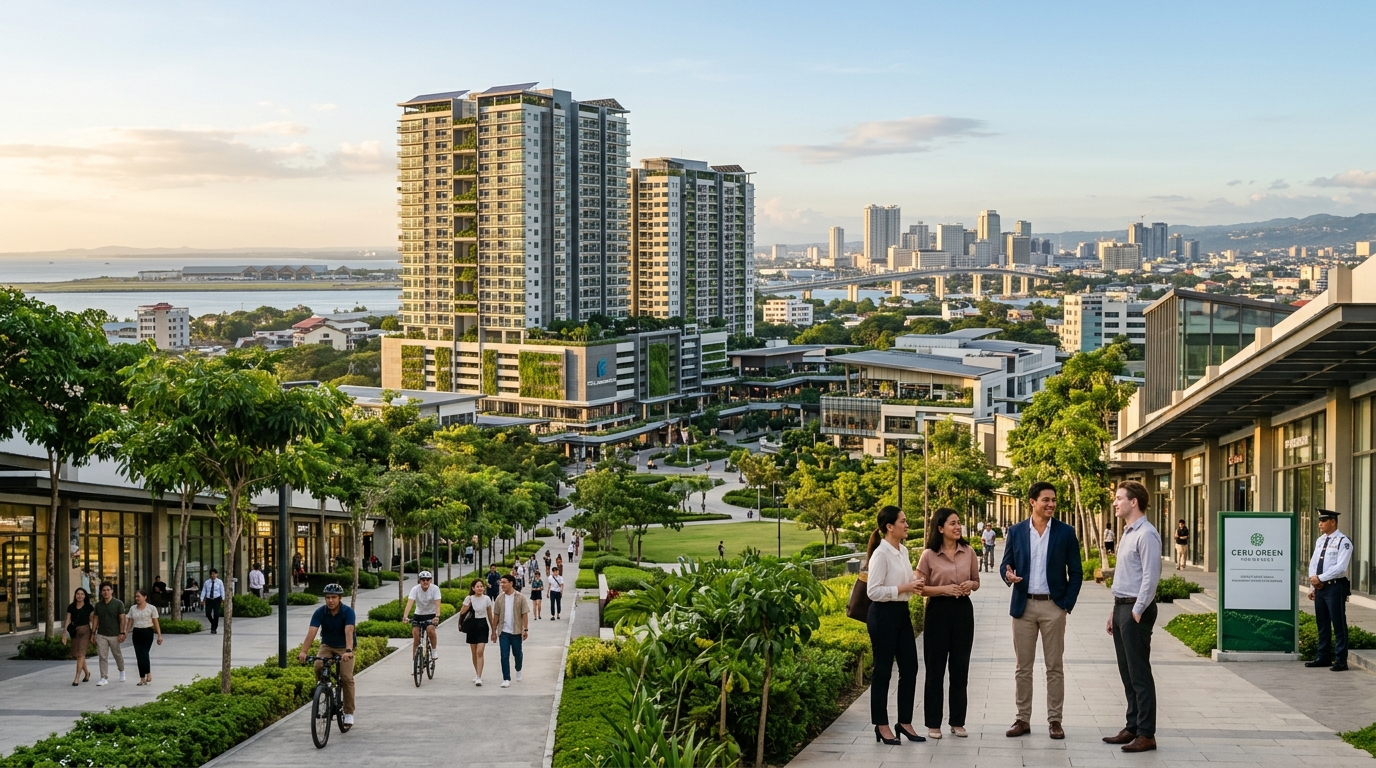
Cebu — Despite shifting regional dynamics, Metro Cebu continues to maintain its status as a robust hub for real estate investment. Property research indicates that the demand for mixed-use developments and residential spaces remains high, driven by the city’s established infrastructure and diverse employment opportunities. As investors look for long-term value, the focus has increasingly moved toward integrated communities that prioritize sustainability and livability. This trend confirms that Cebu remains a top-of-mind destination for those looking to invest in the growing potential of the Visayas-Mindanao corridor.
Sustaining Demand Through Diversification
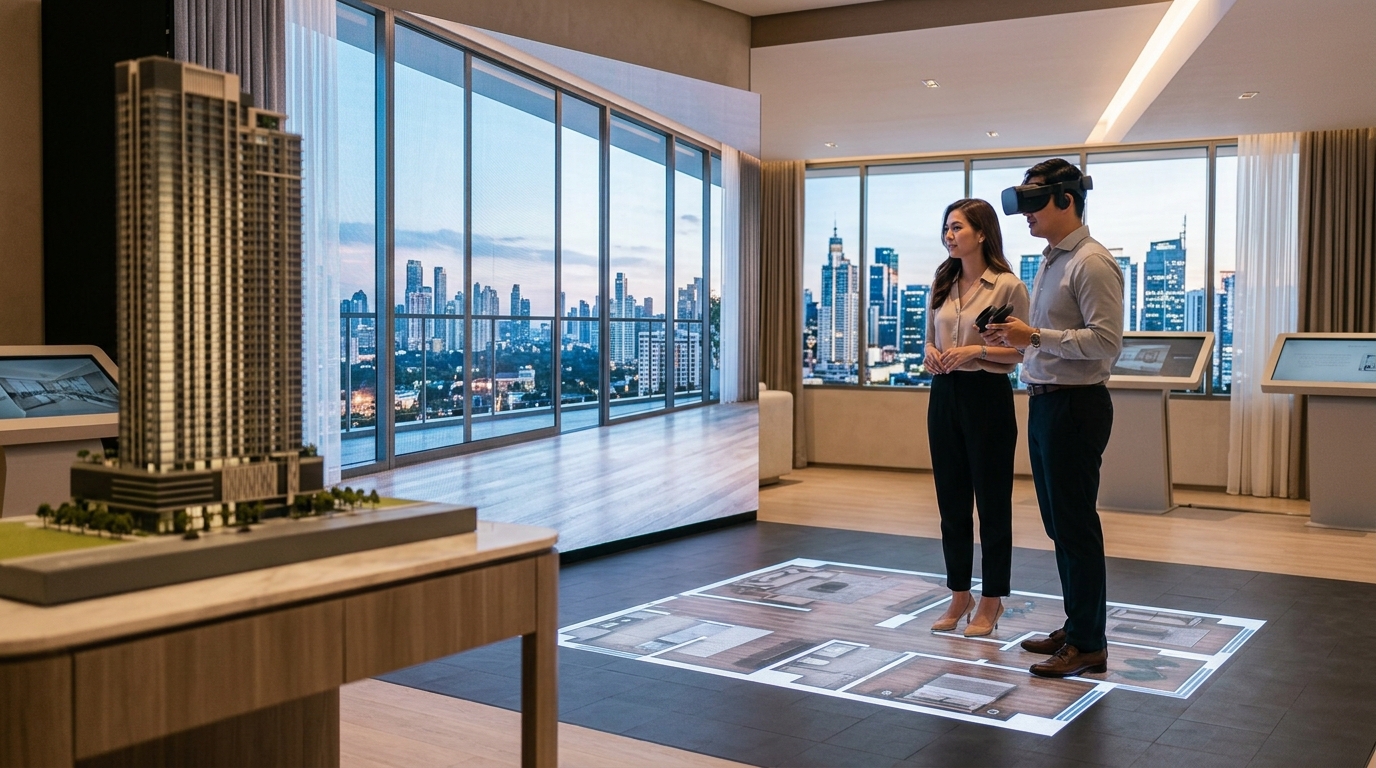
The property market's resilience is largely attributed to its ability to adapt to changing buyer preferences, such as the increasing demand for energy-efficient homes. Developers are actively integrating green technologies and wellness features into their new projects, recognizing that these aspects are now critical for long-term value. This shift toward future-proof living spaces ensures that Cebu’s real estate market continues to attract a diverse range of buyers, from local end-users to national and international investors. By consistently raising the bar for construction quality, the region remains a highly competitive market.
The Role of Key Urban Corridors
Growth is not limited to the traditional centers of the city, as emerging hubs like Naga and San Fernando are increasingly positioned as future centers for urbanization. These areas are benefiting from the spillover effect of infrastructure developments, providing attractive alternatives for those seeking residential and commercial spaces. This geographical expansion allows the city to grow in a more balanced manner while maintaining its status as a primary regional hub. Such regional growth is essential for spreading economic benefits and reducing the strain on central urban districts.