Before the Market Opens
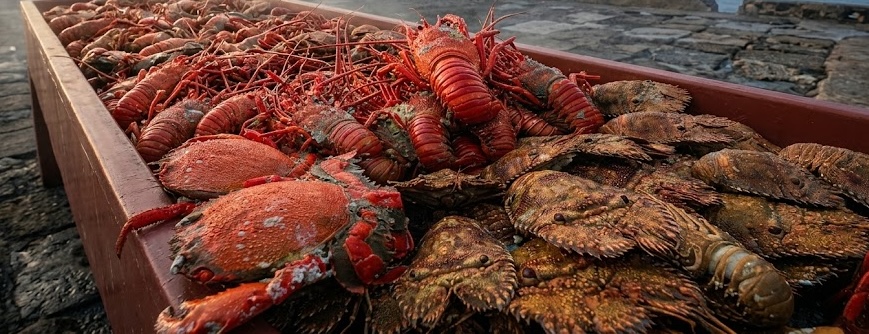
GENERAL SANTOS CITY - The journey of seafood begins long before customers arrive at markets or restaurants. Workers coordinate transportation, handling, storage, and distribution to ensure products remain fresh and available. Timing is essential because freshness directly affects quality, safety, and value. Every participant, from fishers to vendors, contributes to a larger system that operates continuously behind the scenes. While consumers typically see only the final product, the seafood industry depends on the coordinated efforts of many individuals working together to maintain efficiency and meet daily demand.
The Business of Coordination
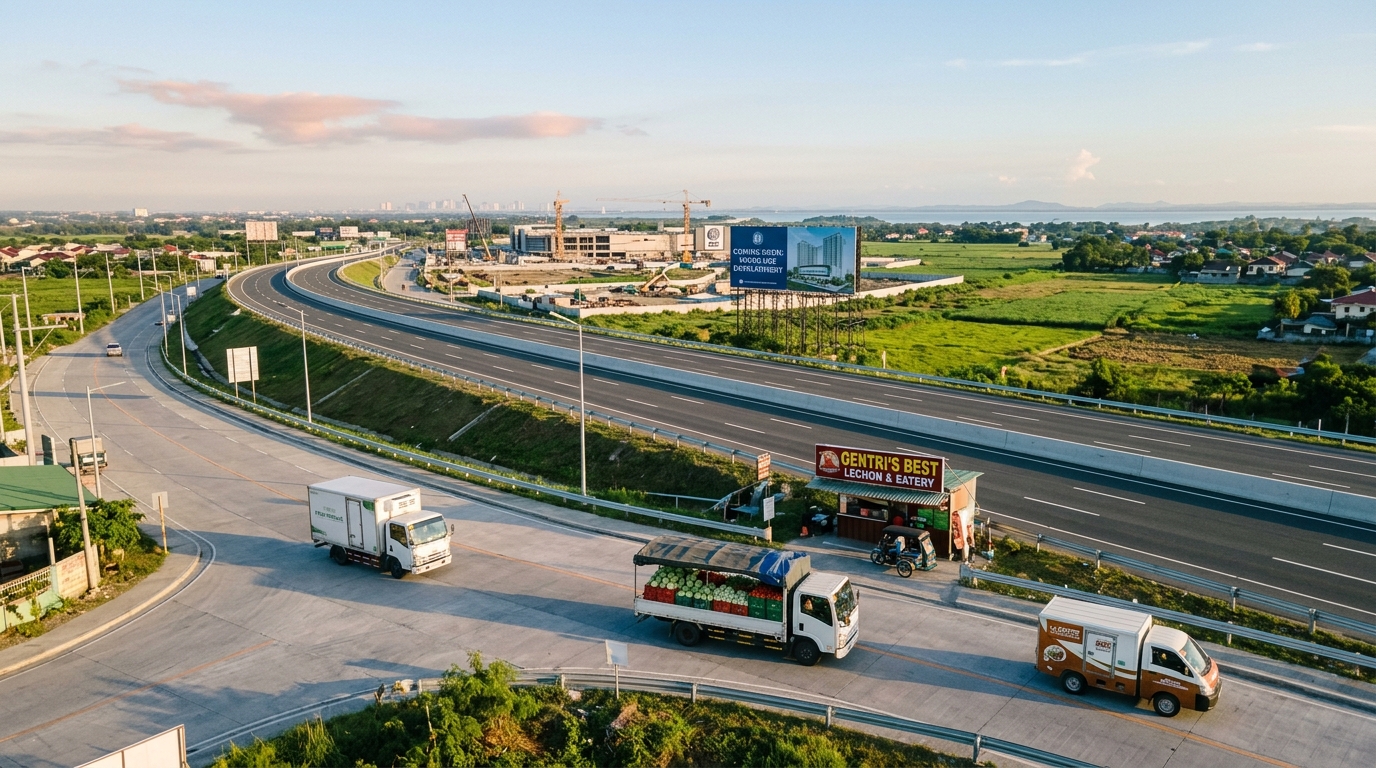
Food systems rely on organization as much as production. Traders must balance supply and demand while managing logistics across multiple locations. Vendors depend on reliable deliveries, and consumers expect consistent availability. This coordination requires communication and adaptability. The ability to move products efficiently contributes to both economic activity and consumer confidence. Food stories therefore involve infrastructure and commerce alongside culinary traditions.
Understanding the Full Journey
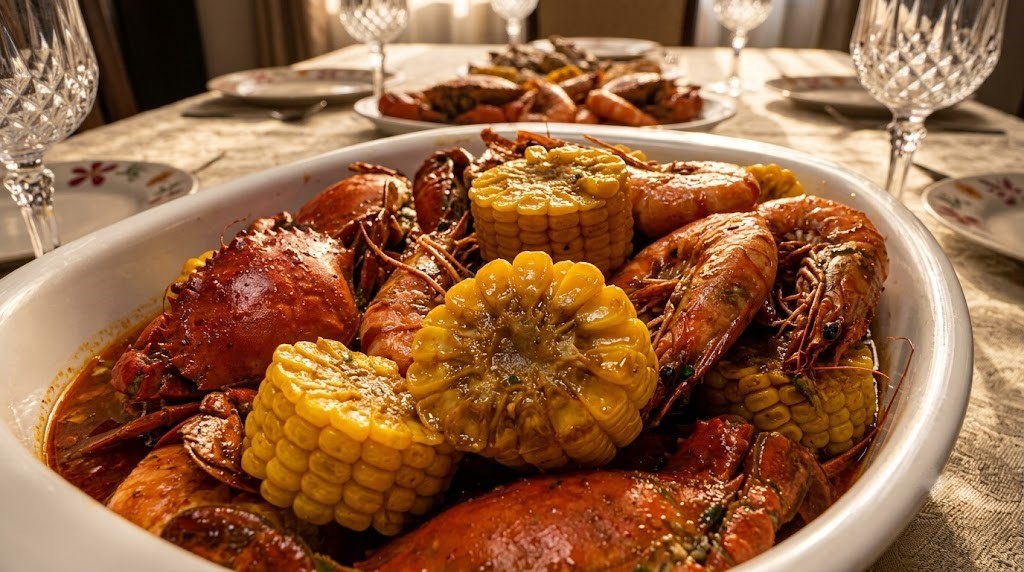
Food often represents the final chapter of a much longer story involving many people and processes. Appreciating a meal becomes easier when considering the farmers, fishers, suppliers, vendors, and businesses that help bring products to the table. In General Santos City, the seafood economy reflects a network of interconnected activities that support livelihoods, economic growth, and local identity. Looking beyond the finished dish provides a broader understanding of the city's food culture and highlights the relationships that make it both distinctive and sustainable.