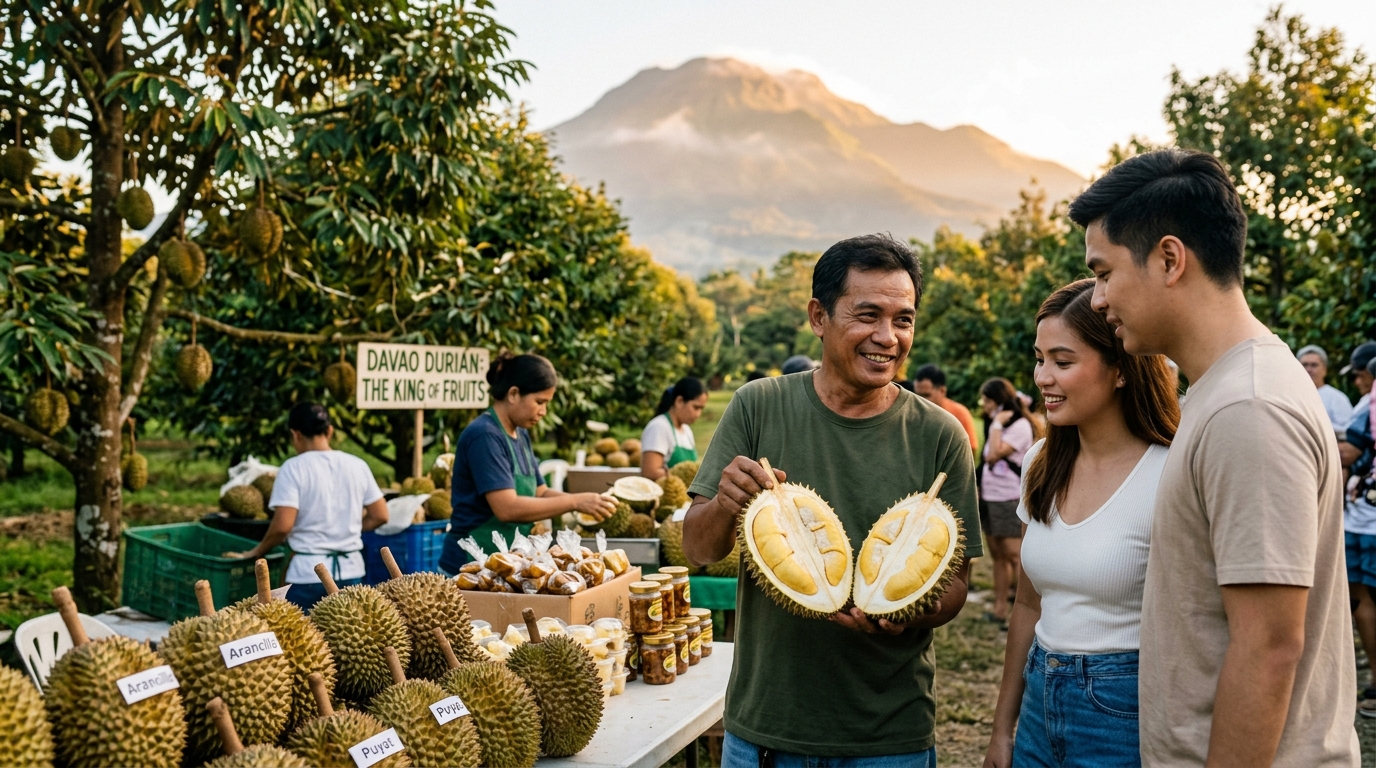
Davao — For the uninitiated, the durian is a culinary enigma—a spiky, formidable fruit famous for its pungent aroma and intense, custard-like flesh. But in the Philippines, particularly in the "Durian Capital" of Davao City, this "King of Fruits" is far more than an acquired taste; it is the star of a vibrant, creative dessert scene. From humble roadside candies to gourmet cheesecakes, durian has been transformed into a versatile ingredient that elevates Filipino sweets to a level of richness and complexity found nowhere else in the world.
The Sweet Science of Durian Confections
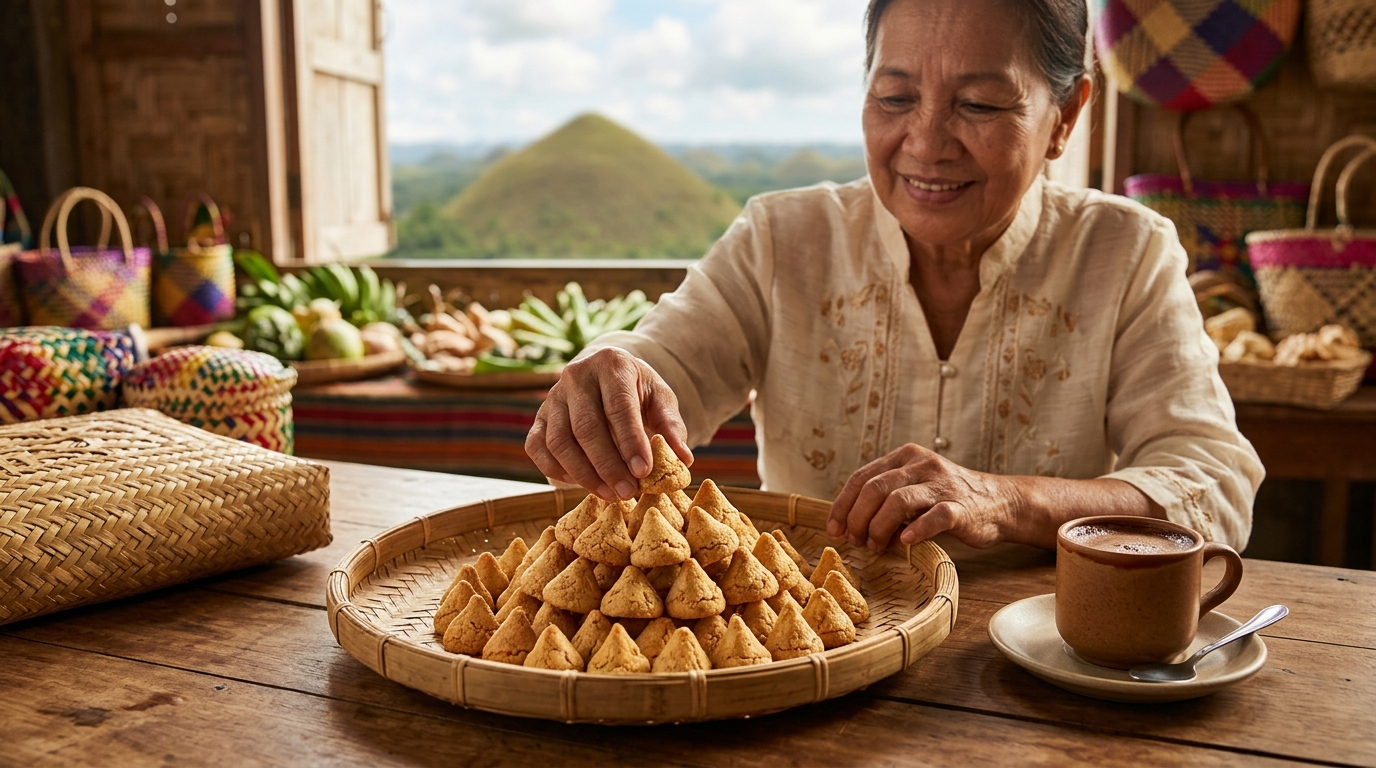
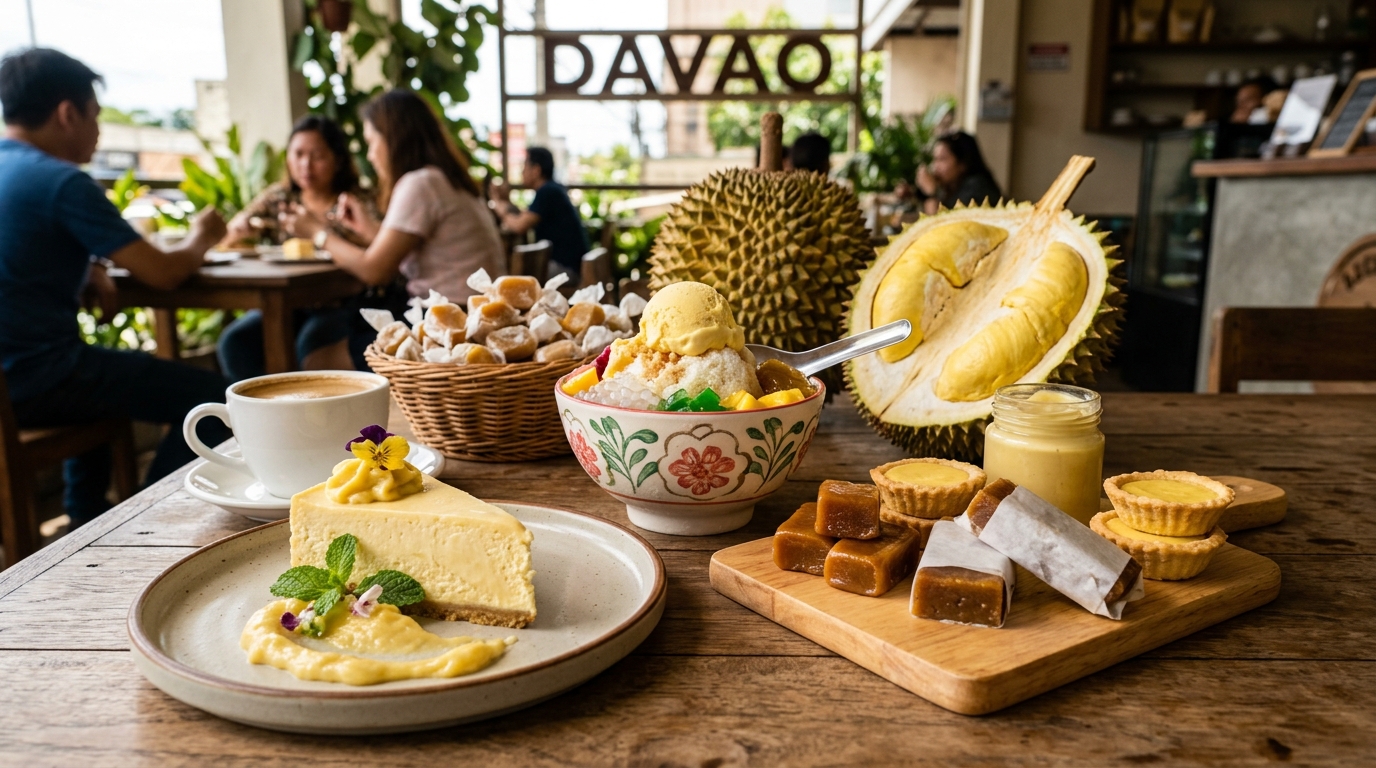
The versatility of durian lies in its naturally creamy, fatty, and sweet pulp, which makes it an ideal substitute for dairy-based fats in various dessert recipes. Davao’s confectionery giants, such as Lola Abon’s and Apo ni Lola, have perfected the art of durian preservation, creating soft, chewy treats like yema, durian-infused bars, and creamy spreads that capture the fruit’s bold flavor without the raw intensity of the fresh fruit. These candies, often paired with coffee or cheese, have become iconic pasalubong (souvenir) staples, allowing travelers to bring a taste of Davao home. The evolution continues with innovations like durian-filled tarts, macaroons, and even mallows, all designed to showcase the fruit's characteristic "funk" in a more palatable, snackable form.
Gourmet Creations and Chilled Delights
Moving beyond the candy aisle, Davao’s cafe culture has elevated durian into a high-end dessert ingredient. Local favorites like Lachi’s have gained cult status for their durian cheesecake, which balances the fruit’s richness with a subtle, velvety sweetness that appeals even to those who aren't traditional durian fans. Meanwhile, frozen treats like durian ice cream, shakes, and the region’s signature durian halo-halo—featuring generous dollops of durian jam and durian ice cream—offer a cooling respite from the tropical heat. Whether it is a durian coffee-ccino from local institutions like Blugre Coffee or an artisanal mousse at a city-view bistro, these creations prove that the King of Fruits is not just a seasonal obsession, but a foundational pillar of Filipino dessert innovation.