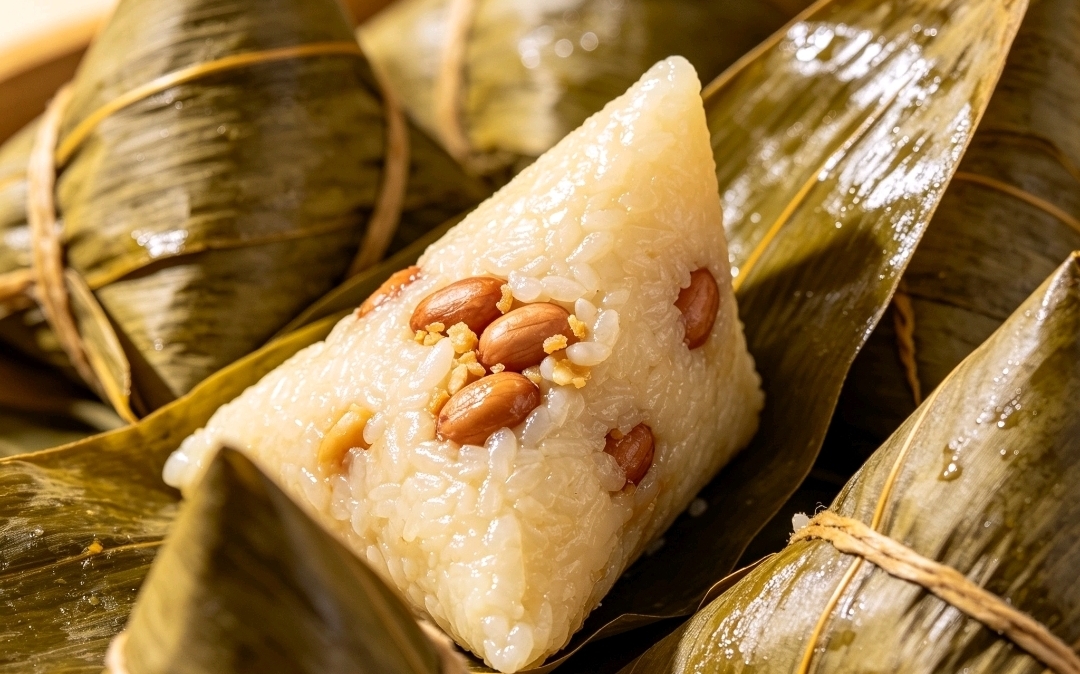
SURIGAO CITY — Sayongsong has long been one of the most beloved dishes of Surigao del Norte. This traditional cone-shaped rice cake, steamed and wrapped in banana leaves, has captivated not only local residents but also visitors from across the Philippines and beyond. More than being delicious, this food is symbolic of the long-standing history of Southeast Asian cuisine. In recent years, sayongsong has emerged as a driver of local tourism, with food enthusiasts traveling through Surigao del Norte making special stops to sample the delicacy.
A Recipe Passed Through Generations
The story of sayongsong is deeply rooted in family tradition. In the Municipality of Mainit, seventy-year-old retired teacher Annie Entendez continues to preserve this cultural legacy. She inherited the recipe from her aunt decades ago and has since become one of the oldest active producers of sayongsong in the province. Her meticulous process—from soaking the rice to mixing with coconut milk and sugar, shaping the cones, and steaming them to perfection—ensures that each piece reflects the authentic flavors and textures cherished by generations of Surigaonons.
The tradition extends beyond Mainit. In the early 1960s, Nanay Tabing's Native Delicacies began crafting sayongsong in Surigao del Norte, eventually becoming the original maker of the famous delicacy in Mainit town. The recipes were passed down from Octaviana Sevandal Beltran, affectionately known as Nanay Tabing, and carried forward by her family. Their version of sayongsong became renowned for its perfect balance of sweetness and texture, a testament to the meticulous preparation that went into each batch.
What Makes Sayongsong Unique
Sayongsong is made from glutinous rice (malagkit), mixed with coconut milk and sugar, then shaped into cones and wrapped in banana leaves before being steamed to perfection. The banana leaves impart a natural fragrance and subtly influence the flavor during steaming. The result is a light, soft-textured treat with a mild sweetness that is pleasant to the palate. While traditionally ivory-colored, modern variations may sometimes incorporate food-grade coloring or ingredients like ube for aesthetic variety. Others have evolved to include roasted peanuts for added crunch. The delicacy is best consumed while still fresh and hot off the cauldron, and it has a short shelf life of about 24 hours.
From Local Markets to Global Recognition
Sayongsong has become a featured attraction for culinary tourism in Southeast Asia. Local festivals, markets, and holiday events prominently feature the delicacy, providing visitors with a taste of traditional Filipino desserts that are difficult to find elsewhere. The popularity of this rice cake has spurred small-scale entrepreneurship, creating economic opportunities for local vendors while preserving artisanal food practices.
Marbie's Store in Barangay Ipil, near the popular Mabua Pebble Beach, is one of the places where visitors can find sayongsong alongside other traditional kakanin like biko, puto, and nilupak. Travelers consistently recommend it as a must-try when visiting Surigao. As culinary tourism grows globally, sayongsong positions Surigao del Norte as a must-visit destination for food travelers in the Philippines.