A House That Refused to Be Forgotten
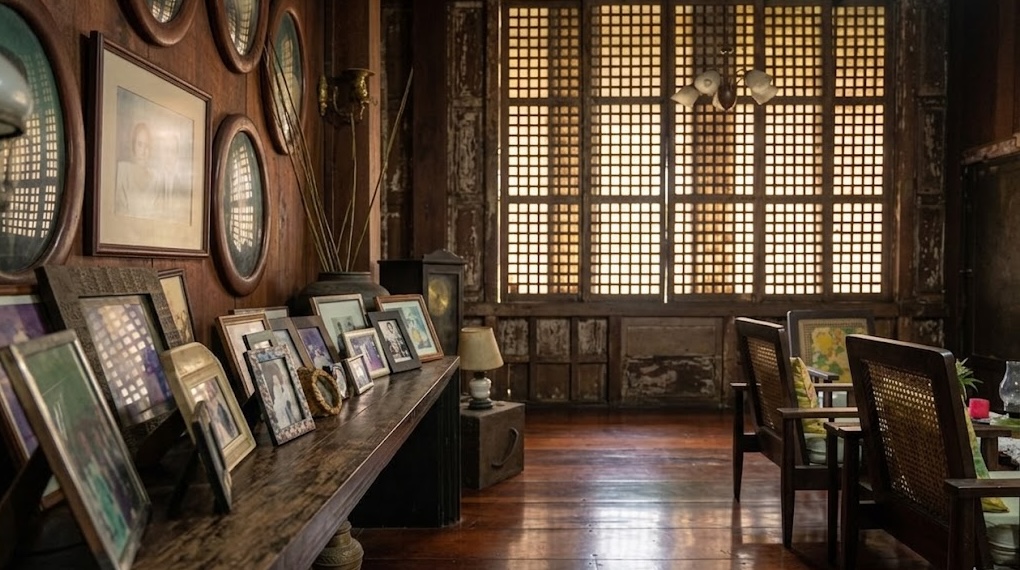
Tucked in Barangay Aguada stands the Rodriguez Ancestral House, one of the city's few remaining colonial-era structures. Its wooden floors and antique furniture preserve memories from another century. The property gained renewed attention after its acquisition for historical conservation, encouraging conversations about heritage tourism in Ozamiz. Travelers often search for beaches and mountains, but old homes can be equally compelling because they provide something landscapes cannot—an intimate look at the people who once shaped a community and the ordinary moments that eventually became history.
Reading History Through Walls
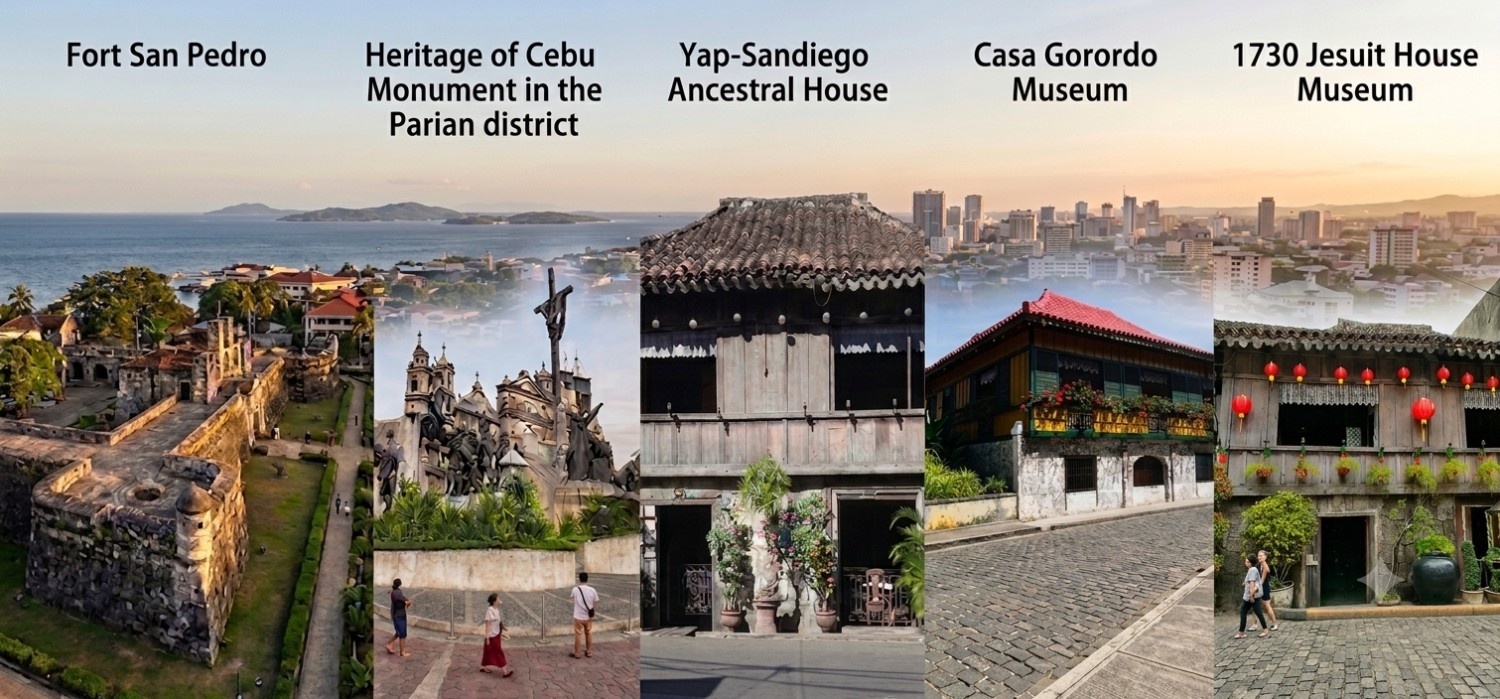
Historic houses have become popular attractions in several Philippine cities because visitors increasingly seek destinations with stories. In Ozamiz, the ancestral house creates an opportunity to connect architecture with local identity. Guides often point to the building's details, from capiz windows to old photographs, as reminders of changing times. A preserved residence can serve as more than a museum; it becomes a place where residents and tourists discuss memory, family, and the transformations that have taken place around them. It also gives younger generations a tangible link to a period they know only through textbooks.
Why Heritage Still Matters
Preserving historical structures often begins with recognizing that progress and memory can coexist. The renewed interest in the Rodriguez Ancestral House has encouraged conversations about cultural destinations beyond the city's familiar landmarks. Travelers who linger in places with preserved heritage frequently discover details that are absent from guidebooks. In a fast-moving age, old houses invite people to slow down and pay attention. For Ozamiz, this quiet structure may become one of its most meaningful attractions because it offers something increasingly rare: a chance to step into the past without leaving the present.