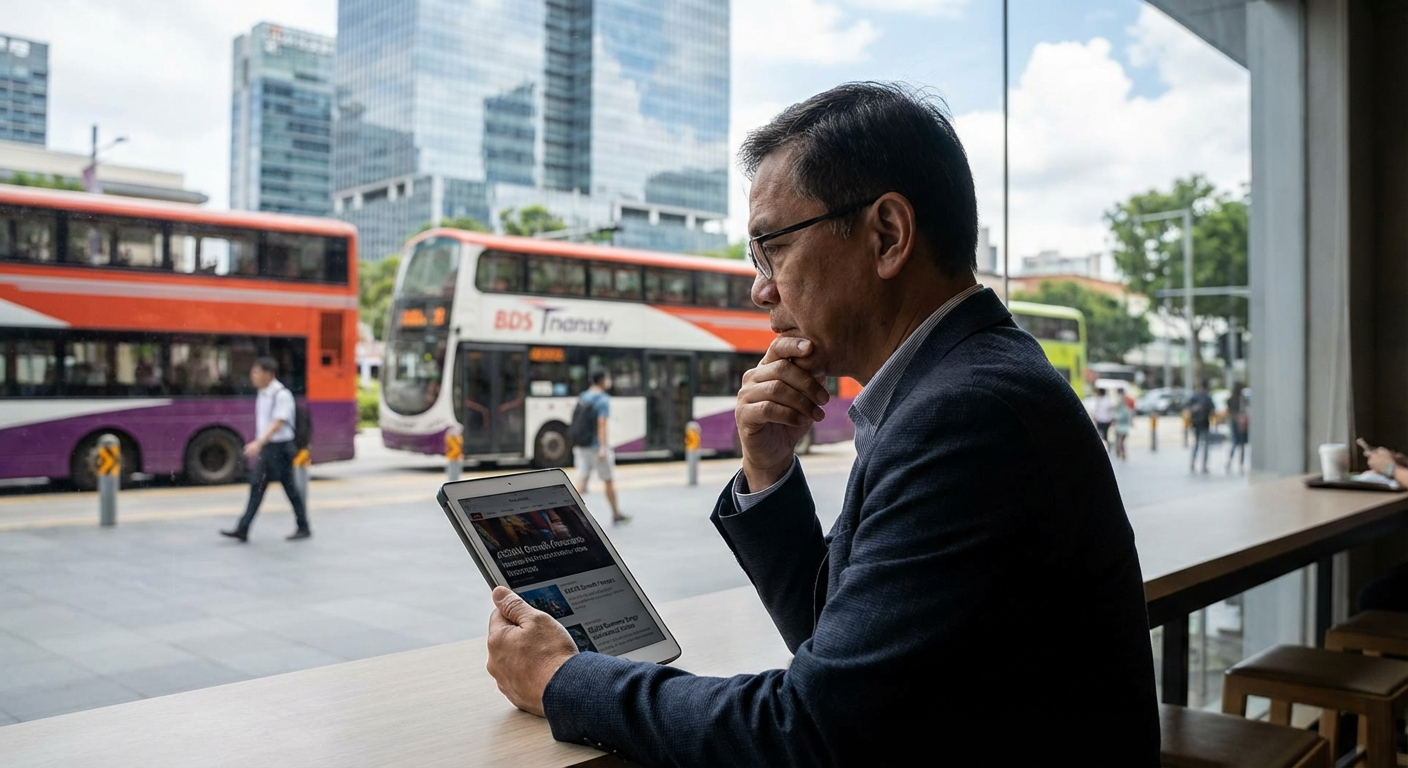
A recent report by Bernama, detailing top news headlines across Indonesia, Myanmar, the Philippines, Singapore, Thailand, and Vietnam on April 12, 2026, serves as a stark reminder of the dynamic nature of Southeast Asia. While the specifics of these headlines were not detailed, their aggregation highlights a critical truth for millions of Filipinos, particularly Overseas Filipino Workers (OFWs): developments in neighboring nations can profoundly impact their lives and livelihoods, both abroad and in the Philippines. For Filipinos working across this vibrant economic bloc, or those with family members remitting earnings from these countries, understanding the broader regional context is not merely an academic exercise. Economic shifts, policy changes, or even social trends reported in the daily news of countries like Singapore, a major financial hub, or the rapidly developing economies of Thailand and Vietnam, can directly influence employment opportunities, working conditions, and the stability of investments for the Filipino diaspora. Why It Matters The economies of Southeast Asia are intricately linked, creating a ripple effect where events in one nation can send tremors across the region. Political stability, new economic policies, or significant infrastructure projects in countries hosting a substantial Filipino workforce can alter the demand for labor, affect wages, and even influence remittance values. For instance, a downturn in a host country's economy might lead to job cuts impacting Filipino employees, while new trade agreements could open fresh avenues for skilled Filipino professionals. Staying abreast of these daily headlines, even in summary form, provides a crucial barometer for OFWs navigating their professional landscapes and for families in the Philippines relying on their support. What Filipinos Need to Know This continuous flow of regional news on April 12, 2026, and beyond, emphasizes the importance for every Filipino to cultivate a habit of informed vigilance. Reliable news sources are invaluable for monitoring the economic health and social climate of countries where they reside or where their loved ones work. This knowledge empowers them to anticipate potential challenges, identify new opportunities, and make proactive decisions regarding their employment, finances, and long-term plans for themselves and their families back in the Philippines. Understanding the regional pulse is key to resilience and strategic planning for the global Filipino community.