The Shift Away From the Sidelines
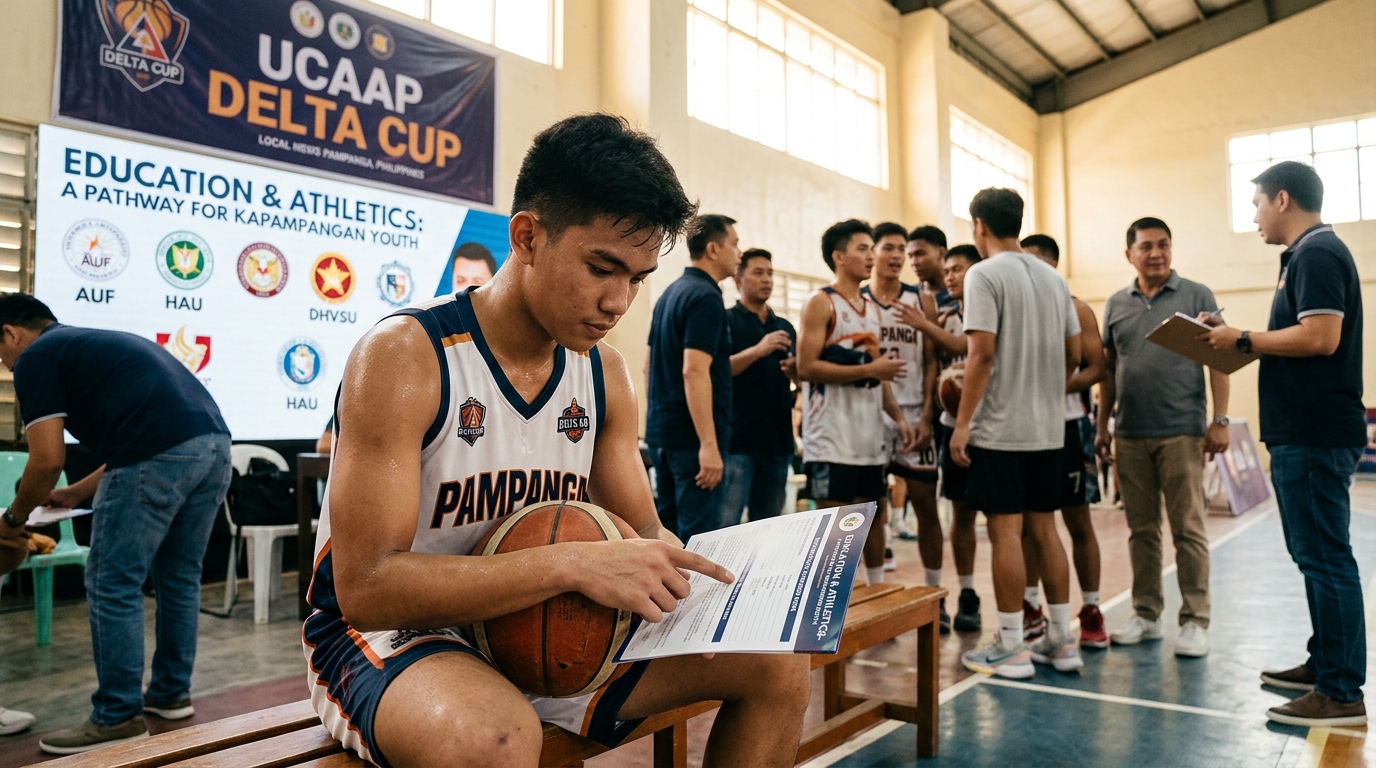
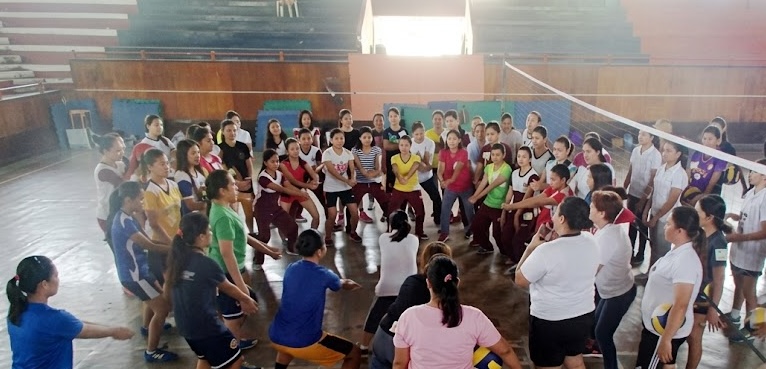
GENERAL SANTOS CITY - Watching sports can be entertaining, but participation offers a different experience. Recreational runs, community leagues, cycling groups, and weekend tournaments provide opportunities for people of varying skill levels to become involved. The appeal is not necessarily competition. Many participants are motivated by fitness, social interaction, or personal goals. Community sports programs create environments where individuals can engage without the pressure associated with elite performance. This accessibility broadens participation and helps transform sports from a spectator activity into a regular part of daily life.
A New Kind of Social Space
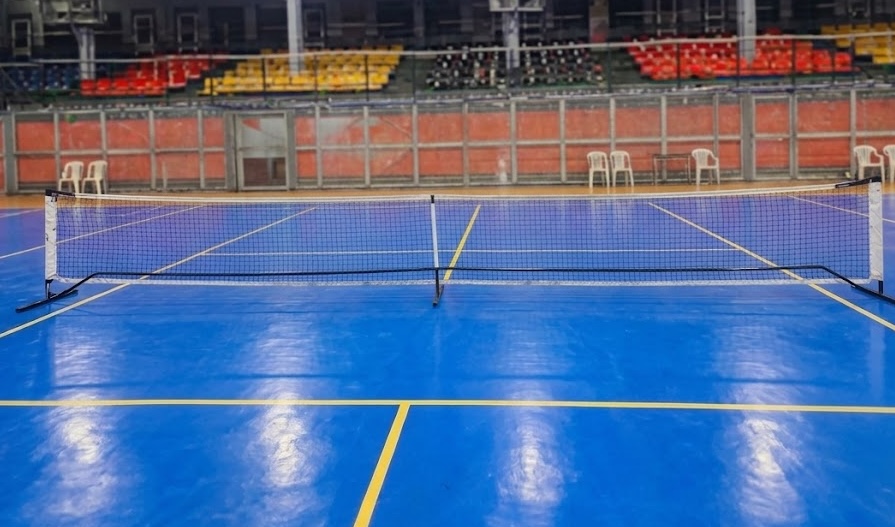
Sports venues serve purposes beyond physical activity. They create spaces where friendships form, families gather, and communities interact. Unlike many social settings, recreational activities encourage collaboration among people who might never meet otherwise. These interactions strengthen community connections while promoting healthier habits. The growing popularity of grassroots activities reflects a broader desire for experiences that combine movement with meaningful social engagement. Sports become less about results and more about participation itself.
Measuring Success Differently
Traditional sports narratives focus on medals, trophies, and records. Community recreation measures success in different ways. Consistent attendance, improved well-being, and stronger social connections often matter more than competition outcomes. Participants celebrate milestones such as completing a first race, learning a new skill, or simply maintaining an active routine. These achievements may not attract headlines, but they have lasting value. In General Santos City, the continued growth of recreational sports demonstrates how communities benefit when participation becomes the primary goal rather than performance alone.