Beyond Daily Income: Building Financial Confidence
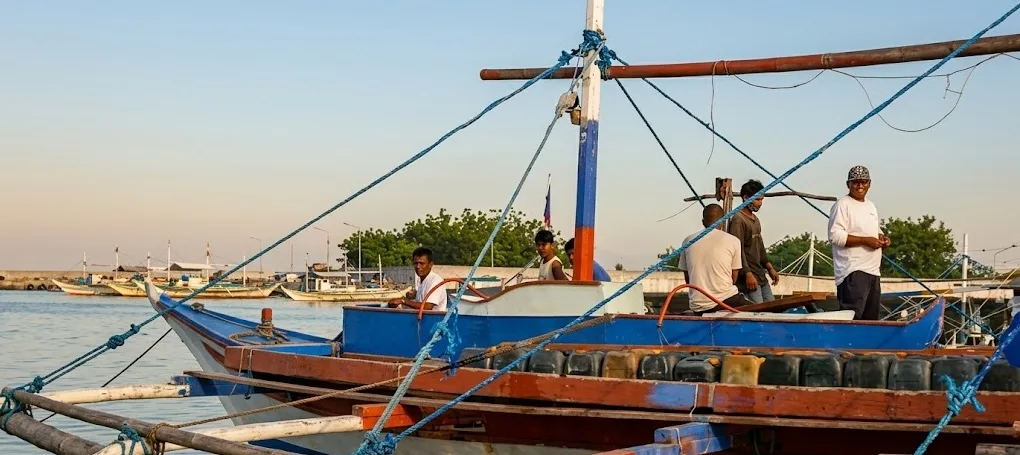
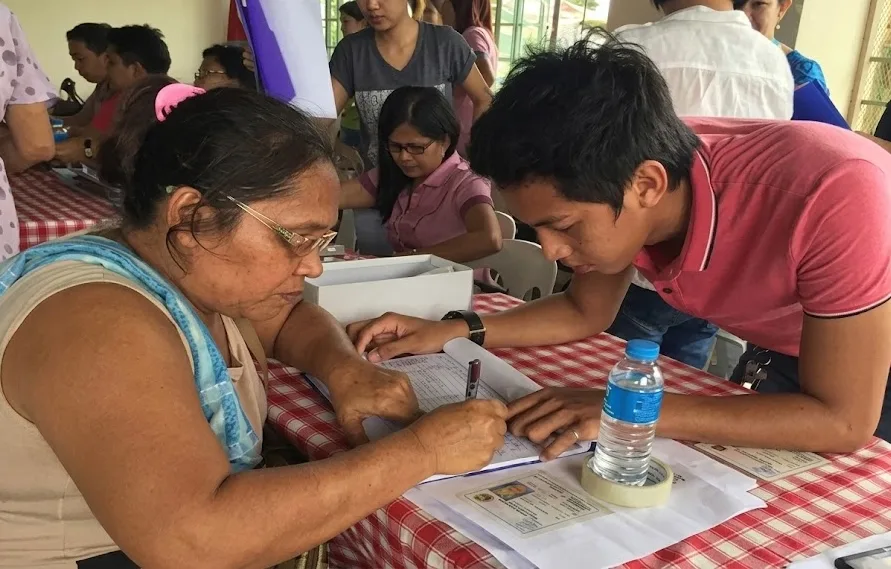
OZAMIZ CITY - Informal workers often navigate unpredictable sources of income, making financial planning especially important. Vendors, transport workers, home-based entrepreneurs, and self-employed individuals typically manage fluctuating earnings without the financial safeguards commonly available to formal employees. Recognizing these realities, DOLE Misamis Occidental organized an orientation that introduced participants to practical budgeting, responsible financial management, and the value of preparing for unexpected expenses. Rather than focusing solely on increasing income, the activity emphasized making existing earnings work more effectively. Financial literacy becomes a practical skill that supports everyday decision-making and helps households become more resilient over time.
Understanding the Value of Social Protection
Income alone does not always shield families from financial hardship. Medical emergencies, accidents, and unforeseen disruptions can quickly affect household stability. During the orientation, participants also learned about government social protection programs that may provide assistance during difficult circumstances. By familiarizing workers with available services and eligibility requirements, the activity encouraged greater awareness of safety nets that complement their livelihoods. Access to accurate information enables informal workers to make informed choices about their financial well-being while understanding how government programs can support them when unexpected situations arise throughout different stages of their working lives.
Investing in People, Not Just Livelihoods
Economic development is often associated with investments in infrastructure and business growth, yet strengthening individual financial capability is equally significant. Programs that combine livelihood awareness with financial education contribute to more informed communities capable of planning beyond immediate needs. For Ozamiz City, initiatives like this demonstrate that workforce development extends beyond employment opportunities. Equipping people with financial knowledge and awareness of social protection programs can encourage responsible money management, better preparedness, and greater confidence in navigating economic challenges. Small improvements in financial understanding today can influence more secure households and stronger local communities in the years ahead.