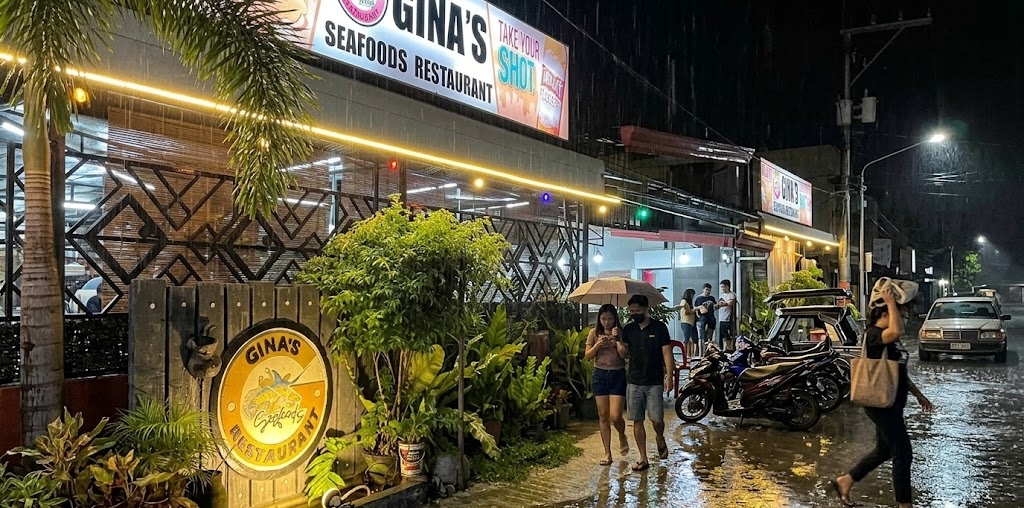
During rainy evenings, seafood restaurants across Bacolod seem to operate differently. Diners order hotter dishes, conversations become slower, and kitchens release aromas that drift farther into parking areas and roadside spaces. The weather creates urgency around comfort food without anyone explicitly discussing it. Soup-based seafood dishes suddenly dominate tables. Rain reshapes appetite quietly.
Part of seafood paluto culture’s appeal comes from how meals arrive designed for sharing. Large platters encourage conversation because people remain actively engaged with the table instead of focusing solely on individual plates. Families and barkadas naturally stay longer once multiple dishes continue circulating around the group. Bacolod diners already prefer communal eating habits. Seafood culture amplifies that instinct even more.
Travelers often expect seafood dining to feel coastal and scenic, but Bacolod’s seafood culture feels warmer and more communal instead. The experience revolves around crowded tables, noisy kitchens, and sauces shared between everyone present. Rainy weather intensifies the intimacy because people stay sheltered together longer. Visitors frequently describe remembering the atmosphere as much as the food itself. Steam and conversation become inseparable.