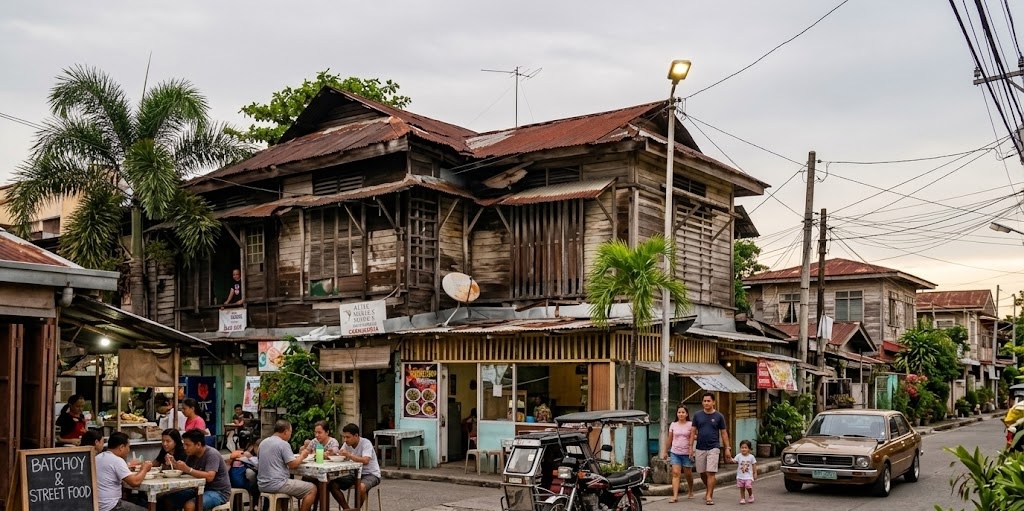
In many Bacolod neighborhoods, social life naturally spills outdoors after sunset. Residents gather beside sari-sari stores, children play near sidewalks, and temporary food stalls begin operating beside residential roads. The atmosphere feels casual instead of curated. People move slowly because the streets belong emotionally to the community already. Familiarity shapes the environment.
Street food sellers often become the center of evening activity without intentionally trying to. Customers stop for grilled snacks, kwek-kwek, or drinks, then remain talking beside carts long after purchasing food. These spaces feel socially flexible because nobody expects structured interaction. Bacolod’s outdoor culture survives partly through these informal meeting points. Small routines create neighborhood identity.
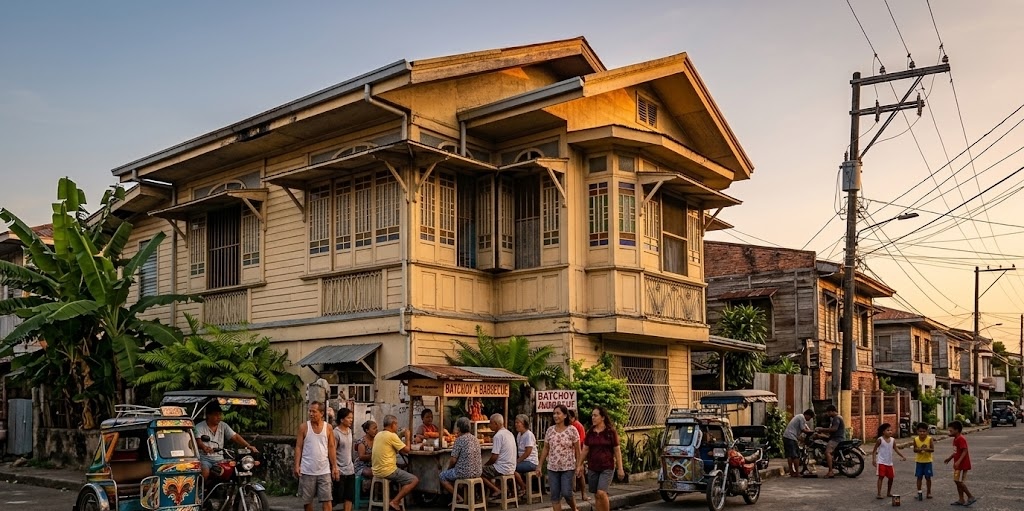
Travelers coming from larger cities sometimes describe Bacolod evenings as unexpectedly relaxed. Streets feel active without becoming overwhelming or chaotic. Residents appear comfortable occupying outdoor spaces casually rather than rushing constantly between destinations. The slower atmosphere leaves strong impressions because it feels increasingly uncommon elsewhere. Bacolod still allows room for ordinary evenings.