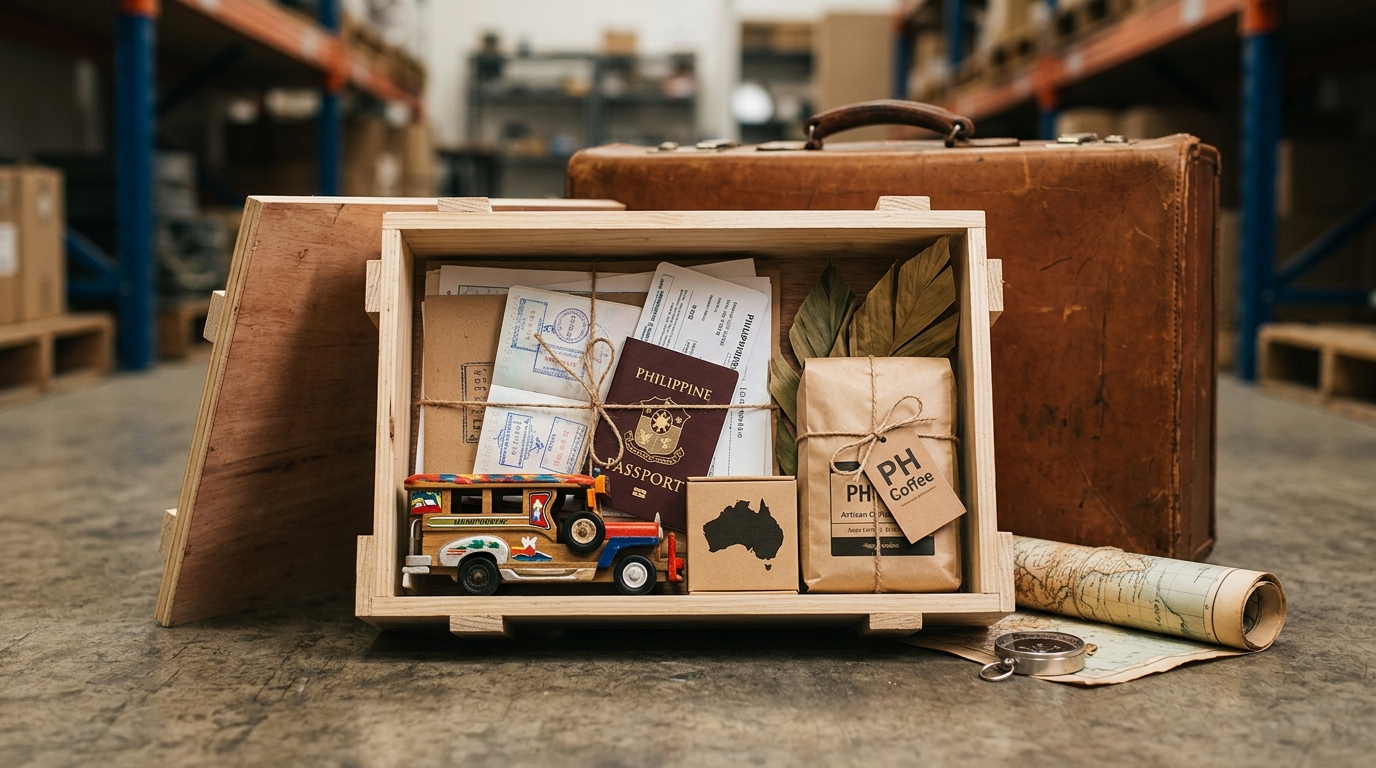
Australia — A recent headline from The Manila Times, "PH-AUSSIE PROGRAMS," points to ongoing or upcoming collaborations between the Philippines and Australia. While specific details of these initiatives were not elaborated in the initial report, the mention signals a continued strengthening of ties between the two nations, a development with significant implications for the global Filipino community and the Philippine economy.
Modernizing Agri-Food Logistics and Integrating Multi-Sector Mobility Networks
Historically, programs between the Philippines and Australia have spanned various crucial sectors, including labor mobility, education, defense, and economic development. Australia is a popular destination for Overseas Filipino Workers (OFWs) and students, known for its robust economy and diverse employment opportunities. Any new programs are likely to build upon these existing foundations, potentially opening new avenues for Filipinos seeking overseas employment, higher education, or business partnerships.
Protecting Capital Remittance Inflows and Unlocking Regional Infrastructure Corridors
The relationship with Australia is vital for the Philippines. Australia remains a key partner in trade, investment, and development assistance. For Filipinos, Australia represents a significant host country, with a substantial and growing Filipino diaspora contributing to both economies. Remittances from OFWs in Australia play a role in the Philippines' economic stability, making any bilateral programs that facilitate easier migration or better working conditions highly relevant. Furthermore, educational partnerships can lead to skill development and knowledge transfer, enhancing the capabilities of the Filipino workforce both abroad and at home. These programs often aim to streamline processes, ensure fair treatment for workers, and align skill sets with Australian labor market demands, directly benefiting those aspiring to work or study there.
Navigating Point-Based Immigration Routes and Securing Bilateral Assurances
Filipinos, whether currently residing in the Philippines or as OFWs in other countries, should pay close attention to further announcements regarding these PH-Australia programs. Potential areas of impact could include new visa categories, simplified application processes for skilled workers, expanded scholarship programs, or enhanced protections for Filipino migrants. Aspiring OFWs should proactively research official government sources from both countries for updates on specific program requirements and opportunities. Staying informed through reputable news outlets and official advisories will be crucial for those looking to leverage these bilateral initiatives for their professional and personal growth.