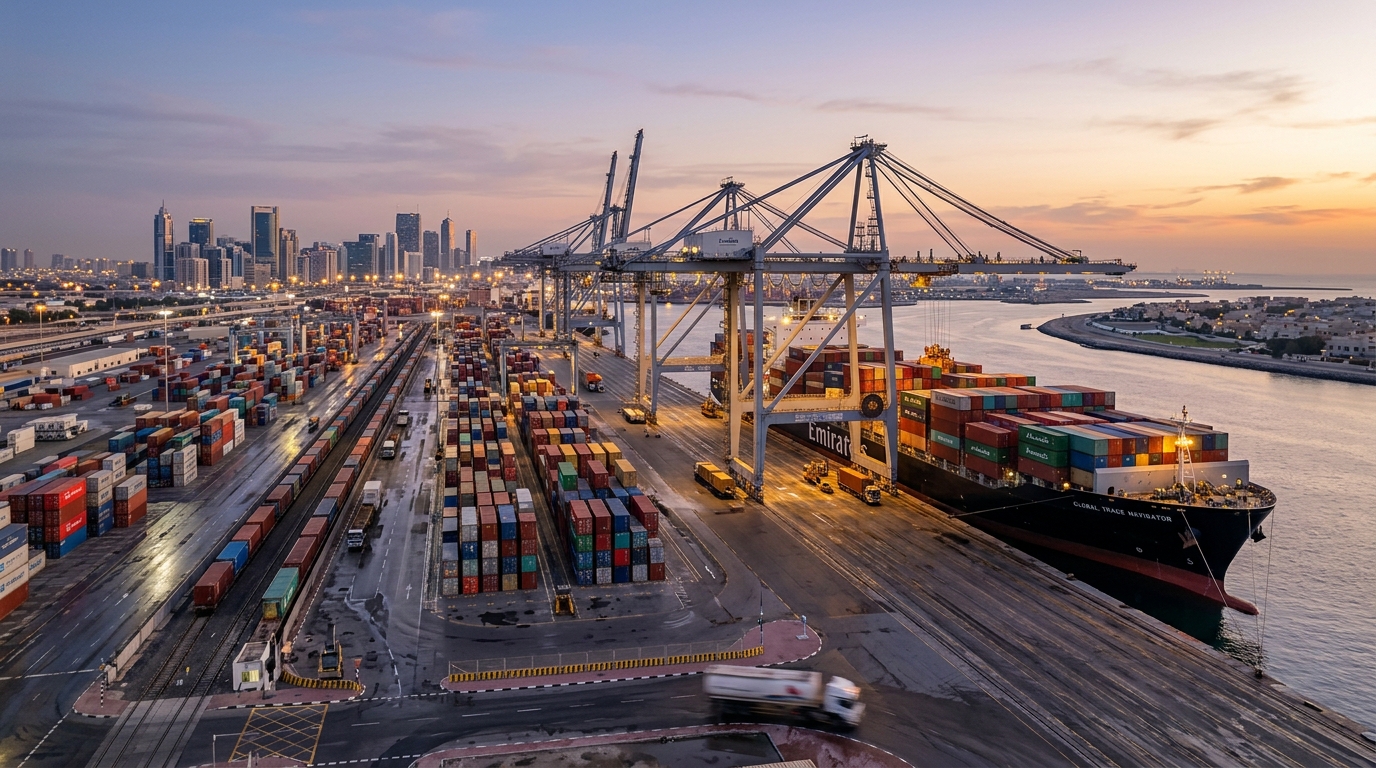
The United Arab Emirates is making a significant stride towards strengthening its global economic ties, moving closer to a free-trade agreement with a major Pacific trade bloc. This strategic push, reported by Gulf News, signals the UAE's ambition to further diversify its economy beyond oil and foster new avenues for trade and investment. Such a development is not just a headline for financial analysts; it carries profound implications for the hundreds of thousands of Filipino expatriate workers residing in the Emirates and, by extension, their families back home in the Philippines.
Abolishing Tariffs Across Advanced Logistics and Hyperscale Tech Fronts
A free-trade agreement with a major Pacific bloc typically aims to reduce tariffs and trade barriers, making it easier for goods and services to flow between member economies. For the UAE, this could mean increased foreign direct investment, the creation of new industries, and the expansion of existing sectors like logistics, tourism, and technology. These sectors are critical employers of the Filipino workforce, which forms a vital part of the UAE's labor market.
Lowering Barrier Frictions and Securing Cross-Border Remittance Channels
This economic maneuver by the UAE could translate into a more robust and resilient job market. As trade expands and new businesses emerge or existing ones grow, the demand for skilled and semi-skilled labor is likely to increase. For Filipino workers, this could mean a wider array of job opportunities, potentially better working conditions due to increased competition for talent, and even improved wage prospects in certain sectors. A stronger UAE economy also ensures stability for those already employed, securing their livelihoods and, consequently, the remittances they send to the Philippines. Moreover, the Philippines itself, as a Pacific nation, might find indirect benefits through enhanced trade routes and economic activity in the region. The interconnectedness of global economies means that a thriving UAE, bolstered by new trade partnerships, can positively influence the broader Asian economic landscape, including the Philippines' own trade relations and investment prospects.
Mastering High-Demand Trades to Capture Emerging Global Hub Roles
Filipinos currently working in the UAE, or those aspiring to find employment there, should view this development as a potential catalyst for new opportunities. It underscores the importance of continuous skill development and adaptability to meet the evolving demands of a diversifying economy. As the UAE positions itself as a global trade hub, roles in logistics, digital services, hospitality, and manufacturing could see significant growth. Staying informed about these economic shifts and preparing with relevant skills will be crucial for any Filipino seeking to leverage these changes. For families in the Philippines, a more stable and prosperous UAE economy can mean more consistent and potentially higher remittances, contributing directly to household incomes and national economic growth.