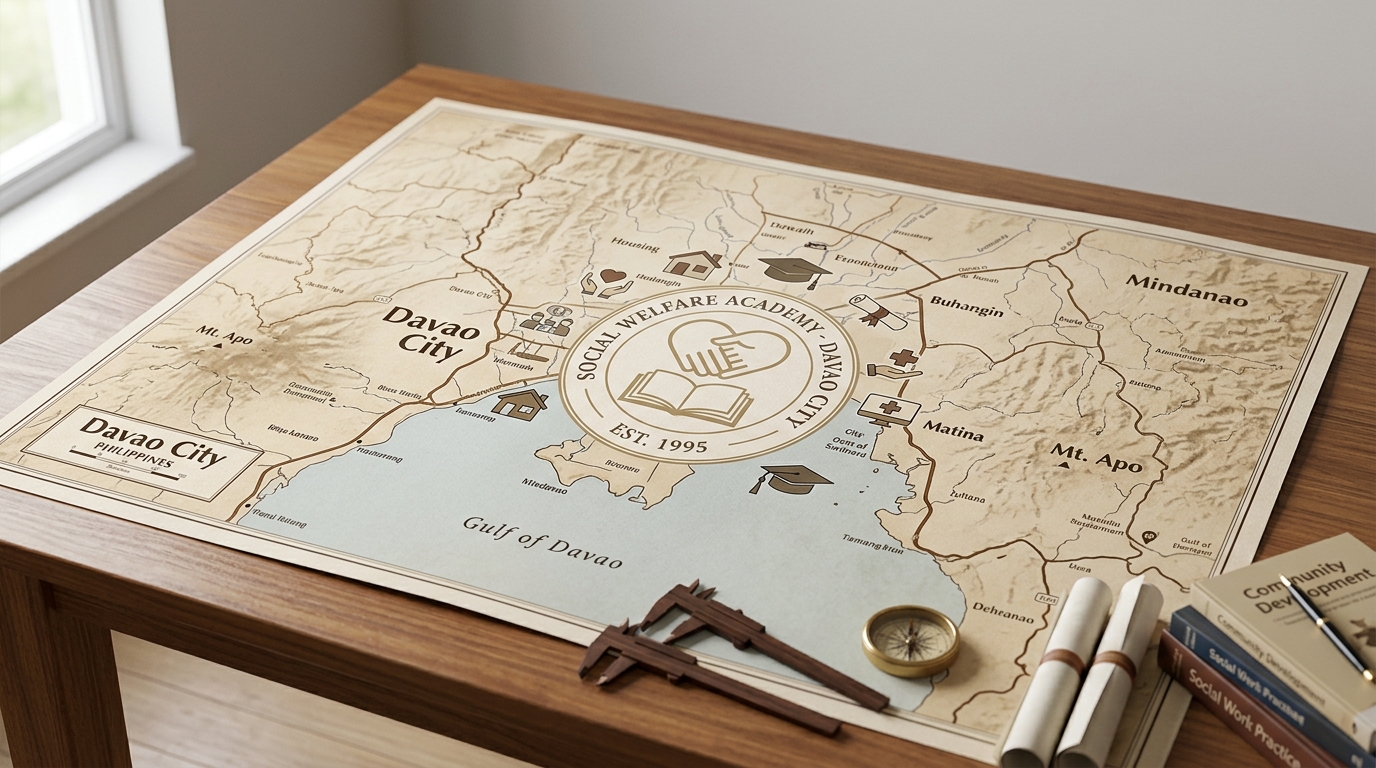
A foundational shift in the delivery of regional social services commenced along the urban corridors of the city on Thursday, May 21, 2026. The Department of Social Welfare and Development (DSWD) hosted an official groundbreaking ceremony to launch the construction of the ₱50-million DSWD Academy Mindanao. This new institutional facility is explicitly designed to serve as a specialized learning hub for social workers, local government personnel, and community leaders across the southern Philippines. The massive infrastructure asset represents a long-term state commitment to upgrading the administrative capabilities of countryside public servants.
Centralizing Social Service Knowledge for Southern Mindanao Districts
The upcoming academy building will house modern lecture halls, digital research libraries, and specialized simulation rooms where case managers can study advanced family support methods. By establishing a permanent campus in Mindanao, the national government eliminates the need for provincial workers to travel to Manila for mandatory professional licensing courses. Local social work boards point out that analyzing human development problems within a regional environment allows students to design highly practical, localized solution frameworks. This localized training model ensures that future public welfare programs are perfectly aligned with the unique cultural landscapes of Mindanao.
Boosting Neighborhood Real Estate Values Around the Campus Site
Real estate appraisers note that planting a multi-million peso government educational institution triggers a predictable economic lift for neighboring residential districts. Local landowners are already exploring plans to develop student housing facilities, boutique diners, and convenience stores to service the upcoming workforce. This infrastructure development transforms underutilized suburban plots into highly active economic zones without relying on traditional industrial manufacturing factories. The steady influx of professional trainees guarantees a resilient consumer base for local neighborhood micro-enterprises throughout the fiscal year.
Securing Sustainable Infrastructure Via Modern Green Blueprints
Architectural plans submitted to the city engineering office show that the academy will incorporate sustainable building features, including rainwater collection systems and solar panel roofing. The construction phase will prioritize hiring local construction laborers, heavy equipment drivers, and technical engineers from nearby barangays to maximize neighborhood employment. This inclusive construction framework injects millions of pesos directly into the local household economy before the classrooms even open. The project serves as a model of forward-thinking public development, demonstrating how institutional investments can simultaneously build human capital and community wealth.