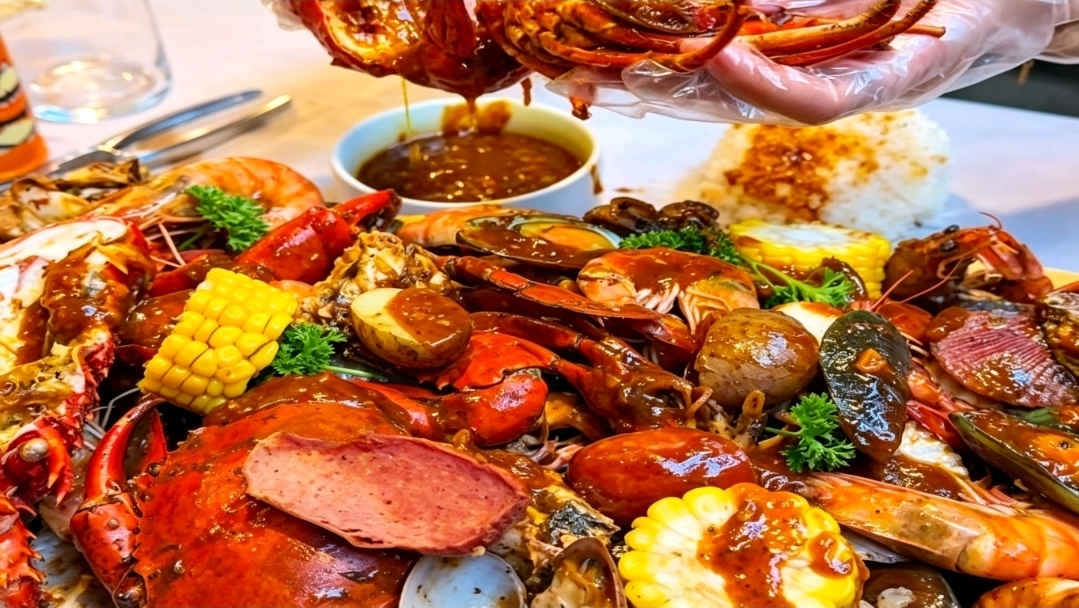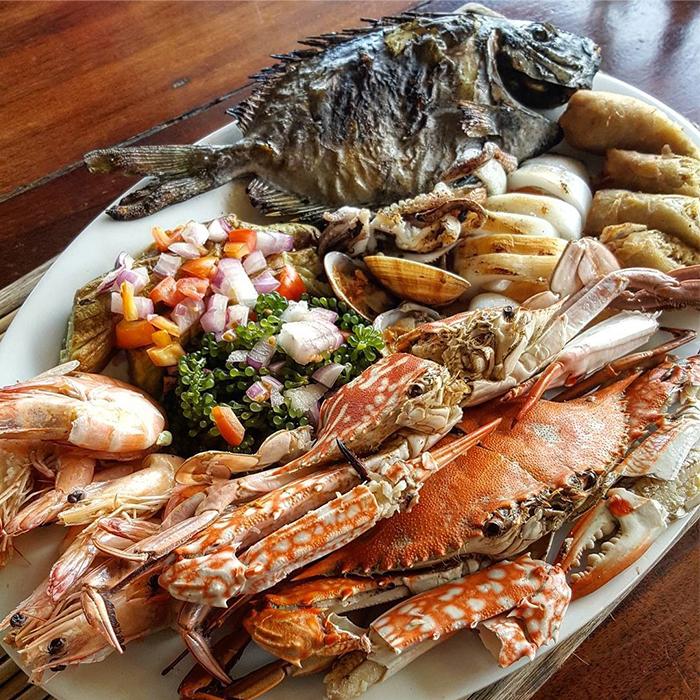
Dumaguete City is widely recognized for its warm hospitality, cultural heritage, and vibrant food scene. While the city is known for its scenic attractions and educational institutions, it is also home to a variety of restaurants and eateries that preserve and promote traditional Filipino cuisine. Through the continued appreciation of local recipes, native ingredients, and time-honored cooking techniques, Dumaguete has strengthened its identity as a destination where visitors can experience authentic Filipino flavors. The promotion of traditional cuisine not only enriches the city's culinary landscape but also contributes to the preservation of its cultural heritage.
Preserving Filipino Culinary Heritage
Traditional Filipino cuisine reflects the country's diverse history, regional influences, and local traditions. In Dumaguete, many restaurants, family-owned eateries, and local food establishments continue to prepare classic dishes using recipes that have been passed down through generations. Popular meals such as grilled seafood, kinilaw, adobo, sinigang, and other regional specialties highlight the abundance of fresh ingredients sourced from nearby farms and coastal communities. By preserving these culinary traditions, local establishments help protect an important part of the city's cultural identity.
Strengthening Culinary Tourism
Food has become an essential part of the travel experience, with many visitors exploring destinations through their local cuisine. Dumaguete's traditional Filipino restaurants attract both domestic and international tourists who seek authentic dining experiences that showcase the flavors of the region. Culinary experiences complement the city's beaches, heritage sites, and natural attractions, encouraging visitors to stay longer and explore more of what Dumaguete has to offer. As a result, traditional Filipino cuisine plays an important role in strengthening the city's growing gastronomic tourism sector.
Supporting Local Farmers, Fishermen, and Food Producers
The promotion of traditional cuisine creates economic opportunities for local communities by increasing the demand for fresh, locally sourced ingredients. Restaurants often purchase seafood, vegetables, fruits, spices, and other agricultural products from nearby farmers and fishermen, helping support their livelihoods while ensuring the freshness and quality of their dishes. This strong connection between local producers and food establishments contributes to sustainable economic development and encourages the continued use of regional ingredients.