The Philippines has emerged as a global leader in the rapid adoption of solar energy, a direct response to the nation's escalating power prices. This significant pivot towards renewable sources, as reported by Reuters, signals a transformative period for the archipelago, offering a beacon of hope for countless Filipino households grappling with some of the highest electricity costs in the region. For families across the Philippines, and for overseas Filipino workers (OFWs) who diligently send remittances home, this trend could profoundly impact their daily lives and financial stability.
Mitigating Volatile Utility Surcharges Through Decentralized Photovoltaic Systems
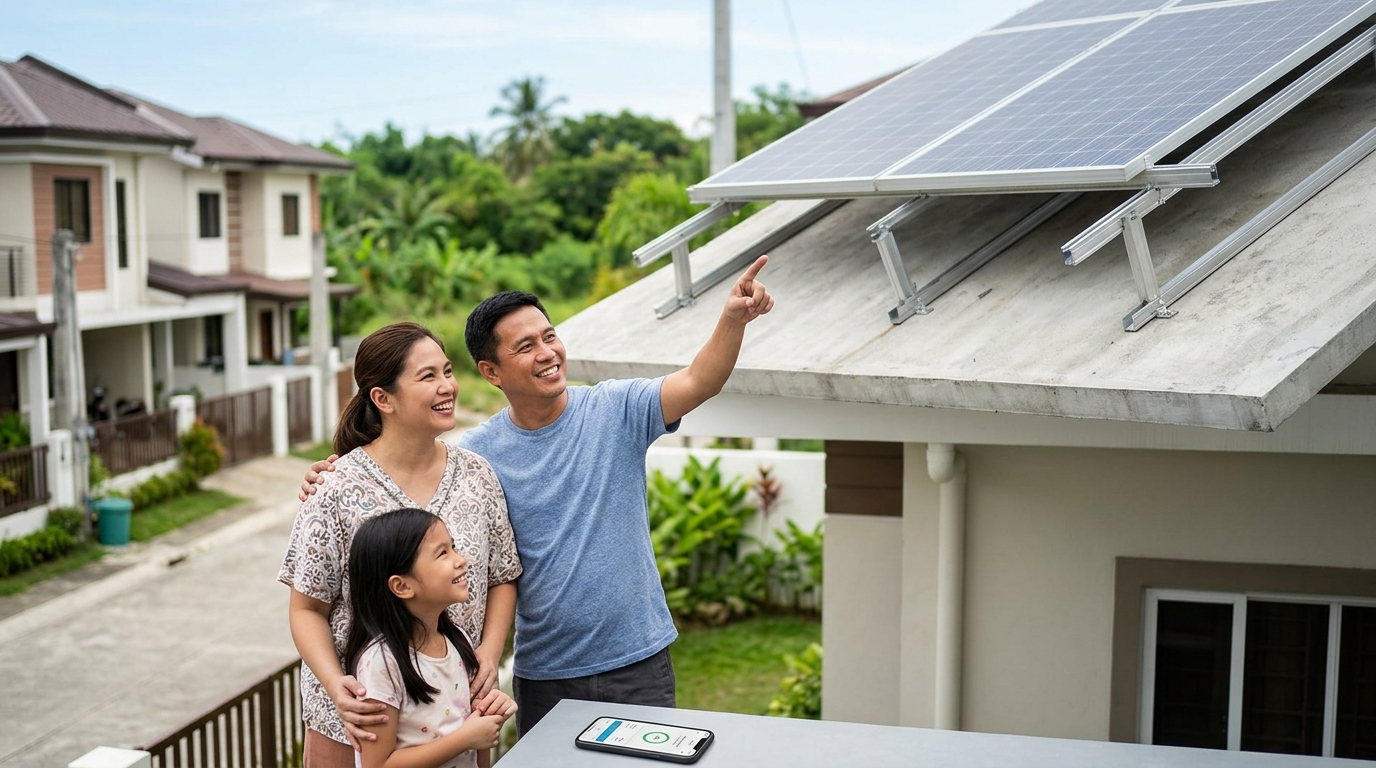
The soaring cost of electricity has long been a substantial burden on the average Filipino family's budget, often consuming a significant portion of their income. This economic pressure is keenly felt by OFWs, many of whom work tirelessly abroad not just to improve their families' quality of life but also to cover essential expenses like utilities. The rush to embrace solar power, from rooftop installations on homes to larger commercial projects, is a pragmatic move to mitigate these rising expenses and achieve greater energy independence. It represents a collective effort to find sustainable solutions to an enduring economic challenge.
Stabilizing Household Balance Sheets and Cultivating Green Labor Sectors
The widespread adoption of solar technology in the Philippines carries immense implications for its economy and the welfare of its citizens. By harnessing abundant sunlight, the nation can reduce its reliance on volatile fossil fuel markets, which often dictate local power rates. This transition is not merely an environmental initiative but a critical economic strategy to stabilize household budgets, making essential services more affordable. Lower and more predictable electricity bills could free up disposable income for families, allowing for better investments in education, healthcare, or small businesses. Furthermore, the burgeoning solar industry itself presents new opportunities for job creation and skill development within the Philippines, potentially offering alternative career paths for returning OFWs or those seeking employment locally.
Capitalizing Domestic Real Estate with Clean Technology Investments
For Filipinos both at home and abroad, understanding this shift is crucial. The move to solar power offers a tangible pathway to long-term savings on electricity, potentially lessening the financial strain on families and the pressure on OFWs to send ever-larger remittances for utility payments. While initial investments in solar panels can be significant, government initiatives and financing options are increasingly becoming available to make this technology more accessible. OFWs, in particular, might consider exploring solar energy as a sound investment for their properties back home, contributing to a more sustainable future while also securing financial benefits. This national drive towards renewable energy is shaping a more resilient and environmentally conscious Philippines, promising a brighter, more affordable energy future for everyone.