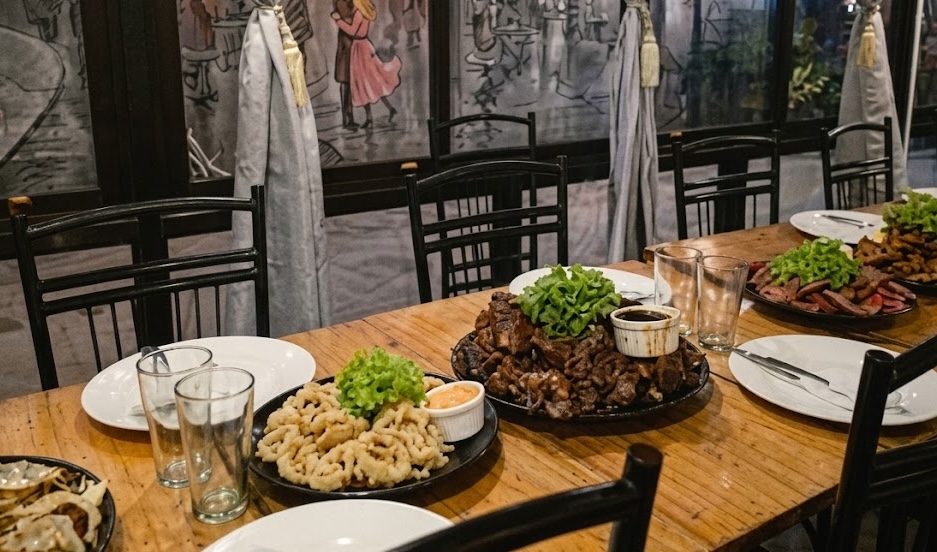
More Than What Appears on the Menu
When diners sit down for a meal, they encounter only the final stage of a much longer process. Farmers, suppliers, transport operators, vendors, and market workers all contribute to making food available. Their efforts often go unnoticed because they occur behind the scenes. In cities like Ozamiz, food systems depend on cooperation among multiple sectors. This network ensures that ingredients move efficiently from producers to consumers. Understanding that process adds another layer to the appreciation of food and the communities that support it.
The Market as a Meeting Point
Public markets remain important because they connect different parts of the food economy. Producers, vendors, and customers interact directly, creating relationships that help sustain local commerce. These exchanges involve more than transactions. They provide opportunities for communication, trust, and community engagement. Markets also reflect changing consumer preferences and economic conditions. By observing how food moves through these spaces, it becomes easier to understand the broader systems supporting local dining culture and household consumption.
Why Food Is a Community Story
Food is often discussed through taste and tradition, but it is also a story about people working together. The availability of ingredients depends on transportation networks, economic activity, and community participation. In Ozamiz City, the local food landscape reflects these interconnected relationships. Every meal represents contributions from numerous individuals whose efforts make dining possible. Recognizing that broader picture encourages a deeper appreciation for food beyond what is served on a plate.