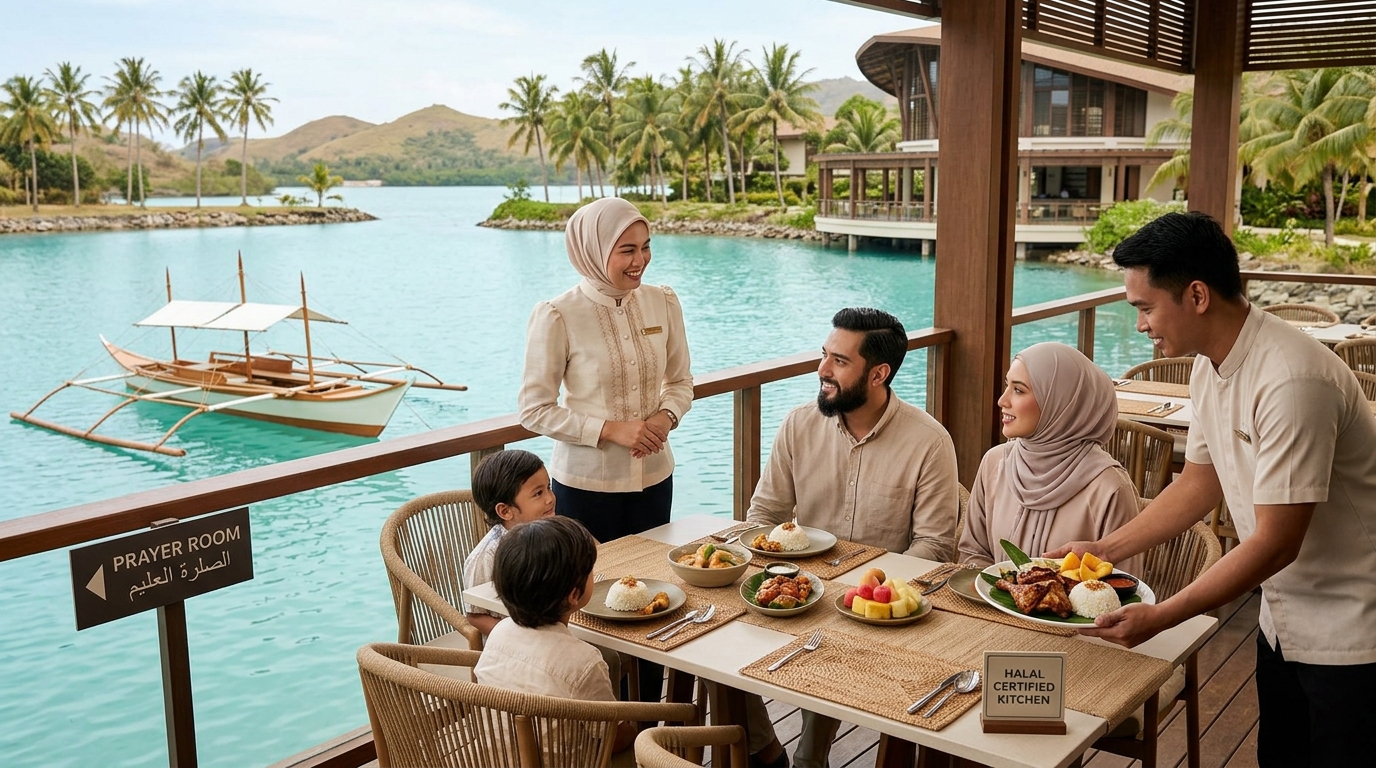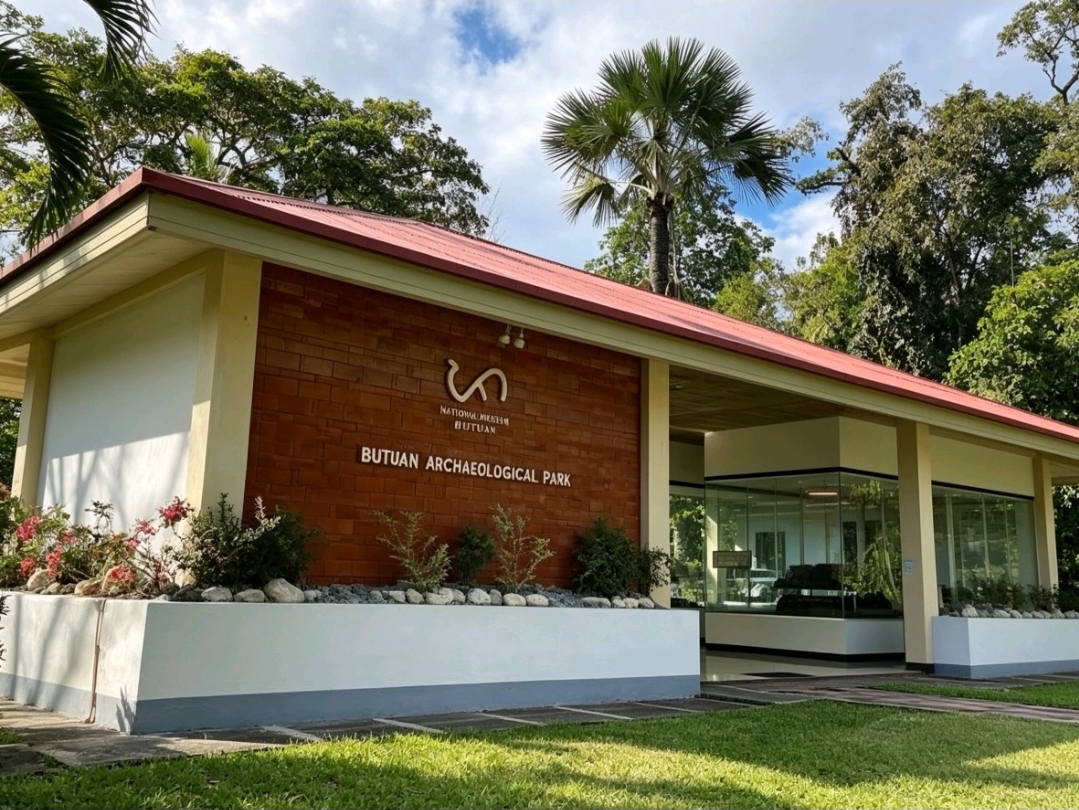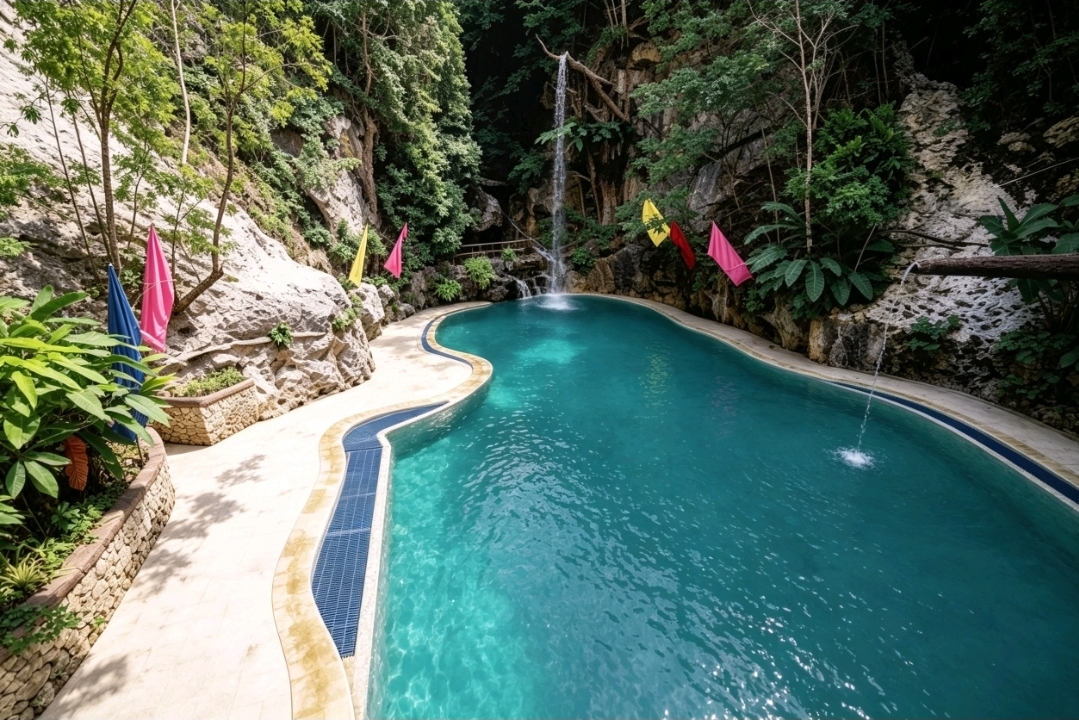
Bohol has officially moved beyond the "sightseeing" era and into the "healing" era this April. As the first UNESCO Global Geopark in the Philippines, the province is leveraging its natural geology to create a unique niche in the global wellness market that is driving record-breaking visitor spend.
The "Healing Heritage" Strategy
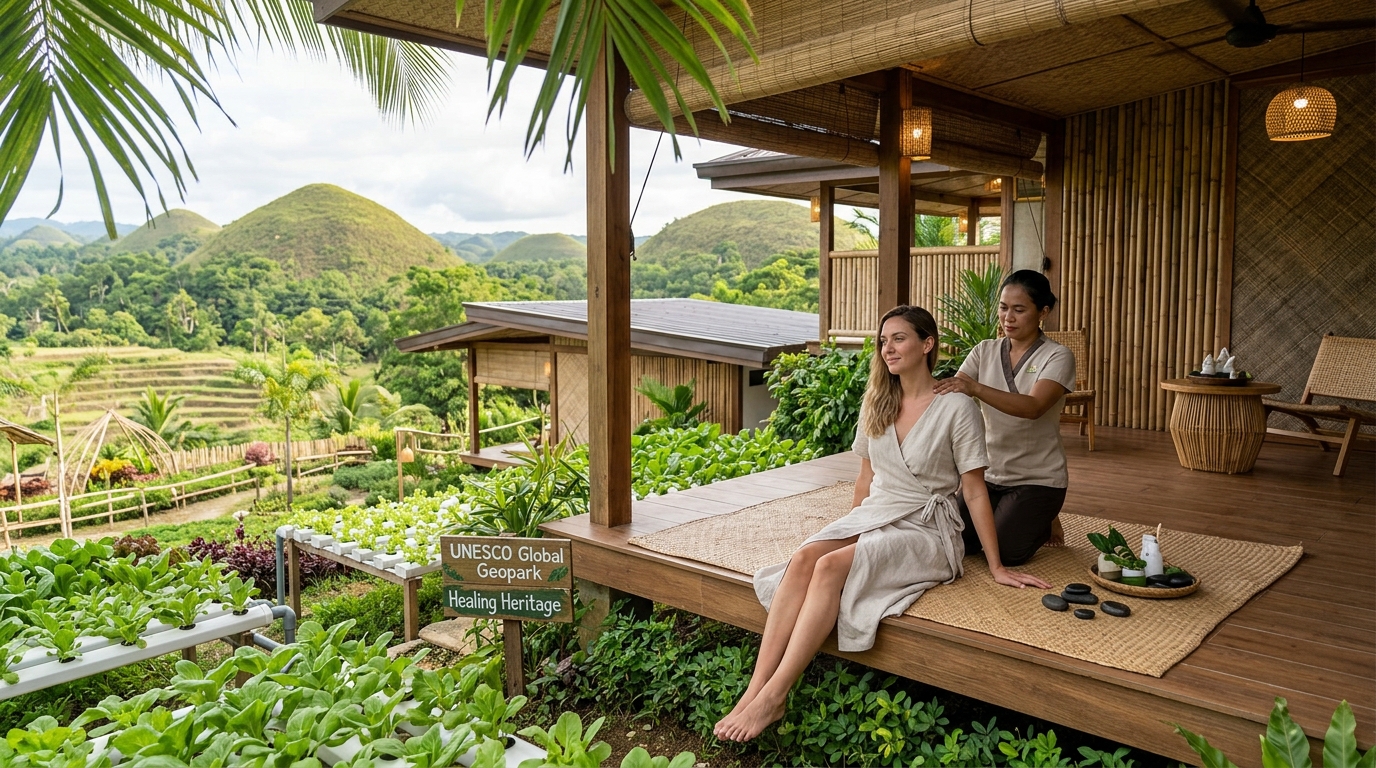
For the provincial tourism sector, the story is about monetizing the island’s soulful charm and artisanal design. New flagship properties, such as the South Palms Resort & Spa (MGallery Collection), are reimagining luxury through the lens of Boholano myth and natural wellness. These resorts offer "M Moments" that connect guests with local traditions, from hand-woven banig textures to indigenous healing sessions. This strategy is successfully attracting high-yield travelers who seek deeper, more mindful connections with their destinations.
Hydroponics and Mindful Gastronomy
This movement is driving a shift toward "Mindful Pace" resort amenities, including on-site hydroponic gardens, herbal trails, and rice paddies. Wellness centers like "Lola’s Sanctuary" are integrating these fresh, site-grown ingredients into curated detox programs that appeal to the 2026 "Health-First" demographic. By allowing guests to participate in the harvest and preparation of their meals, resorts are creating high-value "Immersive Experiences" that justify premium room rates. This integration of agriculture and luxury is the new benchmark for Boholano hospitality.
UNESCO Status as a Marketing Anchor
Tourism officials are leveraging Bohol’s UNESCO Global Geopark designation to enforce stricter environmental and cultural guidelines. The 2026 Marketing Plan, finalized this month, prioritizes "Regenerative Tourism" that balances economic progress with the protection of geological sites like the Chocolate Hills. This protective status acts as a "Gold Standard" that reassures international travelers of the province’s commitment to sustainability. By the end of 2026, wellness-driven arrivals are expected to account for 25% of the province's total tourism revenue.