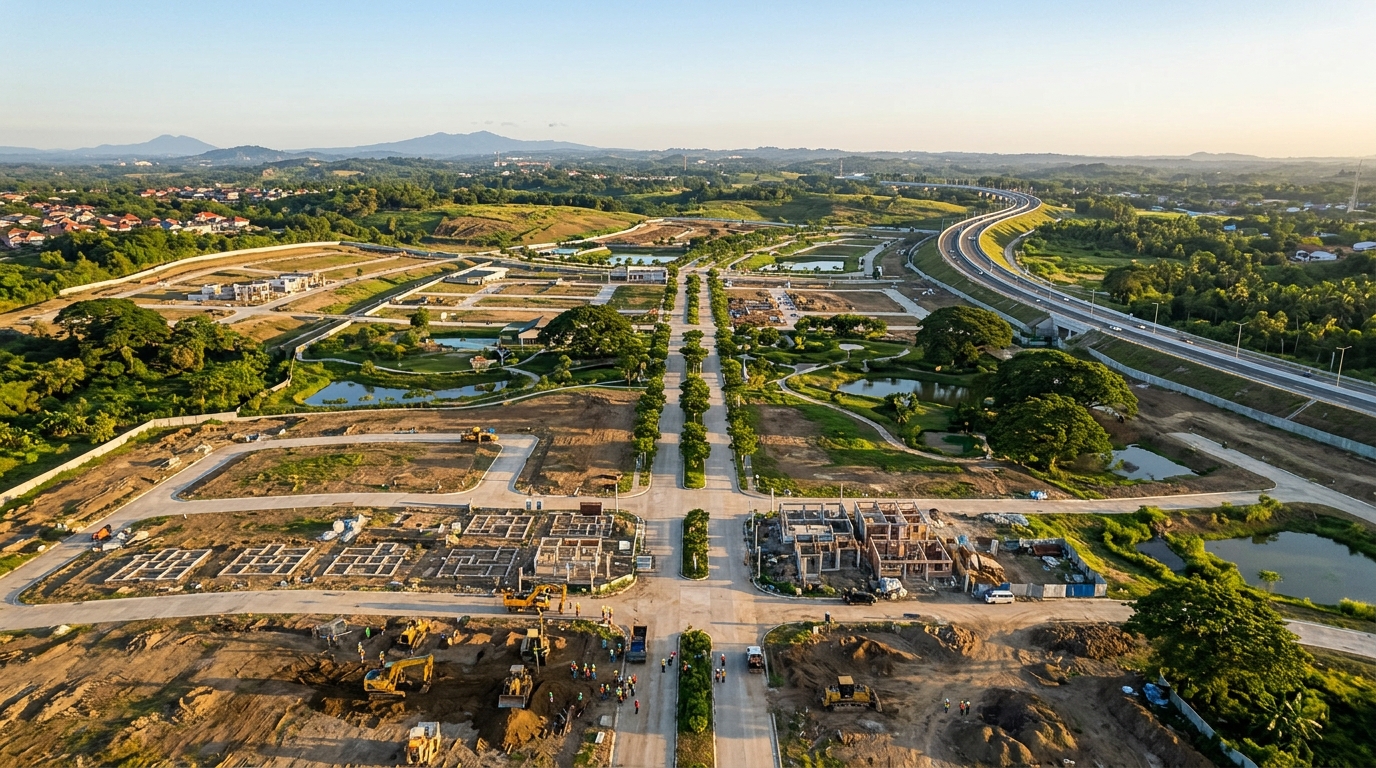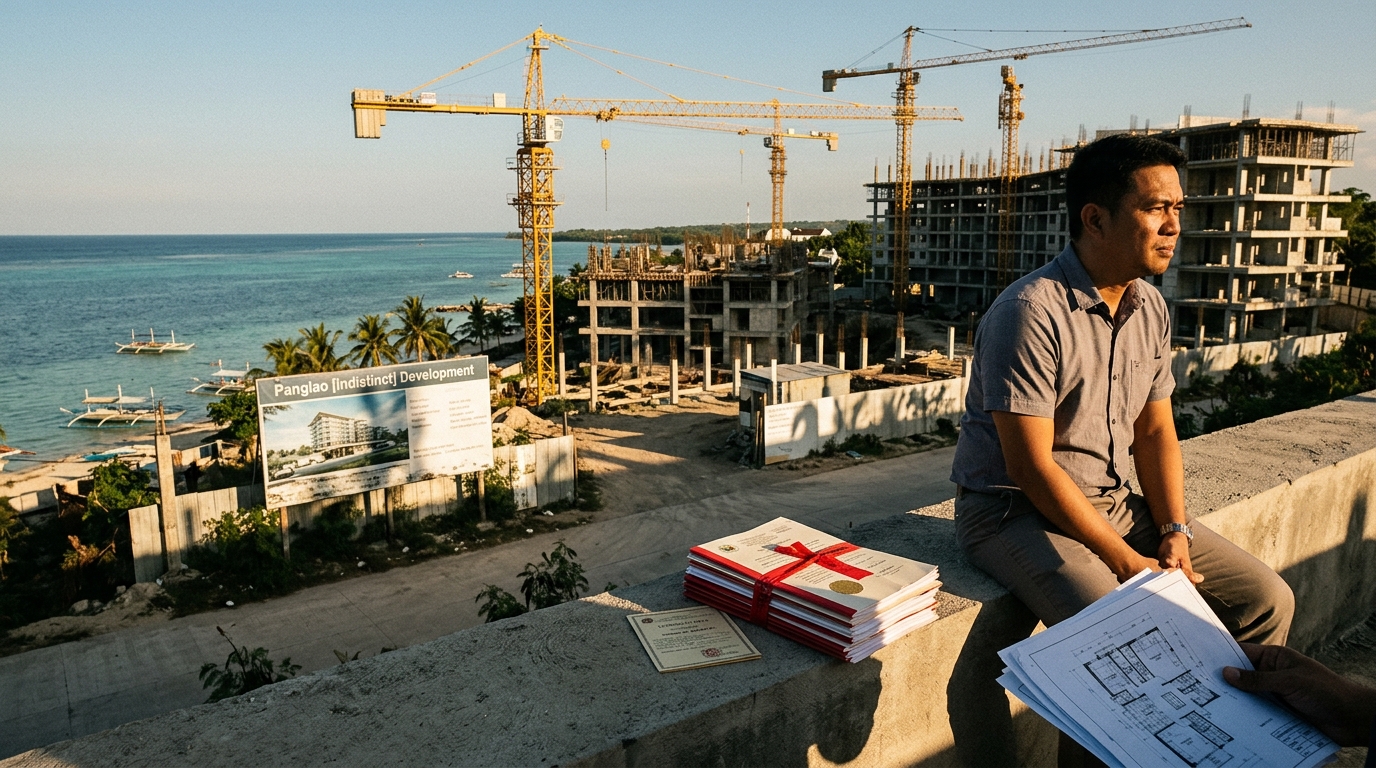
The red tape in Manila is casting a long shadow over the construction cranes of Panglao this April. While the demand for island living has never been higher, a sudden centralization of government approvals is leaving developers—and many eager buyers—in a state of high-stakes limbo.
The "Centralization Clog" Narrative
For the 2026 property developer, the story is about the frustration of navigating a new national backlog. During a press briefing on April 16, industry veteran Anthony Leuterio of Filipino Homes highlighted that the shift of approvals from local offices to a centralized national level has effectively stalled launches originally scheduled for this month. Developers are reportedly waiting months for a License to Sell, despite having completed all necessary requirements. Without this legal green light, pre-selling—the lifeblood of Philippine real estate—remains frozen. This bottleneck is creating a significant gap in the 2026 housing inventory, particularly for projects aimed at the mid-market and overseas sectors.
Impact on the OFW Investment Pipeline
This movement is driving increased concern for Overseas Filipino Workers (OFWs) who rely on long-term payment schemes. Many OFWs prefer pre-selling projects with 5-to-6-year payment terms to make property ownership more manageable. The current delay in Bohol and other key cities means that these affordable investment opportunities are being pushed back indefinitely. Real estate brokers are also feeling the pinch, as their commissions depend on new inventory to sustain sales volumes during the summer peak. For the 2026 buyer, this means fewer options in a market that is otherwise ready to boom.
Call for Digital and Decentralized Reform
Industry experts are calling for immediate reforms to expedite the approval process for compliant developers. The warning is clear: prolonged delays could dampen investor confidence and slow down the urban development goals of the "Abante Bohol" roadmap. There is a strong push for the government to return to a more decentralized or digital-first approval system to handle the sheer volume of 2026 project applications. Until the LTS backlog is cleared, the Bohol real estate market remains a "coiled spring" waiting for the regulatory release. By late 2026, the resolution of this crisis will be the primary factor in meeting the province's residential demand.