The famous Taklobo Farm, a premier ecological destination that serves as the first-choice stop for travelers arriving in the Davao Gulf, has formally resumed its regular guest reception. The local management board finalized a brief, planned operational closure that ran from May 19 to May 21 to clear the marine facility for intensive aquatic safety drills. This brief intermission was used to evaluate and upgrade safety measures across the multi-hectare underwater conservation park, guaranteeing absolute protection for both the local staff and visiting marine enthusiasts.
Upgrading Lifesaver Competencies Among Tribal Fisherman Guides
The temporary closure was specifically implemented to facilitate an extensive Water Search and Rescue (Wasar) training program across the coral shelves. Organized through a collaborative partnership with the Davao del Norte State College (DNSC) Tourism Department, the safety course trained local boatmen in handling unexpected deep-water emergencies. Specialized instructors drilled the personnel on open-water retrieval methods, basic first aid, and sudden weather evacuation maneuvers. This educational initiative ensures that the community-led guiding team meets the highest international safety standards before the heavy influx of mid-year vacationers.
Preserving Rare Giant Invertebrates Inside Protected Coral Zones
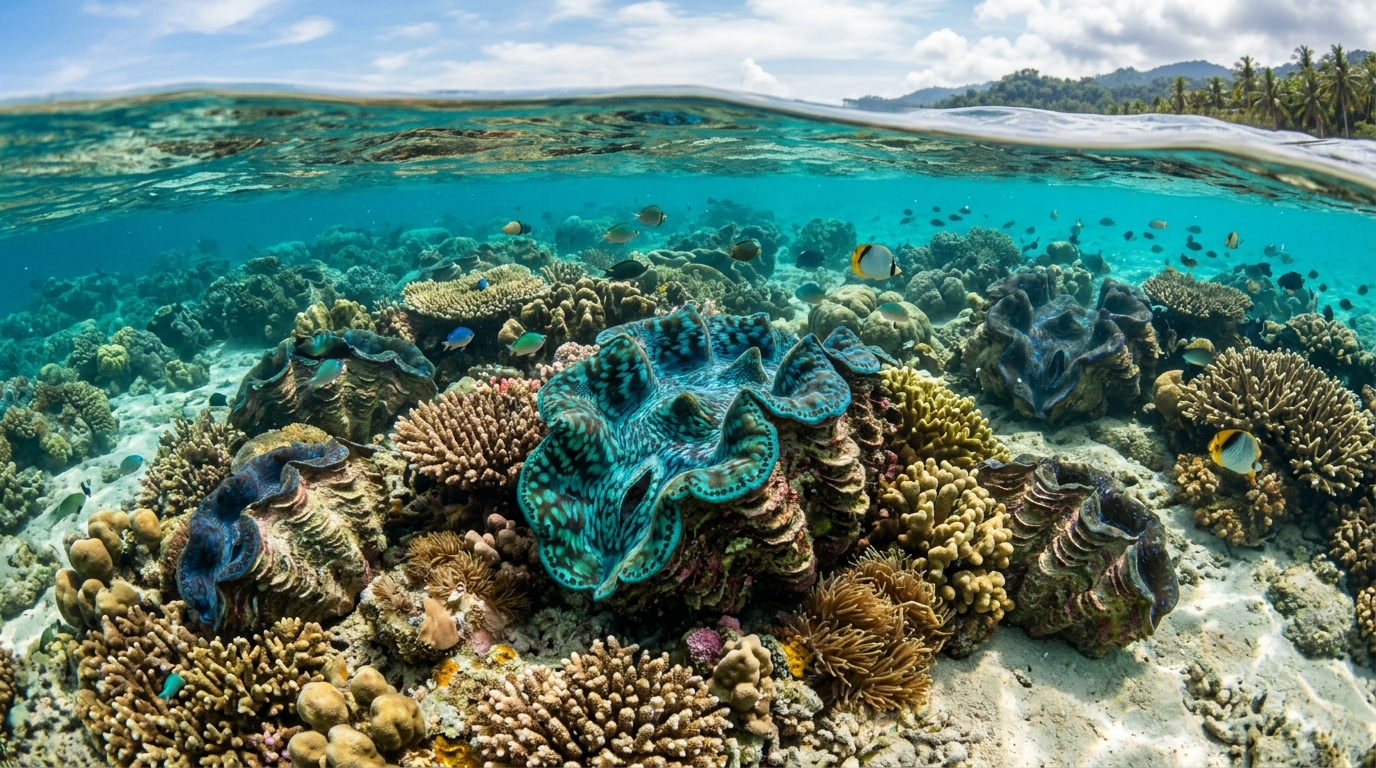
Beyond basic consumer safety, the sanctuary operates as a vital community-based biodiversity project managed directly by the AdeCor United Fisherfolk Organization. The underwater park protects thousands of endangered giant clams, or Tridacna gigas, which play an essential role in filtering coastal waters and providing natural fish nurseries. Local environmental monitors used the three-day operational break to audit the health of the coral beds without any disturbance from tourist boats. Maintaining this strict ecological balance preserves the raw natural beauty that makes the farm a legendary landmark for global divers.
Directing Tourism Revenue Into Coastal Fishing Villages
The smooth resumption of the daily boat tours guarantees a steady, predictable income stream for the traditional fishing families who protect the reservation. By connecting modern academic tourism departments with local neighborhood cooperatives, the project keeps travel expenditures directly inside the host communities. Visitors can book guided snorkeling trails where trained local divers share insights on marine conservation and reef rehabilitation efforts. The reopening showcases a balanced model of sustainable travel, proving that active safety training can successfully fortify local livelihoods and natural habitats.