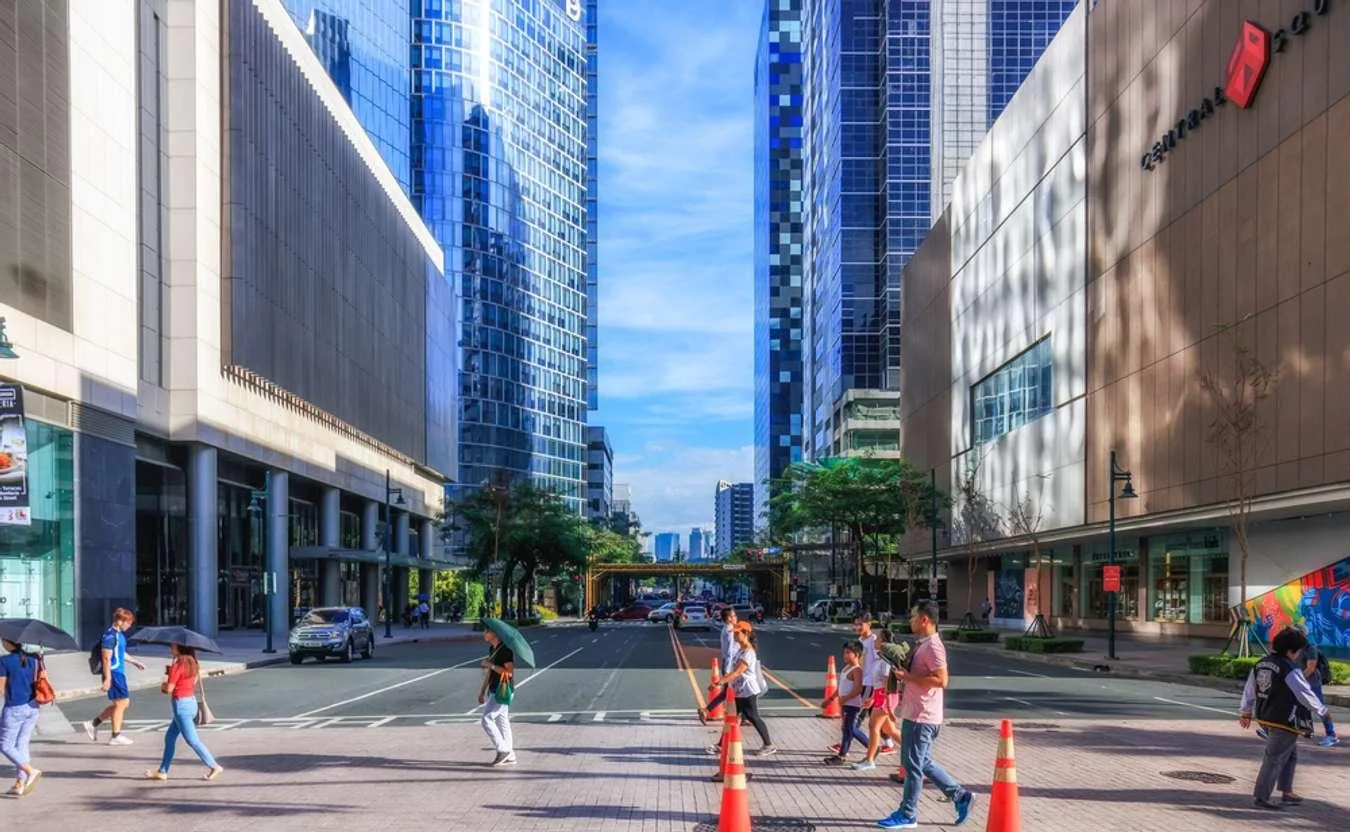
Bonifacio Global City (BGC) has become one of the Philippines' leading examples of modern urban planning through its emphasis on accessibility, sustainability, and quality of life. Unlike many highly congested urban centers, BGC was designed with wide sidewalks, pedestrian-friendly streets, green open spaces, and mixed-use developments that encourage walking as a primary mode of transportation. The continued growth of walkable neighborhoods has transformed the district into a vibrant community where residents, office workers, and visitors can safely move between commercial establishments, residential buildings, parks, restaurants, and recreational areas. This people-centered approach has significantly contributed to the city's reputation as one of Metro Manila's most livable urban destinations.
Promoting Healthy and Active Lifestyles
Walkable neighborhoods encourage people to incorporate physical activity into their daily routines. In Bonifacio Global City, well-maintained sidewalks, shaded walkways, bicycle lanes, pedestrian crossings, and public parks make walking both convenient and enjoyable. Residents and visitors are encouraged to walk to nearby offices, shopping centers, restaurants, and recreational facilities rather than relying solely on private vehicles. Regular walking promotes cardiovascular health, reduces stress, improves mental well-being, and supports a healthier lifestyle for individuals of all ages.
Strengthening Community Interaction
Pedestrian-friendly environments create opportunities for greater social interaction among community members. Public spaces in Bonifacio Global City allow families, friends, professionals, and tourists to comfortably gather, participate in outdoor events, dine at open-air restaurants, or simply enjoy the city's welcoming atmosphere. Walkable neighborhoods encourage spontaneous social encounters that strengthen community relationships while creating a safer and more inclusive urban environment. These interactions contribute to a stronger sense of belonging and improve overall community well-being.
Supporting Sustainable Urban Development
The expansion of walkable neighborhoods contributes to environmental sustainability by reducing dependence on motor vehicles for short-distance travel. Increased walking helps decrease traffic congestion, lowers greenhouse gas emissions, and improves urban air quality. Combined with green spaces, landscaped streets, and bicycle-friendly infrastructure, BGC's pedestrian-oriented design demonstrates how sustainable urban planning can balance economic development with environmental responsibility. Such initiatives contribute to creating a cleaner, healthier, and more resilient city.