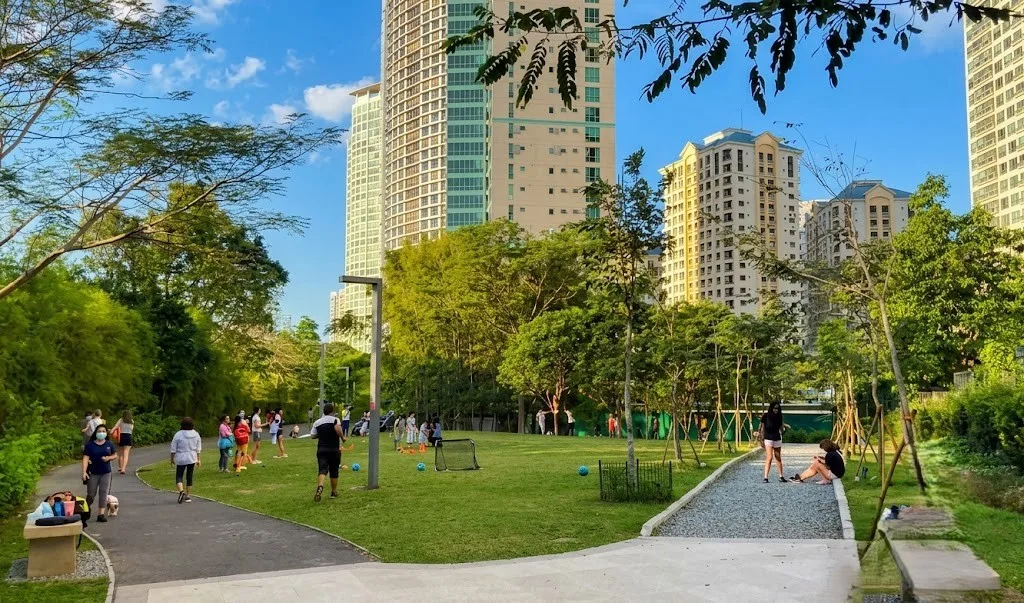
Bonifacio Global City (BGC) has become one of the Philippines' leading examples of modern urban development, recognized not only for its business districts and commercial establishments but also for its commitment to creating healthy and people-centered public spaces. Over the years, the city has expanded its network of parks, open areas, jogging paths, cycling lanes, and outdoor fitness facilities that encourage residents and visitors to adopt active lifestyles. These public fitness spaces have transformed BGC into a destination where recreation, wellness, and urban living coexist, contributing significantly to the city's appeal as a lifestyle and tourism hub.
Encouraging Active Urban Living
Public fitness spaces play an important role in promoting physical activity and improving overall quality of life. Bonifacio Global City's well-maintained parks, pedestrian-friendly streets, outdoor exercise areas, and jogging routes provide convenient venues for walking, running, cycling, stretching, and group fitness activities. These facilities encourage people of all ages to incorporate exercise into their daily routines while enjoying a safe and accessible urban environment.
Supporting Lifestyle Tourism
Modern travelers increasingly seek destinations that offer wellness and recreational opportunities alongside traditional tourist attractions. BGC's public fitness spaces attract visitors who enjoy outdoor exercise, community fun runs, cycling events, yoga sessions, and wellness activities. These amenities complement the district's restaurants, shopping centers, museums, and cultural attractions, allowing tourists to experience a balanced lifestyle during their stay. As a result, public fitness spaces contribute to the growth of lifestyle tourism in Bonifacio Global City.
Strengthening Community Engagement
Beyond promoting physical health, public fitness spaces serve as gathering places where people can socialize, participate in community events, and build meaningful relationships. Weekend fitness classes, charity fun runs, cycling activities, and wellness programs encourage interaction among residents, office workers, students, and visitors. These shared experiences strengthen community ties while fostering a culture of inclusivity, cooperation, and healthy living.