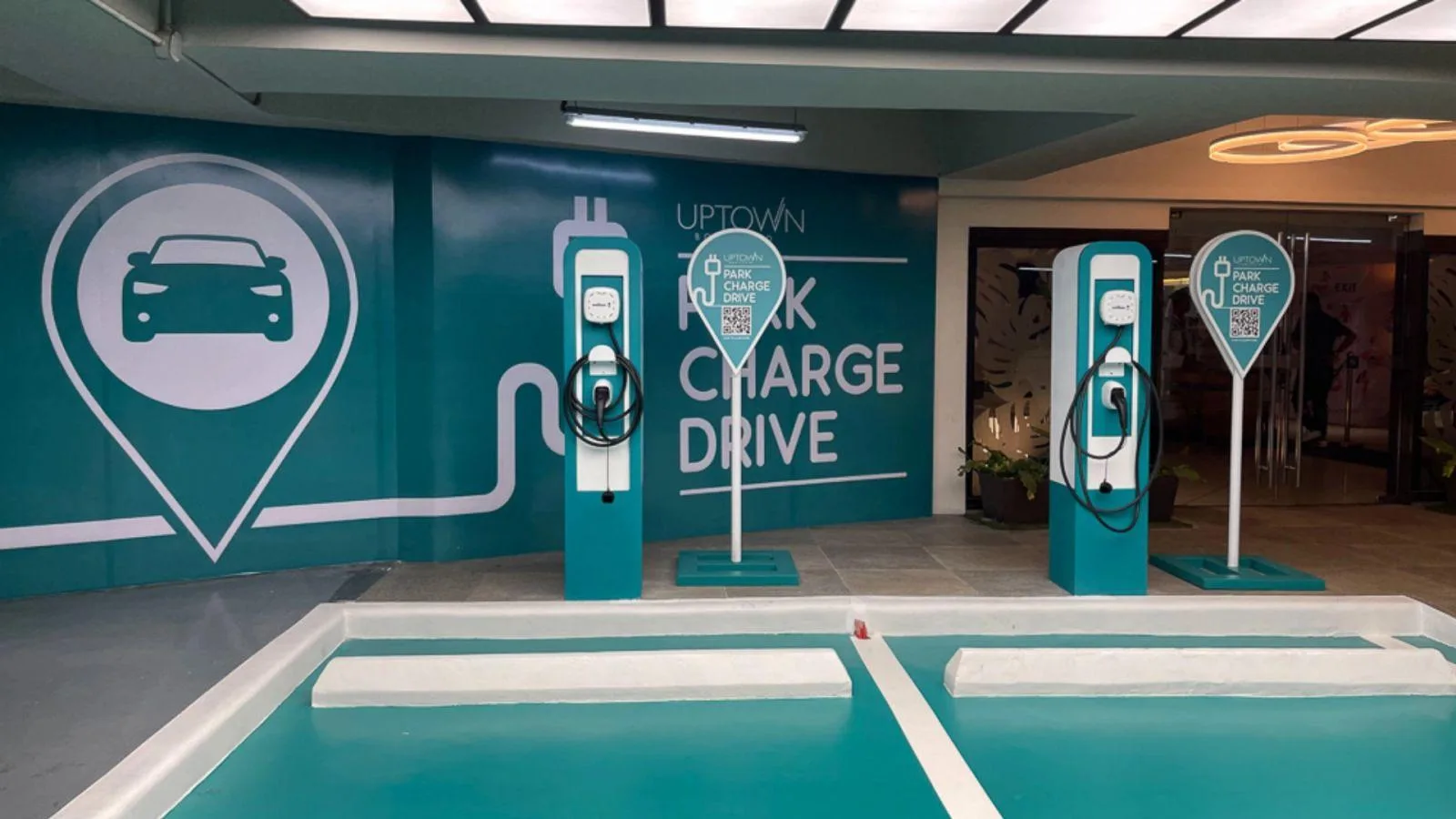
Bonifacio Global City (BGC) has become a model for modern urban development by integrating innovative transportation solutions into its city planning. As one of Metro Manila's premier business and lifestyle districts, BGC continues to expand its smart mobility initiatives to improve accessibility, reduce traffic congestion, and promote environmentally responsible transportation. These initiatives include pedestrian-friendly streets, dedicated bicycle lanes, organized public transport systems, electric vehicle charging stations, and technology-driven traffic management. By prioritizing efficient and sustainable mobility, BGC enhances the daily experiences of residents, workers, and visitors while supporting long-term urban development.
Promoting Sustainable Transportation
Smart mobility encourages the use of transportation systems that are efficient, environmentally friendly, and accessible to everyone. In Bonifacio Global City, well-designed sidewalks, protected bicycle lanes, and organized transport services encourage people to choose walking, cycling, or public transportation instead of relying solely on private vehicles. These alternatives help reduce fuel consumption, lower greenhouse gas emissions, and minimize traffic congestion. By promoting sustainable transportation options, BGC demonstrates how cities can improve mobility while protecting the environment.
Enhancing Accessibility and Convenience
One of the primary goals of smart mobility is to make travel easier and more convenient. Bonifacio Global City's integrated transportation network allows residents and visitors to move efficiently between offices, shopping centers, parks, restaurants, hotels, and residential communities. Smart traffic management systems, clearly marked pedestrian crossings, and accessible public transport facilities contribute to safer and more comfortable travel. These improvements increase the overall efficiency of urban transportation while encouraging greater use of public spaces.
Supporting Environmental Sustainability
The expansion of smart mobility initiatives contributes significantly to environmental sustainability. Encouraging walking, cycling, and low-emission transportation reduces air pollution, conserves energy, and supports cleaner urban environments. The integration of green infrastructure with transportation planning also promotes healthier public spaces by improving air quality and reducing the environmental impacts associated with heavy traffic. These initiatives align with global efforts to create sustainable, climate-resilient cities.