The academic framework of southern education underwent a major restructuring as the University of the Philippines (UP) officially opened applications for its first-ever Doctor of Medicine program in Mindanao. Approved by the UP Board of Regents during their 1408th session, the newly minted School of Medicine (SoMed) is designed to operate directly from the UP Mindanao campus in Davao City. Aspiring medical students have been given until the end of May to submit their paperwork for the inaugural class. This localized medical program marks a significant institutional effort to fix the severe shortage of medical professionals across the southern islands, where doctor-to-population ratios remain some of the lowest in the country.
Targeting the Deep Health Inequalities of Isolated Towns
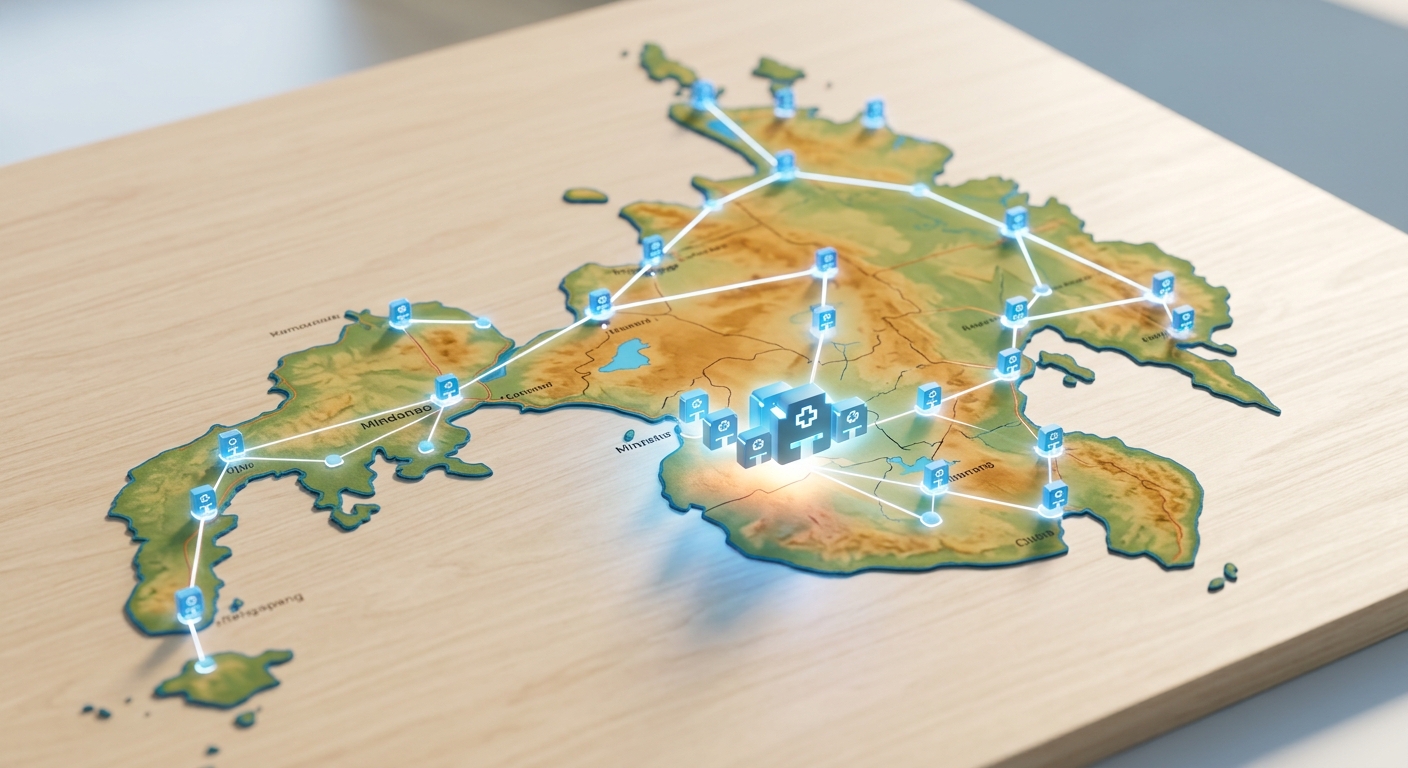
The creation of the new medical school stems from a stark reality: the Davao Region currently operates with a meager 3.1 doctors for every 10,000 citizens, while neighboring regions like Caraga drop even lower to 2.2. UP Mindanao administrators designed the five-year curriculum to produce physician leaders who are contractually and morally bound to serve geographically isolated and disadvantaged communities. By focusing recruitment on students native to the south, the university ensures that future physicians possess a deep understanding of local languages and cultural traditions. This targeted training helps bridge the massive gap in healthcare equity between wealthy urban capitals and remote mountain settlements.
A Rigorous Academic Design Built Around Social Duty
The curriculum moves far away from traditional, purely hospital-bound medical training by embedding students directly into public health networks. Future doctors will study epidemiology, public policy, and community-led problem-solving right alongside standard surgical and diagnostic sciences. This dual focus ensures that graduates look beyond private practice, viewing their medical degrees as tools for broader social transformation. Faculty boards emphasize that the program aims to cultivate empathy just as much as technical clinical skills. It represents a fresh, community-centered philosophy for higher education in the Philippines.
Retaining Indigenous Talent Within the Local Hospital Network
For decades, brilliant pre-med students from Davao had to migrate to Manila or overseas to secure top-tier medical degrees, with many choosing never to return to their hometowns. Establishing a premier national medical school right in the heart of Mindanao ensures that local families can educate their children without facing immense relocation costs. Local health departments are already designing specialized residency pathways to absorb these future graduates directly into public provincial hospitals upon graduation. This long-term retention plan is being hailed by regional boards as the most sustainable way to secure the southern healthcare frontier.