Bohol may be famous for its Chocolate Hills, but its real 2026 legacy is being forged in its "Blue Economy." This weekend, from April 17 to 19, the province is celebrating a major milestone in sustainable food production with the report of tens of thousands of carp fingerlings released into key reservoirs. Combined with the recent global recognition of artisanal Boholano "Asin Tibuok" salt as an "intangible cultural property," the island is positioning itself as a world-class destination for sustainable gastronomy and food security.
Stocking the Dams for Future Food Sovereignty
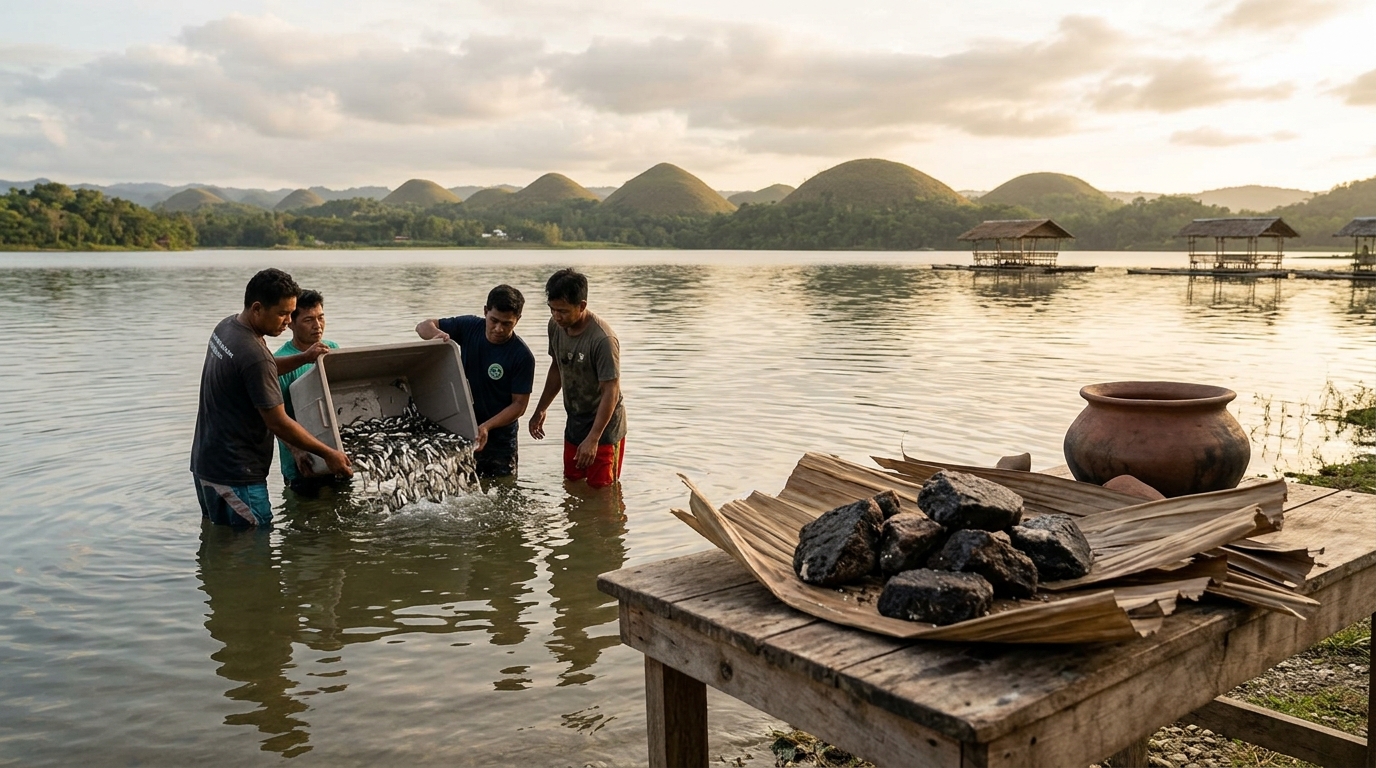
The Bureau of Fisheries and Aquatic Resources (BFAR), in collaboration with the National Irrigation Administration (NIA), reported the successful release of 52,000 common carp fingerlings into two of Bohol’s largest dams on April 17, 2026. Approximately 24,000 fingerlings were dispersed in the Benliw Dam in Ubay, while 26,000 were introduced to the Bayongan Dam in San Miguel, strategically chosen to maximize inland fish stocks. This initiative is a cornerstone of the 2026 Food Systems Transformation agenda, aiming to provide a resilient livelihood for local communities. It also ensures a steady, sustainable supply of freshwater fish for the province's thriving restaurant and "floating restaurant" sector.
Protecting the Heirloom Soul of Boholano Cuisine
This push for sustainable food sources coincides with the rising international profile of Bohol’s artisanal culinary products, most notably the "Asin Tibuok" or "broken salt." Recently framed as an "intangible cultural property," this smoky, labor-intensive salt is becoming a staple in high-end international kitchens, driving a new wave of "heritage tourism" to the island. By protecting these heirloom flavors while simultaneously stocking its dams with sustainable proteins, Bohol is creating a unique gastronomic identity that appeals to eco-conscious travelers. These initiatives allow the province to frame the culinary arts as a bridge between its geological history and modern national identity.
A Blueprint for Global Gastronomy Tourism
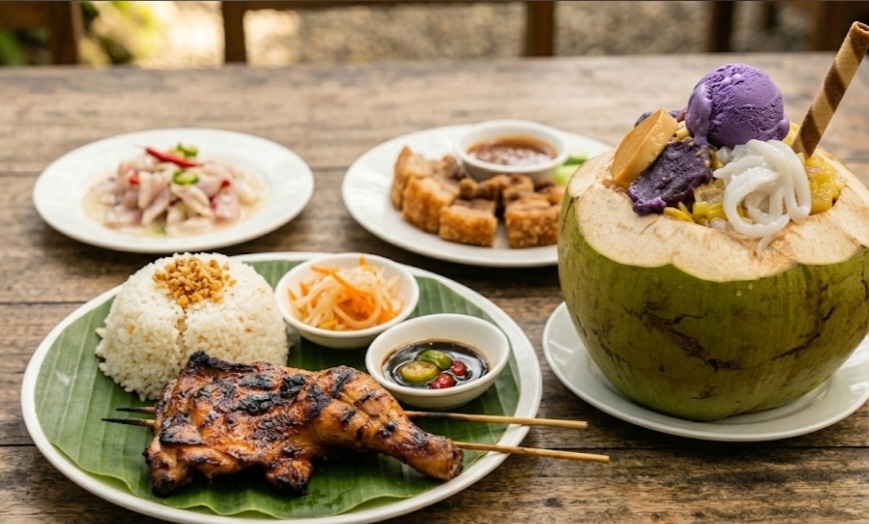
The timing of these sustainable milestones is critical as the Philippines prepares to host the UN World Forum on Gastronomy Tourism later this year. Government officials noted that these projects demonstrate Bohol's commitment to the UN Sustainable Development Goals, balancing the needs of its 1.4 million annual tourists with environmental preservation. As visitors flock to the island this Easter Sunday to sample traditional Filipino Easter foods and heritage recipes, the integration of modern aquaculture and traditional salt-making ensures a vibrant future. This holistic approach to the "Blue Economy" ensures that Bohol remains a premier, value-driven destination for global food enthusiasts.